
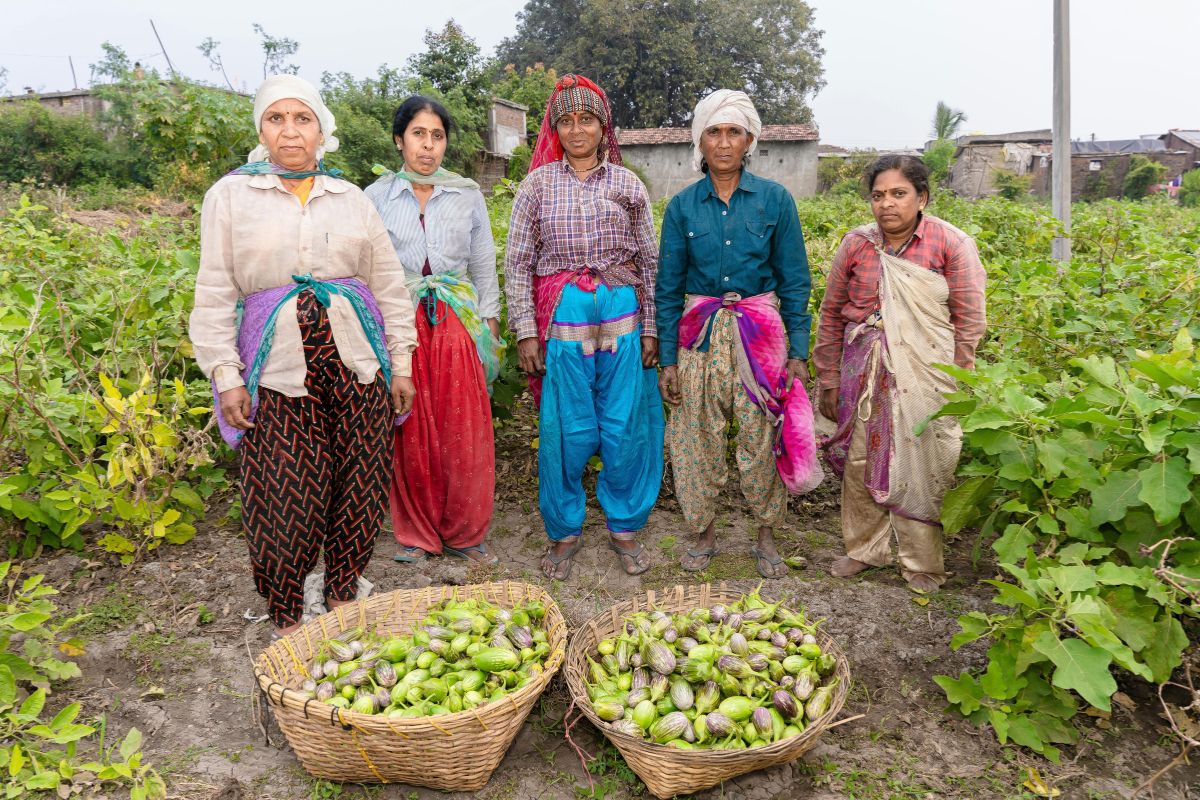
From Farm to Future: Advancing Food Safety and Quality through Community-Based Value Chains
Introduction
In a world where consumers are increasingly conscious about what lands on their plates, the intersection of food safety, quality assurance, and community empowerment stands as the backbone of a more resilient food system. Global demand for traceable, hygienic, and ethically sourced food products is rising. Yet, rural farmers and small food processors are often excluded from these premium markets due to inadequate infrastructure, lack of certification awareness, or poor-quality control practices. Drawing from practical experience in both the food industry and technical education, this article explores how community-based value chains supported by quality standards, localized education, and participatory auditing can transform traditional agriculture into a competitive, safe, and sustainable enterprise.
Understanding the Challenge
Despite having fertile lands and hardworking producers, many rural areas in countries like Pakistan face persistent barriers in meeting international food safety requirements. Working firsthand as a Lab Analyst at Unilever and later as a Food Safety Inspector and academic instructor, one of the recurring challenges observed is the lack of technical knowledge at the grassroots level. From improper handling of raw materials to non-compliance with basic Good Manufacturing Practices (GMP), food quality is compromised long before it reaches the consumer.
Contamination risks often stem from poor storage, the absence of temperature control systems, and reliance on outdated processing methods. These issues aren't just technical; they are structural and educational. The way forward requires more than inspection; it requires empowerment.
Bridging the Gap with Technical Education and Awareness
The role of vocational institutions in bridging the knowledge gap is profound. Having served as a Visiting Junior Instructor at Government College of Technology, Sahiwal, it became evident that when introduced early to food hygiene, ISO 22000 principles, and HACCP frameworks, young minds show a strong capability to internalize and apply these standards. This highlights the importance of curriculum modernization. By integrating practical modules into Food Processing and Preservation Technology programs, we can prepare a generation of food handlers, supervisors, and entrepreneurs who inherently value safety and quality.
Further, partnerships with local industries and NGOs can provide students with hands-on experience and access to micro-certification programs, such as internal auditing or Six Sigma, directly contributing to safer food handling practices.
Reinforcing Standards at the Micro Level
When quality assurance becomes a community-wide effort, the results are far-reaching. Programs promoting community-based audits and certifications tailored to the capacity of small producers offer a more inclusive pathway. These are not meant to replace ISO or HACCP systems but serve as an on-ramp for communities that cannot afford third-party certifications.
By training local youth as peer auditors and offering basic traceability tools like batch logs and QR-coded labeling, even the smallest producer can gain credibility in regional markets. During a food safety inspection role at Iris Hotel, this localized approach revealed that even basic monitoring of hygiene checklists drastically improved guest satisfaction and reduced non-compliance events.
Empowering Women and Youth in Food Quality Chains
Women and youth who engage in post-harvest handling, food preservation, and traditional culinary processing are a critical yet often overlooked segment of the rural value chain. When empowered through training and micro-finance, these groups contribute not only to food availability but also to enhanced food safety. Teaching them standard operating procedures (SOPs), simple packaging techniques, and labeling compliance can significantly increase their products' market value.
Encouraging these demographics to join farm-to-table initiatives, such as local cooperatives or branding projects, turns food quality into a community mission rather than an individual struggle. Their inclusion also aligns with Sustainable Development Goals (SDGs 2: Zero Hunger and 8: Decent Work and Economic Growth).
Towards a Circular and Transparent Food Economy
A transparent food system, underpinned by traceability and consumer trust, requires more than certification; it needs storytelling. When marketed with traceable QR codes and backed by local narratives, community-branded food can command better prices and loyalty. Platforms like LinkedIn and YouTube are increasingly becoming vehicles to promote such transparency.
In previous advocacy projects, including articles and awareness videos shared on professional networks, community members expressed pride in knowing their food's journey. By involving consumers in the lifecycle of food from soil to shelf, we can create an emotional and ethical connection that transcends price alone.
Concluding remarks - Food for thought
The future of food safety and quality lies not in top-down enforcement but in grassroots participation. As someone who has worked at the intersection of food technology, lab analysis, and vocational instruction, I know that lasting change begins with education, certification, and localized accountability. Practical experience as a Lab Analyst at Unilever Pakistan Foods Limited strengthened the ability to identify gaps in quality control systems and reinforced the importance
of ISO-certified practices in large-scale production. This was further complemented by ISO certifications in Internal Auditing, Six Sigma, and GMP, which helped apply structured, measurable improvements even in resource-constrained environments.
Working as a visiting instructor also allowed me to train students in food safety concepts that aligned with international standards. These students often represent the next generation of quality inspectors, production managers, and food entrepreneurs. Their learning curve is shaped not just by theory, but by role models who bring field-based evidence into the classroom.
When this blend of technical expertise, community focus, and certified quality systems is introduced across the agri-food value chain, the results are safer food and stronger rural economies. This is the pathway toward a food-secure future where every stakeholder, from farmer to consumer, becomes a champion of quality.
Moreover, integrating digital literacy and modern traceability tools, such as QR coding, batch tracking, and basic data logging, can be easily taught through structured training sessions. With a background in student counseling and youth activism, there is a strong belief in empowering individuals not just with technical knowledge but with the confidence to innovate. These human
Centered efforts contribute to building a resilient, inclusive, and safety-focused food ecosystem for all.
References:
1. FAO. (2020). Food Safety and Quality Standards in Developing Countries. 2. ISO. (2022). ISO 22000: Food Safety Management Systems.
3. UNDP. (2023). Empowering Rural Youth through Vocational Training. 4. WHO. (2019). Five Keys to Safer Food Manual.
5. World Bank. (2022). Agri-Food Value Chains in South Asia: Trends and Challenges.
Further reading
How blockchain and training enhance transparency, safety, and trust in supply chain
Unlocking Africa’s Potential: Overcoming Challenges in Exporting Dried Cassava Chips to China
Redefining Food Production: Exploring Alternative Agriculture for Sustainable Farming
Food Safety and Quality Control from Farm to Table
Foodborne illnesses: Causes, Common Sources and Symptoms