Overcoming Challenges in Animal Feed Formulation: Innovations for Sustainable Nutrition
Co-author: Ishaya Gadzama
Introduction
Livestock production plays a crucial role in global food security, yet its sustainability is challenged by rising feed costs, environmental concerns, and the need for optimal animal nutrition (Alhotan, 2021; Pope et al., 2023). Feed formulation is a critical aspect of animal production, accounting for 60–80% of total operational costs while directly influencing animal health, productivity, and environmental impact (Lapierre, 2005; Garcia-Launay et al., 2018). Traditional approaches rely on least-cost linear programming to balance nutritional requirements with economic efficiency (Castrodeza et al., 2005). However, modern feed formulation must also address ingredient variability, environmental sustainability, and emerging technologies such as precision feeding and machine learning (Pomar et al., 2009; Akintan et al., 2025).
Feed quality is determined by multiple factors, including nutritional composition (proteins, minerals, digestibility), ingredient sourcing, processing methods, and safety considerations (Traistaru et al., 2012; Riyanto et al., 2025). Proximate analysis remains fundamental for assessing crude protein, fiber, and fat content, while advanced techniques like near-infrared spectroscopy (NIRS) enhance rapid nutrient profiling (Foskolos et al., 2015; Rahman et al., 2015). Additionally, anti-nutritional factors and contaminants, such as mycotoxins, pose risks to animal health, necessitating rigorous quality control (Zhang et al., 2025; Sokolovic, 2011). Environmental concerns further drive the adoption of sustainable practices, including alternative protein sources (e.g., insect meal) and enzyme supplementation to reduce nutrient waste (Bundgaard et al., 2014; Gasco et al., 2024; Gadzama et al., 2025).
Despite technological advancements, challenges persist, including fluctuating ingredient prices, nutrient variability, and the need for species-specific formulations (Babinszky & Halas, 2009; Alhotan, 2021). This mini-review aims to evaluate innovative feed formulation strategies that could optimize cost, nutrient utilization, and sustainability while addressing current gaps in precision livestock feeding.
Nutritional Composition: The Foundation of Feed Quality
The nutritional value of feed is primarily determined through proximate analysis, which measures dry matter, crude protein, fat, fiber, and nitrogen-free extracts (Traistaru et al., 2012; Riyanto et al., 2025). Additionally, mineral content, including calcium, phosphorus, and trace elements, must be balanced to prevent deficiencies or toxicities (Traistaru et al., 2012). Digestibility is a crucial yet often overlooked factor that determines how efficiently animals absorb nutrients. Advanced techniques such as in vitro testing and in situ degradability studies help assess this parameter (Foskolos et al., 2015; Rahmawati et al., 2022). For example, near-infrared spectroscopy (NIRS) enables rapid prediction of nutrient digestibility, which could improve formulation accuracy (Foskolos et al., 2015).
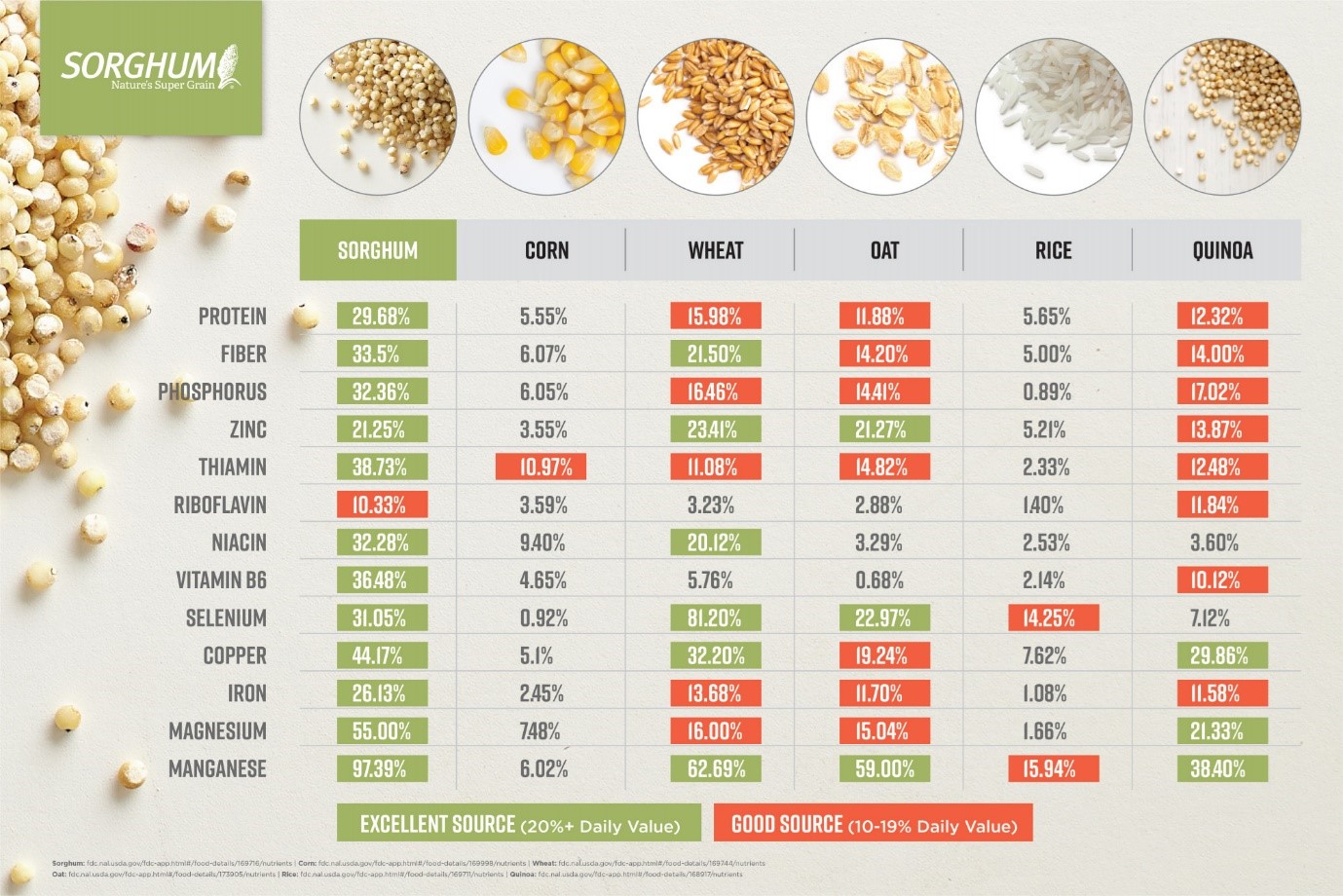
Source: Nutrition — Sorghum Checkoff
Ingredient Quality and Variability: Challenges and Solutions
Feed ingredients exhibit natural variability in nutrient composition due to differences in sourcing, processing, and storage (Csikai, 2011). This variability can lead to inconsistent feed quality, affecting animal performance. To mitigate this, nutritionists use statistical models that account for standard deviations in nutrient content (Babinszky & Halas, 2009). Using local feed ingredients is gaining traction as a sustainable alternative, reducing reliance on imported materials while supporting circular agriculture (Rahmawati et al., 2022). However, their adoption requires rigorous quality assessment to ensure consistency.
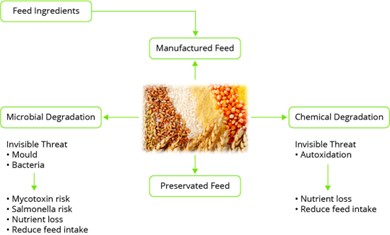
Source: Management Strategies That Can Secure Feed Quality
Feed Form and Processing: Impact on Nutrient Utilization
The physical form of feed, whether pelleted, mashed, or extruded, can significantly influence animal nutrient absorption. Pelleted feeds, for example, can enhance feed digestibility and reduce ruminant waste (Raju et al., 2021; Riyanto et al., 2025). Processing methods such as extrusion, fermentation, and micronization, also known as micro-grinding (that is, particle size reduction to a size less than 10 microns (0.01 mm)), could break down anti-nutritional factors (e.g., non-starch polysaccharides) and improve protein availability (Hsiao et al., 2022; Vlasov et al., 2024). More so, solid-state fermentation with probiotics has shown promise in enhancing feed value while reducing harmful microbial loads (Hsiao et al., 2022).
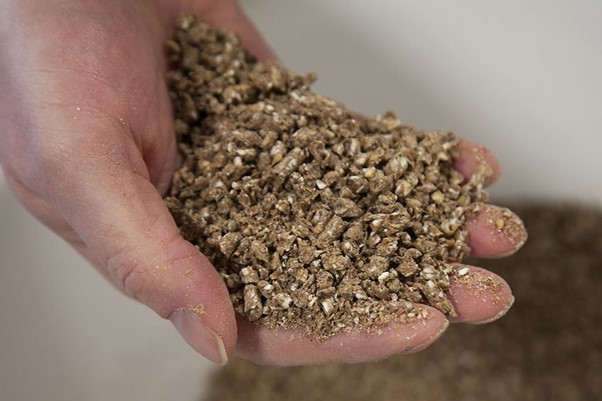
Source: Management Strategies That Can Secure Feed Quality
Safety and Anti-Nutritional Factors
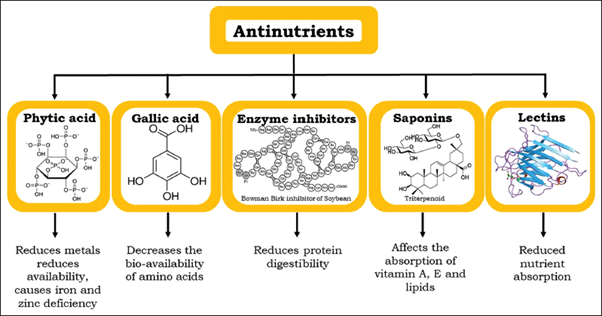
Feed safety is of paramount importance in feed formulation; contaminants such as mycotoxins and pathogenic bacteria (Salmonella, E. coli) can pose serious health risks (Sokolovic, 2011; Zhang et al., 2025). Regulatory frameworks, such as Good Manufacturing Practices (GMP) and Hazard Analysis Critical Control Points (HACCP), help mitigate these risks (den Hartog, 2003). Genetically modified (GM) feeds undergo stringent safety evaluations, but concerns persist regarding long-term effects (EFSA, 2008). Additionally, anti-nutritional factors (e.g., phytates and tannins) can impair the digestion of feeds, thereby necessitating enzymatic or thermal treatments to neutralize them (Rahman et al., 2015).
Economic and Environmental Considerations
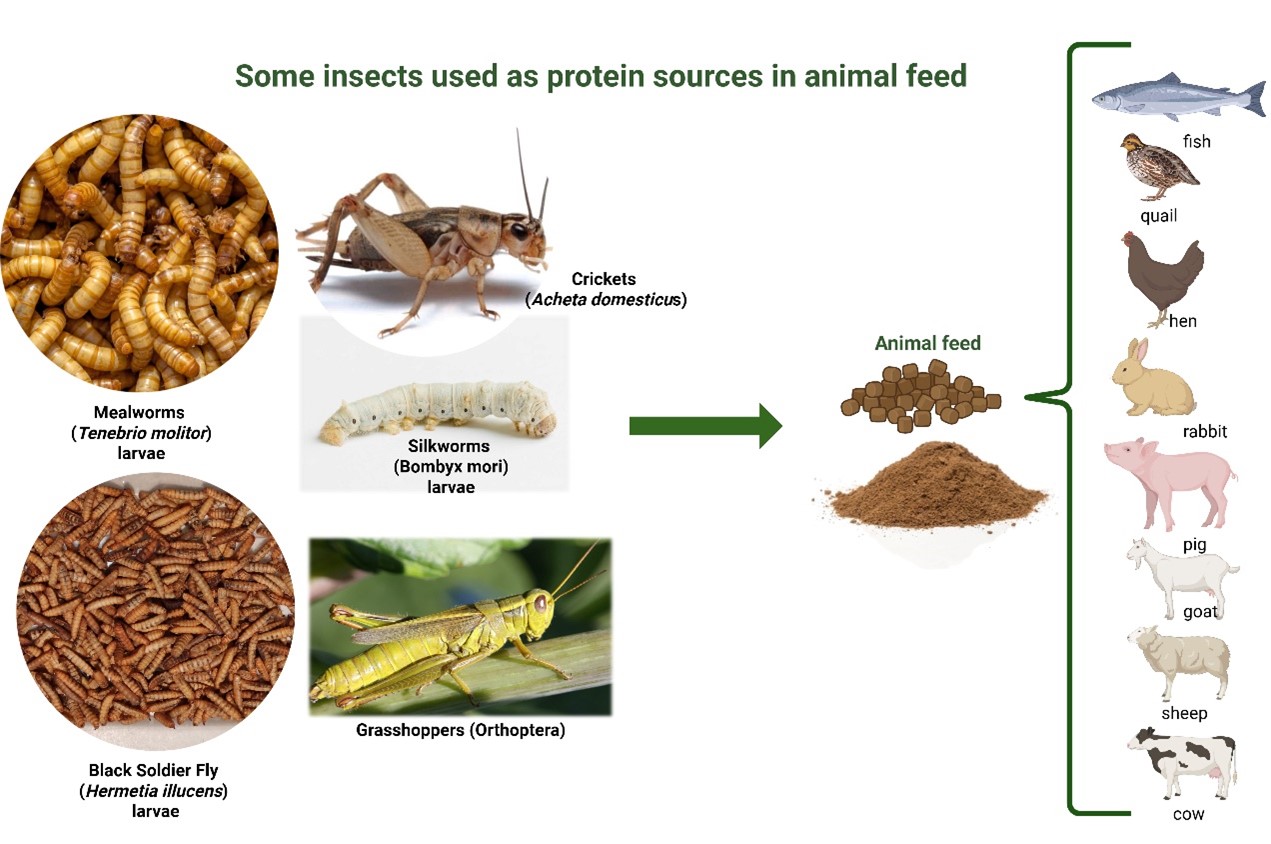
As mentioned in the introductory section, feed costs constitute 60–80% of livestock production expenses; therefore, there is a need to optimize feed formulation and production costs (Garcia-Launay et al., 2018; Alhotan, 2021). Least-cost formulation models balance nutritional adequacy with affordability, but newer multiobjective optimization approaches also incorporate environmental impacts (Castrodeza et al., 2005; Akintan et al., 2024). Sustainability is another critical factor in feed formulation. Feed production contributes significantly to greenhouse gas (GHG) emissions and land use. Strategies such as precision feeding (Pomar et al., 2009; Gadzama & Ray, 2024) and alternative proteins (e.g., insect meal) (Gadzama et al., 2023; Gasco et al., 2024; Gadzama, 2025) are emerging as solutions to reduce ecological footprints.
Technological Advancements: The Future of Feed Formulation
Modern feed formulation leverages machine learning, big data analytics, and IoT-enabled precision feeding to enhance accuracy (Akintan et al., 2025). For example, Bayesian optimization helps design cost-effective diets while minimizing environmental impact (Uribe-Guerra et al., 2024). Additionally, rapid analytical tools like NIRS and Raman spectroscopy enable real-time nutrient profiling and improve quality control (Rahman et al., 2015; Modroño et al., 2017).
Conclusion
Effective animal feed formulation necessitates a comprehensive assessment of multiple interrelated parameters to ensure nutritional adequacy, safety, and economic viability. Critical factors include detailed nutritional composition analysis (proximate analysis, minerals, digestibility), careful evaluation of ingredient quality and inherent variability, consideration of feed physical form and processing methods impacting nutrient availability, and rigorous safety assessments to manage contaminants, toxins, and anti-nutritional factors. These elements are fundamental to producing feeds that meet the specific physiological needs of diverse animal species.
Furthermore, feed formulation faces significant challenges requiring integrated strategies. Economic pressures, driven by fluctuating ingredient costs and availability, demand optimization techniques like least-cost formulation and precision feeding to balance expenses with nutritional goals. Simultaneously, environmental sustainability considerations, including reducing nutrient excretion and greenhouse gas emissions, are increasingly vital, prompting the exploration of alternative ingredients and efficient formulations. Technological advancements, such as Near-Infrared Spectroscopy (NIRS) and data analytics, enhance precision in assessing ingredients and formulating diets, supporting overall feed quality control within regulatory frameworks to safeguard animal health and productivity.
References
Akintan, O., Gebremedhin, K. G., & Uyeh, D. D. (2024). Animal feed formulation—Connecting technologies to build a resilient and sustainable system. Animals, 14(10), 1497. Animal Feed Formulation—Connecting Technologies to Build a Resilient and Sustainable System — Animals
Akintan, O. A., Gebremedhin, K. G., & Uyeh, D. D. (2025). Linking animal feed formulation to milk quantity, quality, and animal health through data-driven decision-making. Animals, 15(2), 162. Linking Animal Feed Formulation to Milk Quantity, Quality, and Animal Health Through Data-Driven Decision-Making — Animals
Alhotan, R. A. (2021). Commercial poultry feed formulation: current status, challenges, and future expectations. World's Poultry Science Journal, 77(2), 279-299. Commercial poultry feed formulation: current status, challenges, and future expectations — World's Poultry Science Journal
Babinszky, L., & Halas, V. (2009). Innovative swine nutrition: Some present and potential applications of latest scientific findings for safe pork production. Italian Journal of Animal Science, 8(SUPPL. 3), 7-20. Inward: Record Uri
Bundgaard, A. M., Dalgaard, R., Gilbert, C., & Thrane, M. (2014). Assessment of the potential of digestibility-improving enzymes to reduce greenhouse gas emissions from broiler production. Journal of Cleaner Production, 73, 218-226. Assessment of the potential of digestibility-improving enzymes to reduce greenhouse gas emissions from broiler production — Journal of Cleaner Production
Castrodeza, C., Lara, P., & Peña, T. (2005). Multicriteria fractional model for feed formulation: Economic, nutritional and environmental criteria. Agricultural Systems, 86(1), 76-96. Multicriteria fractional model for feed formulation: economic, nutritional and environmental criteria — Agricultural Systems
Csikai, A. (2011). Opportunities of integrating supply chain quality management and product development with formulation systems in compound feed manufacturing. Quality Assurance and Safety of Crops and Foods, 3(2), 82-88. Opportunities of integrating supply chain quality management and product development with formulation systems in compound feed manufacturing — Quality Assurance and Safety of Crops & Foods
den Hartog, J. (2003). Feed for food: HACCP in the animal feed industry. Food Control, 14(2), 95-99. Feed for Food: HACCP in the animal feed industry — Food Control
Foskolos, A., Calsamiglia, S., Chrenková, M., Weisbjerg, M. R., & Albanell, E. (2015). Prediction of rumen degradability parameters of a wide range of forages and non-forages by NIRS. Animal, 9(7), 1163-1171. Prediction of rumen degradability parameters of a wide range of forages and non-forages by NIRS — Animal
Garcia-Launay, F., Dusart, L., Espagnol, S., Laisse-Redoux, S., Gaudré, D., Méda, B., & Wilfart, A. (2018). Multiobjective formulation is an effective method to reduce environmental impacts of livestock feeds. British Journal of Nutrition, 120(11), 1298-1309. Multiobjective formulation is an effective method to reduce environmental impacts of livestock feeds — British Journal of Nutrition
Gadzama, I. U. & Ray, S. (2024). Precision Livestock Farming in Pasture-Based Dairy Systems: Monitoring Grazing Behavior. Wikifarmer. Available online: https://www.researchgate.net/publication/385053381
Gadzama, I.U., Malcolm, J. & Malcolm, C. (2023). Impact of drying methods on nutritional composition and energy efficiency of black soldier fly (Hermetia illucens) larvae as animal feed ingredient. In Proceedings of Recent Advances in Animal Nutrition (RAAN), Gold Coast, Queensland, Australia (July 26 – 28), pp. 29 – 30. https://www.researchgate.net/publication/374544950
Gadzama, I. U., Mugweru, I. M., Makombe, W. S., Madungwe, C., Hina, Q., Omofunmilola, E. O., Panuel, P., Olanrewaju, T. J., & Ray, S. (2025). Improving poultry production with black soldier fly larvae. Acta Scientific Agriculture, 9(1), 60–77. Available online: https://www.researchgate.net/publication/387579596
Gasco, L., Oddon, S. B., Vandenberg, G. W., Veldkamp, T., & Biasato, I. (2024). Factors affecting the decision-making process of using insect-based products in animal feed formulations. Journal of Insects as Food and Feed, 10(10), 1707-1718. Factors affecting the decision-making process of using insect-based products in animal feed formulations — Journal of Insects as Food and Feed
Hsiao, F. S.-H., Artdita, C. A., Lin, S.-Y., Yu, Y.-H., & Cheng, Y.-H. (2022). Mixed solid-state fermentation of Okara and Copra meal by probiotics with non-starch polysaccharide enzymes and its effects on the growth performance and ileal microbiota in broilers. Fermentation, 8(10), 478. Mixed Solid-State Fermentation of Okara and Copra Meal by Probiotics with Non-Starch Polysaccharide Enzymes and Its Effects on the Growth Performance and Ileal Microbiota in Broilers — Fermentation
Lapierre, O. (2005). Agribusiness forces and feed formulation strategy [Système des acteurs et stratégie de formulation]. OCL - Oleagineux Corps Gras Lipides, 12(3), 217-223. Système des acteurs et stratégie de formulation — Oléagineux, Corps gras, Lipides
Modroño, S., Soldado, A., Martínez-Fernández, A., & de la Roza-Delgado, B. (2017). Handheld NIRS sensors for routine compound feed quality control: Real time analysis and field monitoring. Talanta, 162, 597-603. Handheld NIRS sensors for routine compound feed quality control: Real time analysis and field monitoring — Talanta
Pomar, C., Hauschild, L., Zhang, G.-H., Pomar, J., & Lovatto, P. A. (2009). Applying precision feeding techniques in growing-finishing pig operations [Técnicas de alimentação de precisão em operações de suínos em crescimento-terminação]. Revista Brasileira de Zootecnia, 38(SUPPL. 1), 226-237. Applying precision feeding techniques in growing-finishing pig operations — Revista Brasileira de Zootecnia
Pope, M., Denny, G., Hernandez, J.-M., Costigan, T., Venter, K., Plumstead, P. W., Angel, C. R., & Korver, D. R. (2023). Informal Nutrition Symposium 2023: challenges in supply chain and ingredient quality. Journal of Applied Poultry Research, 32(4), 100369. Informal Nutrition Symposium 2023: challenges in supply chain and ingredient quality — Journal of Applied Poultry Research
Rahmawati, N., Lisnanti, E., Rudiono, D., Mukmin, A., Muladno, M., & Atabany, A. (2022). Comparative study several feed formulation based on agro-industrial by-product on production performance and in vivo digestibility of beef cattle. In IOP Conference Series: Earth and Environmental Science, 977 (1): 012125. IOP Publishing.
Rahman, A., Bayram, I., Khanum, S., & Ullah, S. (2015). Use and calibration of near infrared reflectance spectroscopy in feed analysis: A mini review. Pakistan Journal of Life and Social Sciences, 13(1), 1-7. Inward: Record Uri
Raju, J., Narasimha, J., Kumari, N. N., Raghunanadan, T., Preetam, V. C., Kumar, A. A., & Reddy, P. R. K. (2021). Feeding value of sorghum stover fed to tropical hair sheep as complete rations in chop, mash, pellet, and block forms. Veterinary World, 14(8), 2273-2281. Feeding value of sorghum stover fed to tropical hair sheep as complete rations in chop, mash, pellet, and block forms — Veterinary World
Riyanto, J., Pramono, A., Widyawati, S. D., Sudibya, S., Cahyadi, M., Yuliana, W. N., Apriyanto, A. A., Putri, G. R. J., & Barido, F. H. (2025). Evaluating pellet and mash rumen protected soybean groat on nutrient digestibility, animal performance, carcass characteristics, and meat quality of fat-tailed sheep. Veterinary World, 18(4), 976-985. Evaluating pellet and mash rumen protected soybean groat on nutrient digestibility, animal performance, carcass characteristics, and meat quality of fat-tailed sheep — Veterinary World
EFSA, G. (2008). Safety and nutritional assessment of GM plants and derived food and feed: the role of animal feeding trials. Food and chemical toxicology: an international journal published for the British Industrial Biological Research Association, 46, S2.
Sokolovic, M. (2011). Microbiological safety and quality of animal feeding stuffs. Animal Feed: Types, Nutrition and Safety, 85-106. Inward: Record Uri
Traistaru, E., Moldovan, R. C., Menelaou, A., Kakourou, P., & Novetschi, I. (2012). Statistical evaluation of the determination of NA, K, CA, FE, P in feed and premixes by energy-dispersive X-ray florescence spectrometry. Acta Universitatis Cibiniensis - Series E: Food Technology, 16(2), 21-32. Inward: Record Uri
Uribe-Guerra, G. D., Múnera-Ramírez, D. A., & Arias-Londoño, J. D. (2024). Feed formulation using multiobjective Bayesian optimization. Computers and Electronics in Agriculture, 224, 109173.
Vlasov, E. A., Sizova, E. A., Nechitailo, K. S., Ryazantseva, K. V., Kamirova, A. M., Ivanisheva, A. P., Shoshin, D. E., Musabaeva, L. L., & Mustafina, A. S. (2024). Physical and biological methods to improve feed nutrition value. Sel'skokhozyaistvennaya Biologiya, 59(3), 411-425. ФИЗИЧЕСКИЕ И БИОЛОГИЧЕСКИЕ МЕТОДЫ УЛУЧШЕНИЯ ПИТАТЕЛЬНОСТИ КОРМОВ (обзор) — Sel'skokhozyaistvennaya Biologiya
Zhang, W., Jin, Y., Liu, Y., Tan, R., Liu, G., He, W., Luo, S., Tang, Y., Chen, Q., & Chen, Y. (2025). No toxic effects or interactions between aflatoxin B1 and zearalenone in broiler chickens fed diets at China's regulatory limits. Regulatory Toxicology and Pharmacology, 159, 105799. No toxic effects or interactions between aflatoxin B1 and zearalenone in broiler chickens fed diets at China's regulatory limits — Regulatory Toxicology and Pharmacology