


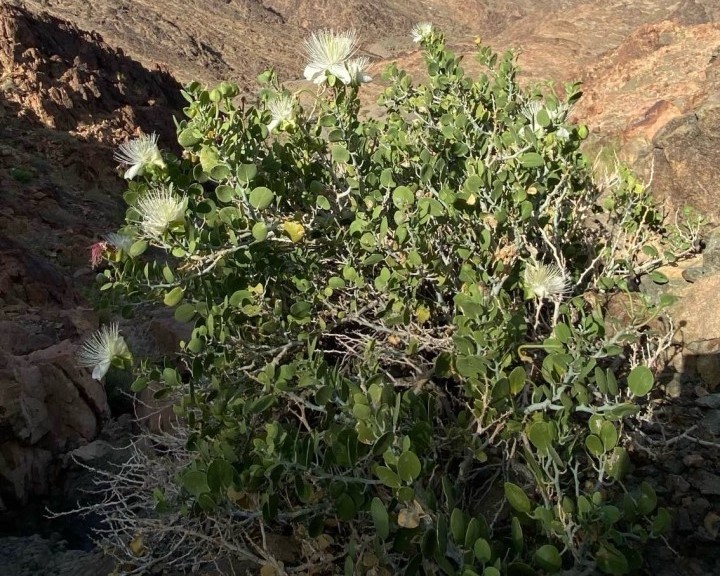
A Harsh Winter and a Forgotten Remedy
In the winter of 2016, I was a passionate Biology student at the University of Al-‘Ula, spending my days between lectures and fieldwork, exploring the terrain of the region I love. One cold night—known for the bitter, dry, and harsh winters typical of Al-‘Ula—I began experiencing a strange tightness in my chest, followed by difficulty breathing and persistent wheezing with every breath. I visited the hospital, where I was diagnosed with acute bronchitis. The physician prescribed antibiotics and bronchodilator inhalers. I adhered strictly to the treatment, yet saw no improvement. Symptoms worsened over more than two weeks: severe chest congestion, thick phlegm, and exhaustion from even minimal activity.
Bedouin Wisdom and Traditional Healing
When modern medicine failed to provide relief, I turned to the one person who carried a treasure trove of wisdom: my mother. Born in 1966, she was raised in the Bedouin lifestyle of northwestern Al-‘Ula—before clinics and pharmacies were accessible—where nature was the pharmacy and healer. For over 50 years, she lived a pastoral life, tending sheep and memorizing the locations and medicinal properties of wild plants through daily experience and acute observation. When I described my symptoms, she smiled confidently and said:
“This chest tightness—we used to treat it with Al-Lasaf.”
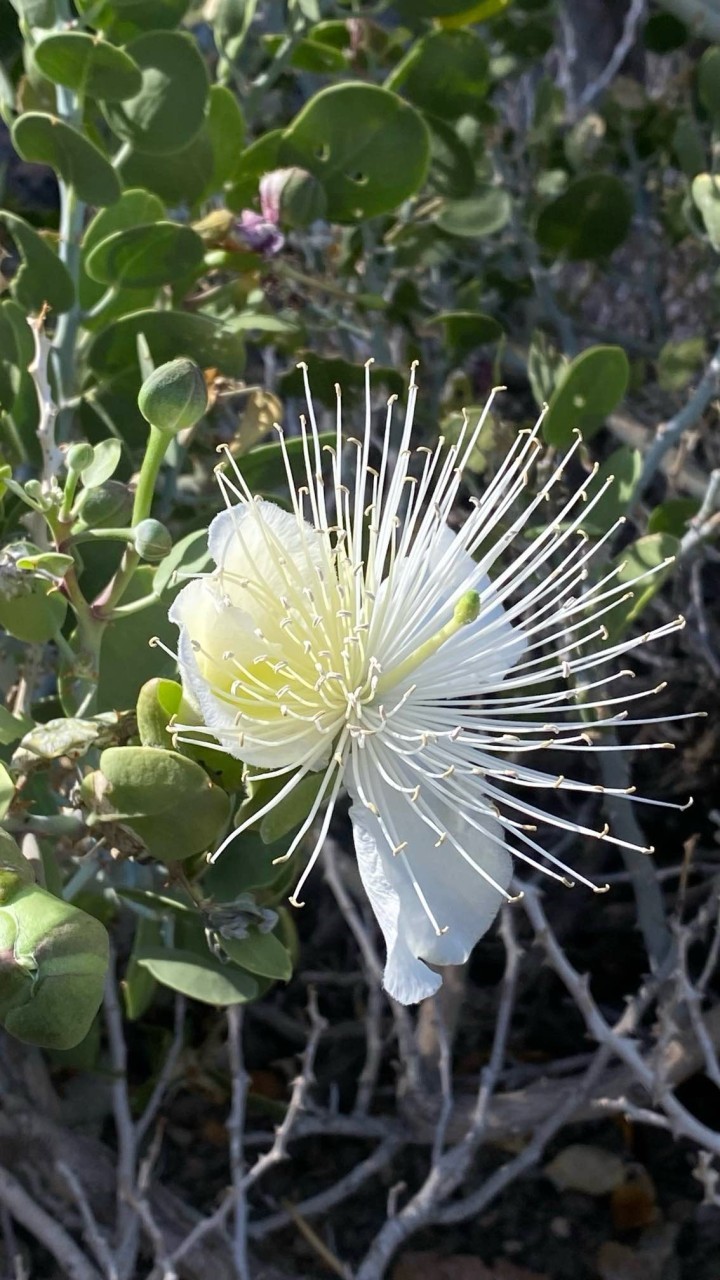
The Medicinal Shrub of Al-‘Ula
Known locally as Al-Lasaf or Al-Kubbar, this is a perennial shrub that grows among rocks. It bears small green fruits resembling miniature zucchini. These fruits are traditionally harvested, dried, and ground into powder for treating respiratory ailments. My mother directed me to a mountainous site she frequented in her youth and said:
“You’ll find it just as it was.”
Despite the cold and rugged terrain, I found the shrub exactly as described: a small, leafy plant with distinctive fruit. I collected some, returned home, and my mother dried and ground it by hand.
Rapid Recovery with Al-Lasaf Powder
On the morning of the second day after taking the powder, I noticed a significant reduction in phlegm, less wheezing, and easier breathing. After just three days of treatment, I felt fully recovered. This remedy was not taught in university—it was learned through my mother’s memory and the Bedouin heritage.
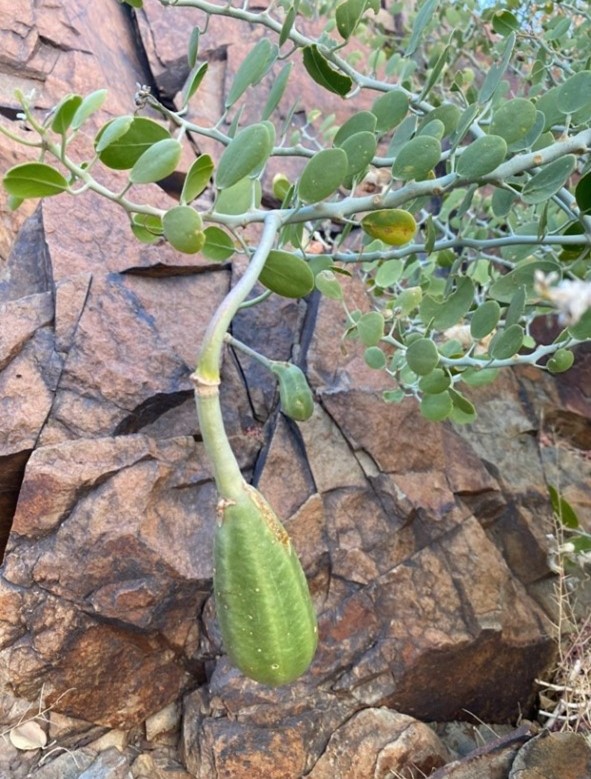
Modern Application of an Ancient Remedy
Since 2021, I have been working as a field ranger in the Nature Department at Sharaan Nature Reserve. During a 2024 field survey, a colleague developed a severe chest allergy triggered by thick dust in the environment. He began coughing and experiencing tightness. I remembered Al-Lasaf and gave him some of the dried fruit powder I always carry in my field kit, explaining how to use it. After two days, he exclaimed with astonishment:
“I feel like I never had symptoms… What kind of medicine is this?”
He was amazed by the plant’s effectiveness and asked to keep some for his family.
Capparis spinosa: Traditional Uses and Scientific Validation
- Local Names: Al-Lasaf / Al-Kubbar
- Scientific Name: Capparis spinosa L.
- Family: Capparaceae
A perennial, shrubby plant native to rocky mountainous areas in northwest Saudi Arabia. It features white to purple flowers and cylindrical green fruits.
Traditional Uses Include:
- Treatment of bronchial inflammation
- Expulsion of phlegm
- Relief of chest tightness
- Bronchodilation
Recent scientific studies have confirmed its anti-inflammatory and antimicrobial properties.
Al-Lasaf’s Role in Biodiversity and Beekeeping
As a traditional beekeeper raising native wild honeybees, I observe that Al-Lasaf is an important nectar-producing plant. Bees collect their nectar to produce natural mountain honey with unique medicinal qualities. This plant and others in our environment support both human health and ecological balance.
Preserving Bedouin Wisdom for Future Healing
My experience with Al-Lasaf was more than just a healing story—it was a journey back to my roots. It highlights the untapped wisdom preserved in Bedouin traditions and the potential hidden in the wild plants of our region. Perhaps the greatest cures lie not only in laboratories but also in the memories of our ancestors and the plants growing silently on rocky mountain slopes.
Further reading
How to Grow Common Sage for Profit - Commercial Common Sage Production
Ginger Cultivation, Health Benefits, and Value-Added Products: A Comprehensive Guide
Unlocking Uganda's spice potential: A path to economic development
A Guide to Growing Cinnamon: From Planting to Harvesting