



Introduction: The untapped spice frontier in East Africa
Spice cultivation represents an emerging agricultural frontier in East Africa with significant potential for economic transformation. In Uganda, approximately 98% of spices used domestically are imported from countries including India, China, Kenya, and Indonesia, resulting in substantial foreign currency outflows. In 2020 alone, Uganda spent approximately 19 million US dollars on spice imports, highlighting a clear opportunity for import substitution through local production.
The global spice market continues to expand, with Uganda already beginning to establish itself in export markets. In 2023, Uganda exported $6.45 million in spices, primarily to Rwanda, Kenya, and Qatar, while importing $3.53 million, mainly from Kenya and India. This trade imbalance demonstrates both the existing demand and the potential for growth in domestic production.
Uganda's climate and soil conditions: Ideal for spice cultivation
Uganda possesses natural advantages for spice cultivation that remain largely untapped. The country enjoys a predominantly tropical climate characterized by two distinct rainy seasons (March to May and September to November) and mild temperatures averaging around 22°C (73°F) throughout the year. This climate pattern creates favorable conditions for growing a wide variety of spices that thrive in warm, humid environments.
While Uganda's soils are diverse and face challenges such as weathering, low nutrient content, and erosion susceptibility, they are generally considered fertile. Some regions feature volcanic soils that are particularly well-suited for agricultural production. The combination of these climate and soil conditions creates an environment where spices such as cardamom, black pepper, cinnamon, and ginger can flourish with proper management practices.
Current state of spice farming in Uganda
Despite the favorable growing conditions, spice farming in Uganda remains underdeveloped. Currently, fewer than 20 Ugandans are engaged in commercial spice cultivation, with less than 8 farmers operating on plots larger than 5 acres. Most farmers engaged in spice cultivation focus primarily on ginger and garlic, with fewer growing turmeric, black pepper, and lemongrass, typically on a small scale for home use rather than commercial production.
Commercial spice farming is gradually gaining momentum in Uganda, with initiatives like the RESSKIM Cross Border Trade Consortium launching efforts to promote commercial spice growing. Research has confirmed that spices can grow successfully in Uganda, offering farmers a potentially more profitable alternative to traditional crops. For instance, farmers can earn significantly more from an acre of cumin (up to four million Ugandan shillings) compared to maize (less than 500,000 Ugandan shillings).
The Uganda fruits and spice growers association
The Uganda Fruits and Spice Growers Association was established to address the gap in domestic spice production and promote spice cultivation throughout the country. Founded by Mukiibi Sowedi Kwamira, a 50-year-old farmer from Butaaka village in Kibibi, Butambala district, the association aims to encourage more Ugandans to engage in spice farming.
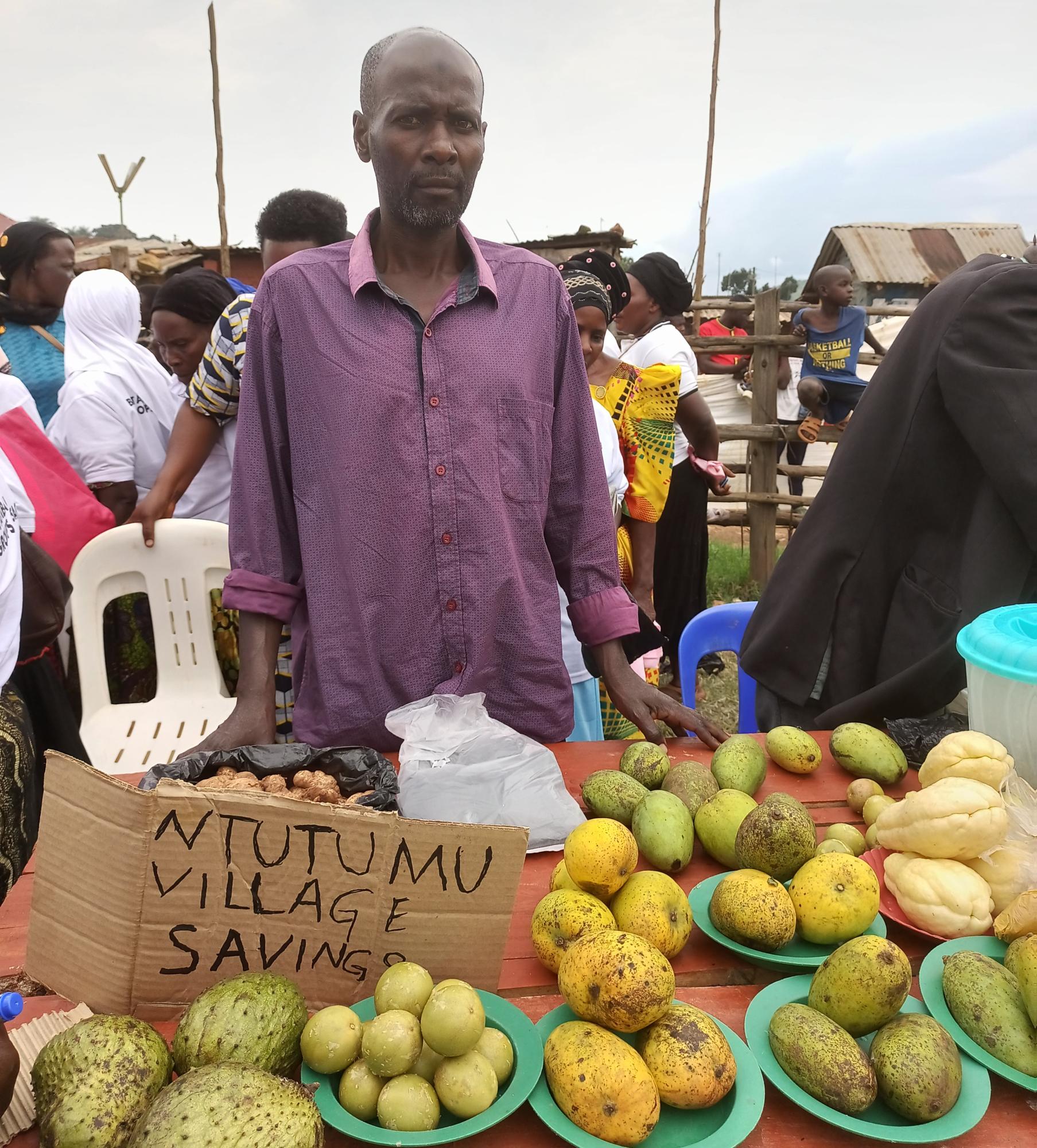
Mr. Kwamira currently cultivates cardamom, cinnamon, rosemary, and black pepper on a small scale, demonstrating the viability of these crops in Uganda's agricultural landscape. His experience serves as a practical example for other farmers interested in diversifying into spice production.
Challenges facing spice growers in Uganda
Spice farmers in Uganda face several significant challenges that hinder the sector's growth:
- Limited access to quality planting materials: One of the primary obstacles is the scarcity of viable seeds and seedlings for propagation. Many seeds available in the Ugandan market fail to germinate properly, creating a barrier to entry for new farmers.
- Knowledge and skill gaps: Many farmers lack specialized knowledge about spice cultivation techniques, proper harvesting methods, and post-harvest handling. This knowledge deficit affects both yield and quality of the final product.
- Limited market access and information: While demand exists, many farmers struggle to connect with buyers and lack information about market requirements and pricing.
- Climate variability: Despite generally favorable conditions, changing climate patterns and increasing variability in rainfall can affect crop yields and quality. Uganda's agricultural sector is particularly vulnerable to climate change impacts as it relies heavily on rain-fed agriculture.
- Limited processing facilities: Inadequate processing infrastructure affects the quality of spices produced and limits value addition opportunities.
Opportunities in Uganda's spice sector
Despite these challenges, Uganda's spice sector offers substantial opportunities for growth and economic development:
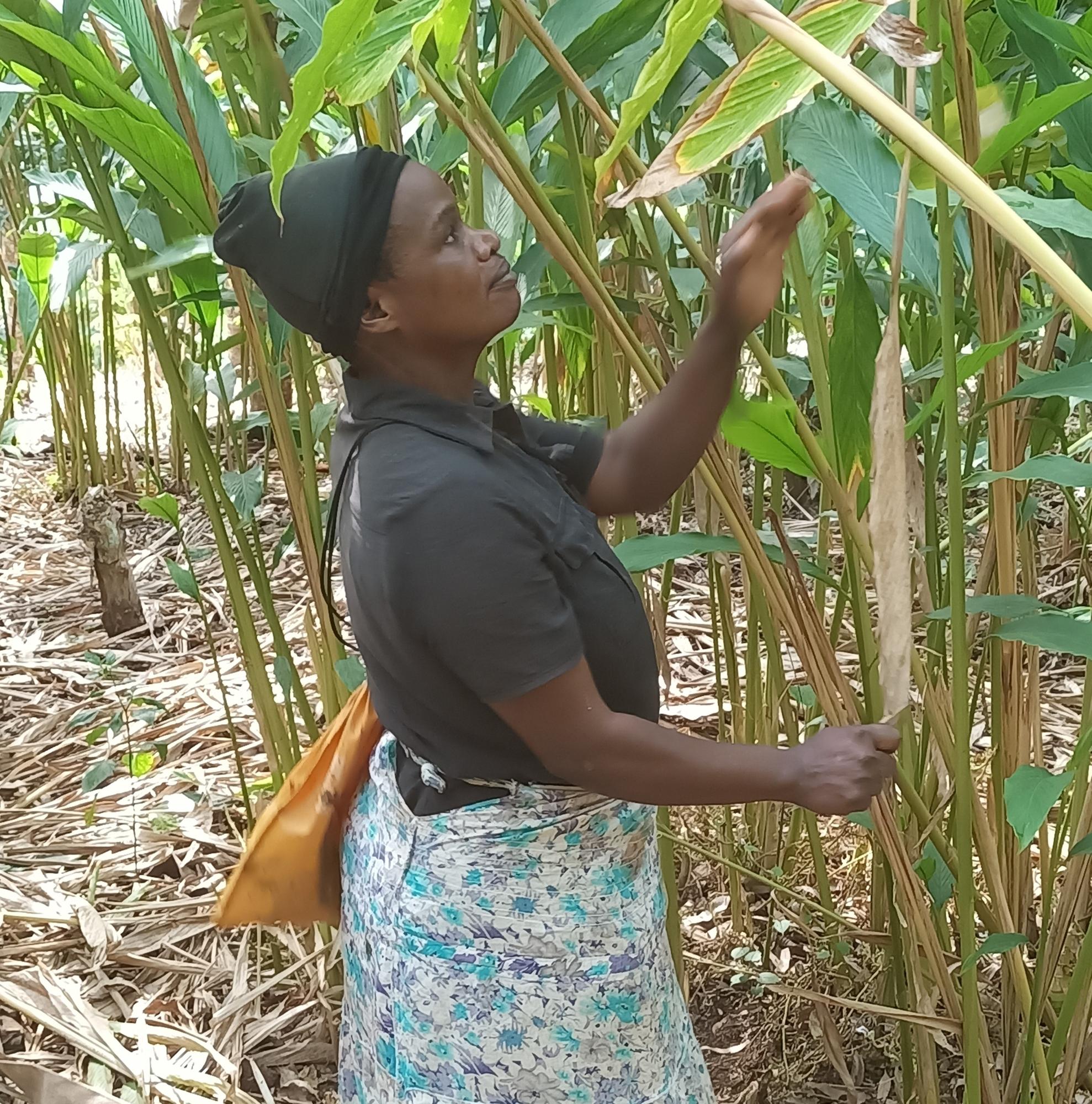
High market value and profitability
Spices command premium prices in both local and international markets. For example:
- Cardamom sells for approximately 70,000 Ugandan shillings (about $20) per kilogram
- Black pepper fetches around 60,000 Ugandan shillings per kilogram
- Garlic sells for approximately 20,000 Ugandan shillings per kilogram
These prices make spice farming significantly more profitable than traditional crops, offering farmers an opportunity to increase their incomes substantially.
Import substitution and export potential
By increasing domestic production, Uganda can reduce its reliance on imported spices and save valuable foreign exchange. Additionally, the country has already begun exporting spices, with exports valued at $6.45 million in 2023, indicating potential for further growth in international markets.
Value-added opportunities
Beyond raw spice production, there are opportunities for value addition through processing, packaging, and product development. Companies like Africa Spices in Kampala have demonstrated the viability of building businesses around spice processing and value addition.
Focus crop: Cardamom cultivation in Uganda
Cardamom, often referred to as the "Queen of Spices" due to its aromatic properties and diverse uses, represents one of the most promising spice crops for Uganda.
Growing conditions and requirements
Cardamom thrives in Uganda's mountainous regions at altitudes between 900 and 1,300 meters, where the climate is warm and humid. The plant requires:
- Heavy rainfall and good shade, making it ideal for cultivation in Uganda's mountain rainforests
- Filtered shade, as it cannot survive in open fields
- A constant temperature of around 22°C, which aligns perfectly with Uganda's average temperatures
- Moist roots at all times
Cultivation techniques
Successful cardamom cultivation in Uganda involves several key practices:
- Planting under shade trees to provide filtered light (40-60% of open area)
- Spacing plants approximately four meters apart
- Preparing pits of appropriate dimensions for planting
- Propagation through seeds, suckers, or tissue culture plantlets
- Regular mulching to maintain soil moisture and suppress weed growth
- Proper fertilization and nutrient management
Economic potential
Cardamom is one of the world's most expensive spices after saffron and vanilla, making it an extremely valuable crop for farmers. In Uganda, farmers can earn approximately 15 million Ugandan shillings from one acre of cardamom. The crop begins producing after 2.5 years and can be harvested three times annually.
Conclusion: The path forward for Uganda's spice sector
Uganda's spice sector represents a significant opportunity for agricultural diversification, import substitution, and export development. With its favorable climate, fertile soils, and growing market demand, the country is well-positioned to become a significant player in the regional and global spice trade.
To realize this potential, concerted efforts are needed from various stakeholders:
- Government support: Policies that promote spice farming, provide access to quality inputs, and facilitate market access are essential.
- Knowledge sharing and capacity building: Training programs for farmers on spice cultivation techniques, pest management, and post-harvest handling.
- Investment in research and development: To develop improved varieties adapted to local conditions and address challenges like seed viability.
- Strengthening farmer organizations: Entities like the Uganda Fruits and Spice Growers Association can play a crucial role in knowledge sharing, collective marketing, and advocacy.
- International collaboration: Partnerships with established spice-producing countries can facilitate knowledge transfer and market access.