Why this conversation matters now
Agriculture and food systems are facing serious challenges from two major forces: climate change and the health and environmental costs of conventional farming methods. In 2023, global emissions from agrifood systems reached 16.5 gigatons of CO₂ equivalent, with crop and livestock emissions accounting for 8.1 gigatons, primarily driven by livestock production. That figure is up 21% since 2001, even as the agrifood share of total emissions fell from 38% to 32%.
Agriculture sits at the centre of both emissions and potential solutions, making it a focal point in discussions about climate mitigation and adaptation as highlighted by the IPCC.
The health perspective
The health implications of agricultural practices cannot be overlooked. Many pesticides are categorised as "inherently hazardous," with a small group of Highly Hazardous Pesticides (HHPs) posing significant risks to both people and ecosystems. International guidelines recommend identifying and mitigating these hazards.
In many farming areas, the risks associated with chemical exposure are compounded by factors like inadequate protective equipment, weak regulatory enforcement, and challenges in safe storage and disposal. Chemical inputs also affect water and food safety. Nitrogen pollution, primarily from agricultural runoff, is a well-documented cause of water quality issues and health risks, including nitrate-related infant methemoglobinemia. The FAO highlights how fertilisers contribute to eutrophication in surface waters, leading to algal blooms.
These challenges underscore the importance of agroecology and its regenerative approaches, which are increasingly recognised as viable, evidence-based solutions.
Understanding agroecology
Agroecology is best viewed as a holistic framework rather than a collection of techniques. According to the High Level Panel of Experts on Food Security and Nutrition, agroecology encompasses science, practices, and a social movement that spans entire food systems, addressing ecological, sociocultural, economic, and political dimensions from production to consumption.
The FAO has formalised this approach through its "10 Elements of Agroecology," which include principles like diversity, efficiency, resilience, and responsible governance. These elements aim to transform farming practices from simple input substitutions to comprehensive redesigns of agricultural systems. The FAO's Scaling Up Agroecology Initiative, launched in 2018, connects farmer practices with supportive policies, research, and market access, emphasising locally-led transitions over one-size-fits-all solutions.
Regenerative agriculture in context
While often treated as a standardised solution, regenerative agriculture is more accurately a farmer-driven movement with practices that vary based on specific contexts. These approaches emphasise improving soil health, biodiversity, and resilience through methods like reduced disturbance and crop rotation.
In this framework, agroecology serves as the overarching system, while regenerative agriculture focuses on soil and ecosystem processes. Although the two concepts overlap, agroecology also emphasises governance, equity, and market dynamics. At the field level, principles such as soil cover, minimal disturbance, and increased plant diversity are often highlighted. These practices have shown real-world benefits, although adoption rates, particularly among smallholder farmers in sub-Saharan Africa, remain low due to various constraints.
Practical regenerative solutions for African farmers
Five actionable principles are tailored here for smallholder farmers in Africa, along with specific practices that can lead to improved outcomes.
Keep the soil covered. Reducing erosion, maintaining moisture, and protecting soil biology are the primary goals. Mulching with crop residues around high-value crops and highly eroded areas maximises impact. Cover crops that double as green manures or livestock forage provide additional benefits beyond soil protection.
Minimise soil disturbance. This protects soil structure and organisms. Instead of turning the entire soil, planting basins or rip lines disturb only the planting area. This preserves soil health and reduces erosion. Weed management through early ground cover with mulch and manual weeding at small-weed stages can control weeds without synthetic herbicides.
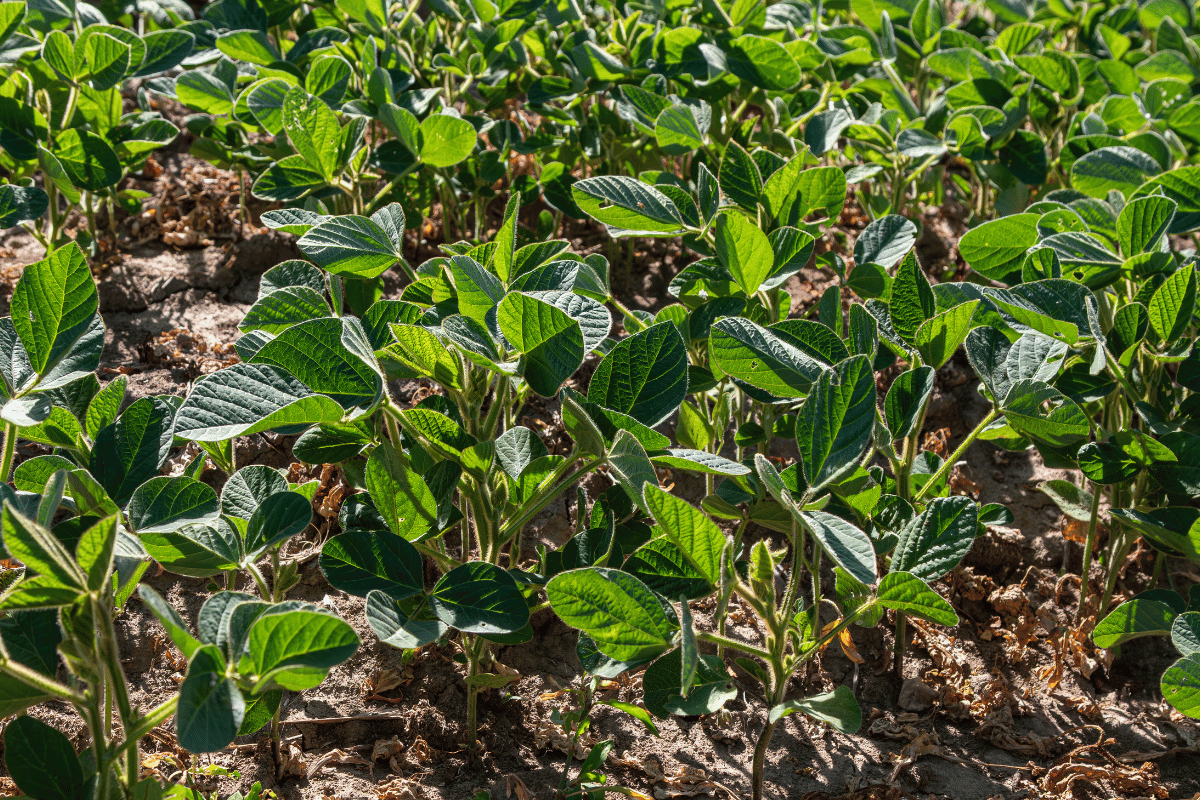
Increase plant diversity. Diversified systems enhance resilience, stabilise yields, and support beneficial insects. Intercropping cereals with legumes improves soil fertility and breaks pest cycles. Push-pull technology, which intercrops cereals with Desmodium (the "push") and borders with trap crops (the "pull"), reduces pest pressure while providing fodder (Khan et al., 2020).
Maintain living roots. Living roots support soil health and microbial activity year-round. Relay cropping, where a fast-growing cover crop is sown under a standing crop, ensures soil is never left bare. Incorporating trees into farming systems improves microclimates, adds biomass, and reduces wind erosion.
Integrate livestock and close nutrient loops. Diluted rabbit urine can serve as a foliar spray to enhance plant growth and manage pests, starting with a 25% dilution (1 part urine to 3 parts water) and adjusting based on plant tolerance (Sharma et al., 2021). Neem seed kernel extract, prepared by mixing 500 g of ground neem seeds in 10 litres of water, straining, and applying in early morning or late afternoon, helps manage pests like aphids and caterpillars as part of a broader integrated approach (Nandwani, 2017).
Progress and future directions
The success of agroecology and regenerative practices is most evident where they intersect with supportive institutions and adoption pathways. While conservation agriculture has expanded significantly, challenges remain, particularly in regions where resources are scarce. In Africa, successful models like Farmer Managed Natural Regeneration (FMNR) demonstrate the potential for large-scale ecological restoration through local knowledge and low-cost management strategies (Reij & Steeds, 2003).
Moving forward, the future of these approaches will depend on several factors. Measurement tools like FAO's TAPE can help assess multidimensional outcomes, enabling better learning and adaptation. While these practices can contribute to climate mitigation, it is crucial to avoid overpromising carbon offsets and ensure that claims are grounded in verified data. A phased approach to reducing hazardous pesticides, coupled with improved integrated pest management, aligns with global health directives.
Agroecology serves as the structural framework, regenerative agriculture focuses on soil and ecosystems, and regenerative organic farming emphasises integrity and ambition. When these elements align with the realities faced by African farmers, a sustainable and resilient agricultural future becomes not just a possibility but a reality already in motion.
References
- FAO. (2018). Scaling Up Agroecology Initiative. Food and Agriculture Organization of the United Nations.
- FAO. (2019). The 10 Elements of Agroecology. Food and Agriculture Organization of the United Nations.
- HLPE. (2019). Agroecological and other innovative approaches for sustainable agriculture and food systems. High Level Panel of Experts on Food Security and Nutrition.