
Agritourism: A sustainable business enhancing organic agriculture.
Introduction
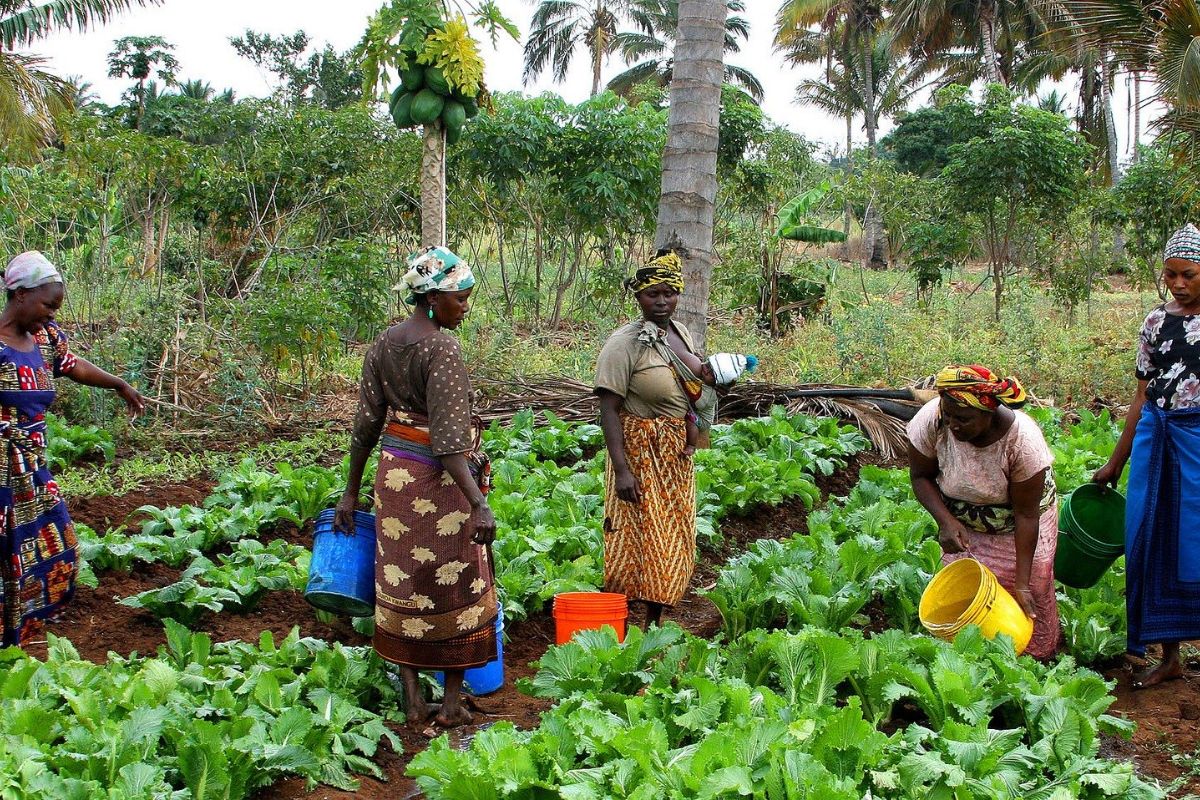
The growth of the tourism industry as an enterprise globally has developed various tourism products, combining tourism with other economic sectors. And this might be highly attributed to the challenges brought by climate change. Agritourism, for instance, a combination of Tourism and Agriculture, is intensely gaining traction in Tanzania, demonstrating the positive influence of adopting organic agriculture. It has tremendously created a paradigm shift from just normal agriculture to something else that draws attention to people, making it of interest for paying visits. It offers visitors a remarkable moment via hands-on experience on working farms, plantations, and ranches by allowing tourists to directly engage in agricultural activities like crop cultivation, livestock care, and a farm-to-table culinary experience.
The nature of tourism in Tanzania is predominantly wildlife-based, and thus over 30% of the country’s land is reserved for conservation; tourism authorities are currently expanding the horizon, designing and investing in other tourism products. Agritourism Tanzania has an opportunity to expose the country’s rich farming heritage, such as tours in coffee & tea plantations, spice farming, and horticultural crops, traditions, or local farming techniques, as well as cultural exchange and sustainable supply chain of agricultural practices. There is various evidence from current research and case studies confirming in several ways in which agritourism can enhance organic farming practices and broaden the organic sector.
Fosters organic farming practices
Usually, the produce or crops obtained from organic farming are substantially priced at a premium price due to the higher cost of production, and nowadays, the majority of consumers are demanding healthy food that is environmentally friendly in its production chain. Agritourism make use of this opportunity by offering meals to the visitors and generate revenue, and the option of consumption of organic food by tourists encourages local farmers to take a bold leap of investing in organic farming practices rather than the modern one which pose high heath risks to the final consumers as well as great carbon footprint is concerned.
Provision of training to visitors in the farm
In agritourism practices, tourists are also part of the experience, unlike other types of tourism, where they get the experience mostly through sightseeing. Tourists take responsibility by learning through practical experience with the locals. Tourists learn and practically engage in traditional crop cultivation, animal care, harvesting, processing, or traditional culinary practices, and eventually taste their food or beverage. In fact, it is a farm-to-table experience; it's a remarkable memoir in their lifetime.
Preservation of traditional agricultural practices
In most countries, especially developing ones, small local farmers in rural areas are underrated in their traditional farming practices by their governments. Agritourism has become a groundbreaking leap forward that takes on the role of government institutions by monetizing such neglected traditional agricultural practices. By making use of such traditional farming techniques, it goes beyond the standard tourism of normal tourist attractions, it is focused on the interaction of tourists with local communities, immerses them in the local culture while appreciating the traditional way of farming practices, and enhances it to become progressively useful for subsequent generations.
Strengthening Local Economies through Agritourism
Agritourism supports local economies by connecting producers directly with consumers of organic products. Tourists contribute to economic growth by purchasing and consuming locally grown horticultural goods, dairy, coffee, tea, and more. Their presence on farms and plantations also generates broader economic benefits by stimulating additional activities and services in the area, creating a multiplier effect. This not only improves livelihoods but also raises awareness of the value of organic agriculture. Moreover, the extra income from agritourism helps reduce farmers’ dependence on unsustainable farming practices, promoting a more resilient and environmentally friendly agricultural model.
How agrotourism encourages environmental conservation
The implementation of agritourism is largely focused on organic agriculture, a key factor for agri-ecological or conservation agricultural practices. Organic agriculture has principles that directly influence environmental conservation, such as using traditional pesticides like the mixed solution of Aloe vera, Neem leaves, soap, and pepper applied to crops against pests instead of chemicals, which pollute the environment and disrupt the ecosystems. Organic agriculture encourages the use of organic manure, and traditional crop storage altogether discourages the use of chemicals, which might put the consumer's health at risk due to their side effects. Organic farming restricts the use of harmful pesticides and synthetic fertilizers, which enables the maintenance of soil fertility and protects the ecosystems. Nevertheless, organic farming practices have positive implications in encouraging farmers to either adopt agriforest or permaculture.
Conclusion
The tourism sector in Tanzania has been growing steadily over the past two years, making the country one of Africa's top five destinations. Agritourism can play a pivotal role in revolutionizing the conservation efforts employed by the government and NGOs through organic farming practices. Appreciating the interaction of both sustainable agriculture and tourism, the country can enhance biodiversity promotion, soil health, and agriecology while offering unforgettable experiences to tourists.
Additionally, Organic farming is not only adventegious to Agritourism operation but also can be a way forwad towards food soveregnty, if people have a power to decide what to cultivate and how to cultivate then they have a better option of what they can eat as well, this can culminates the whole idea of food and nutrition security in Tanzania and globally.
References
- Brighton N et al, (2024) Agritourism for sustaible develoment
- Giulia Grillin etal (2025) How tourism change farms: The impact of agritourism on organic farming adoption.
- Holly, G & Ellie Rilla (2011) Agritourism and Nature tourism in Califonia
- https://africa.com/africas-top-10-destination-countries/
- Moyo, J (2024) Agritourism as tool for sustainable development for rural zimbabwe
- Nelingwa, M (2018) Rural tourism enahances smsllholder farmer livelihood-CGSpace.
- Nicola, P etal (2021) Sustainable Organic Agriculture fos sustaible development
- Sandra, B (2019) Organic Agriculture and rural tourism in Noth Montenegro
- Shaila, K (2025) Agritourism as a suastainable Rural Develoment Approach.
- Sirima, A (2023) Strawberry Picking as an Agritourism activity at Ulugulu Mountains, Tanzania.
Further reading
Agrotourism, a way to reconnect with our roots
Practical Challenges in Transitioning to Organic Farming
Can Young Farmers Afford Climate-Smart Agriculture? - The Profitability Challenge Explained
A Guide to Starting a Successful Farm in India: Key Considerations
Project Management Essentials for Agribusiness Success: From Planning to Execution
How to Identify and Engage Stakeholders in Farming
Family Farming in Brazil: Challenges, Contributions, and Opportunities