Introduction
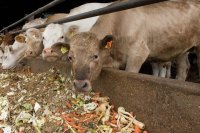
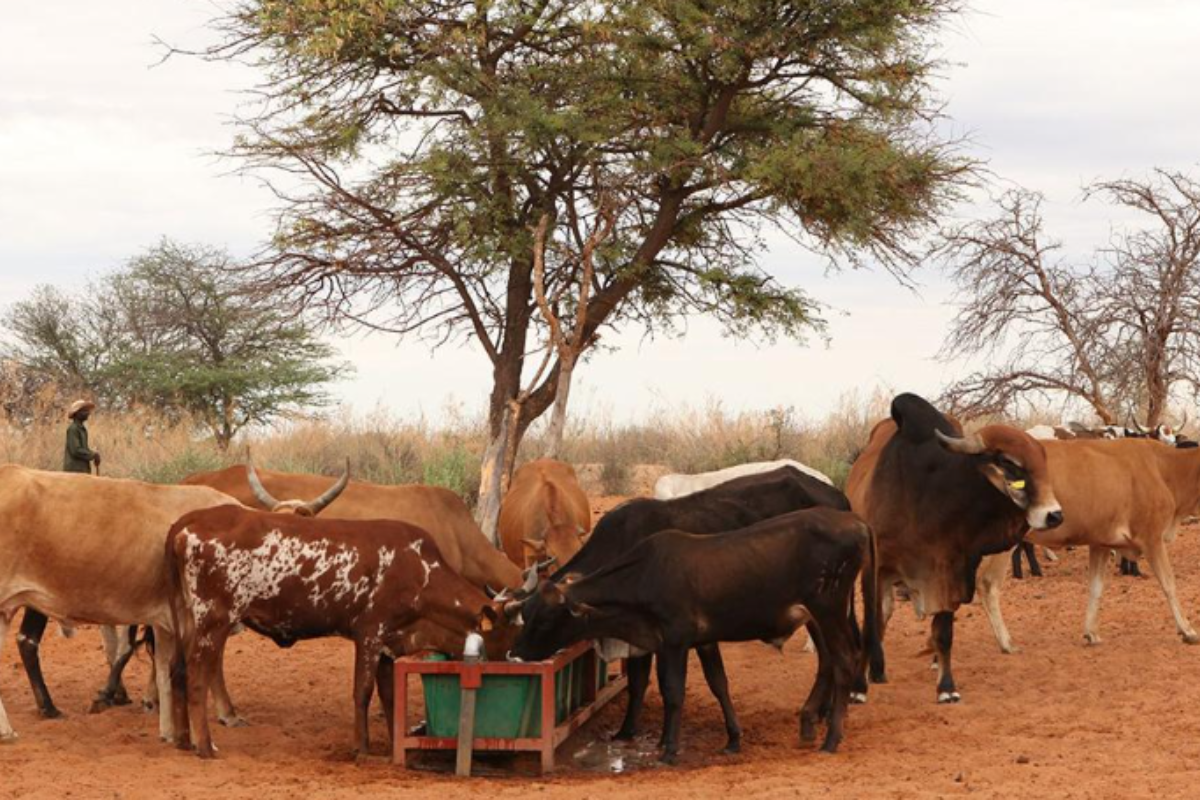
The livestock industry is a cornerstone of economic and nutritional security for millions of people worldwide, particularly in developing countries (Yashim et al., 2016; Gadzama et al., 2016). In regions like Nigeria, smallholder farmers often rely on livestock for income and sustenance yet face significant challenges such as feed scarcity and high feed costs, which account for over 70% of milk production expenses (Karangiya et al., 2016; Gadzama et al., 2017). To address these issues, researchers have explored innovative feeding strategies, including the use of densified complete feed blocks (DCFBs). These blocks, made from locally available resources, offer a cost-effective and sustainable solution to improve ruminant nutrition and productivity. This article delves into the concept, formulation, benefits, and implications of feed blocks for livestock farming.
The Concept of Feed Blocks
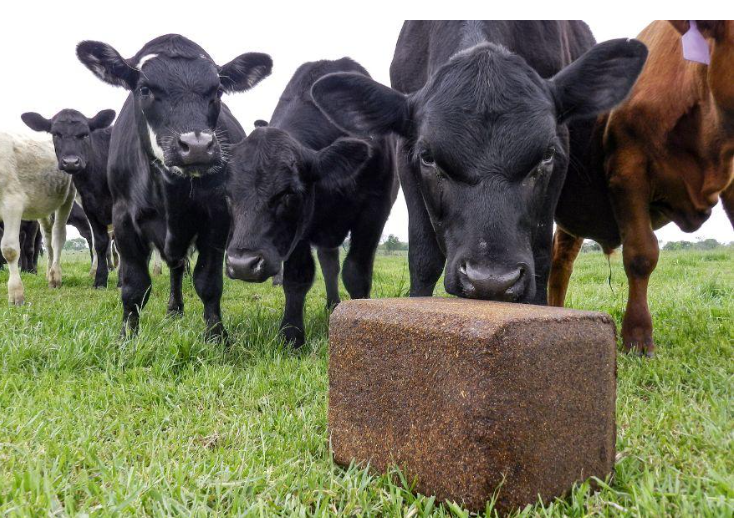
Feed blocks are solidified, high-density blocks composed of forage, concentrate, and supplementary nutrients designed to meet the nutritional needs of ruminants. They are particularly beneficial in regions where feed scarcity and poor-quality roughages are prevalent (Gadzama et al., 2016). Feed blocks enhance nutrient intake and rumen fermentation by improving the utilization of crop residues and agro-industrial by-products (Ben-Salem & Nefzaoui, 2003). They also stabilize rumen fermentation, minimize nutrient losses, and enhance ammonia utilization, making them ideal for dry seasons when forage quality declines (Prasad et al., 2001; Walli, 2009).
Formulation and Manufacturing of Feed Blocks
Ingredients and Formulation
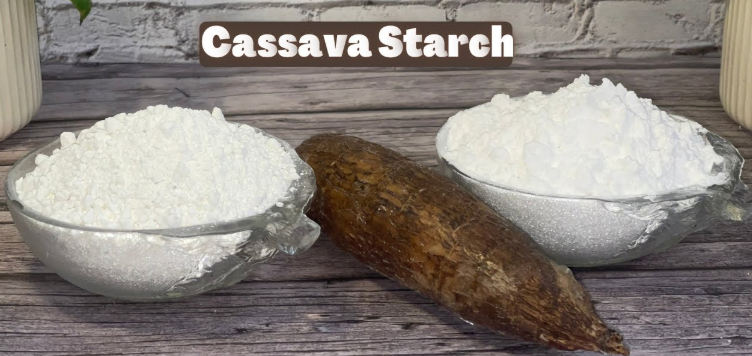
The formulation of feed blocks involves combining energy sources (e.g., molasses), nitrogen sources (e.g., urea), mineral sources, structural components (e.g., crop residues), and binders (e.g., cassava starch or cement). The choice of ingredients depends on local availability, cost, and nutritional value (Ben-Salem & Nefzaoui, 2003). Binders like cassava starch are preferred over traditional options like cement due to their safety and effectiveness in enhancing block durability (Oladimeji et al., 2022).
Manufacturing Process
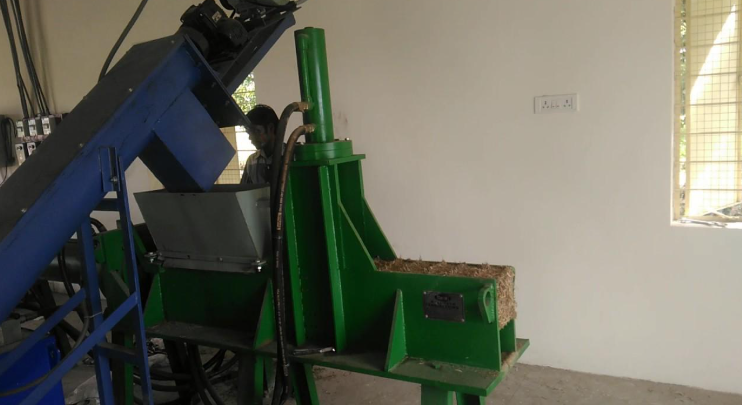
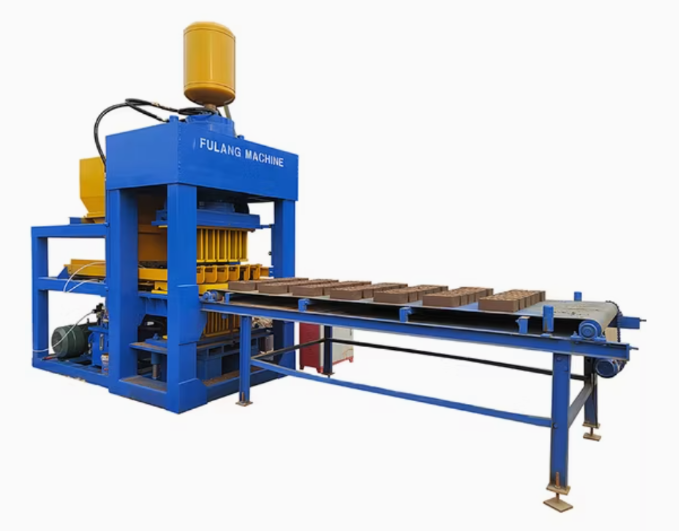
The manufacturing process includes ingredient preparation, mixing, molding, and drying. The cold process, which involves mixing molasses and urea overnight before adding other ingredients, is widely used due to its simplicity and cost-effectiveness (Garg et al., 1992; Gadzama et al., 2016). After mixing, the semi-solid mixture is poured into molds and compressed using hydraulic presses or manual methods. The blocks are then dried naturally or ovens are used to achieve the desired hardness and durability (Singh et al., 2016).
Physical Characteristics and Storability
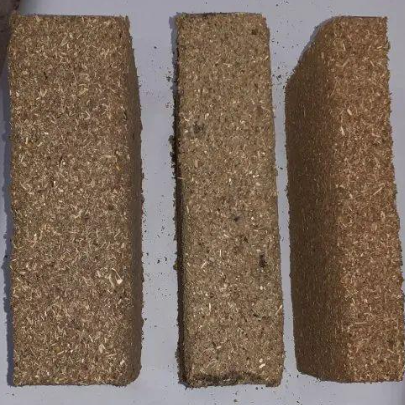
The physical characteristics of feed blocks, such as hardness and compactness, are critical for their effectiveness. Blocks made with cassava starch exhibit excellent hardness and storability, with low susceptibility to mold growth and moisture loss (Omoniyi et al., 2013). These properties make cassava starch an ideal binder, particularly in regions where cement use is discouraged due to health concerns.
A Case Study Using Feed Blocks
Gadzama et al. (2016) conducted a study to assess the quality of dusa-rice bran multi-nutrient blocks (DRMB) as a feed supplement for ruminants in the semi-arid environment of North East Nigeria. The authors formulated five different DRMB formulations (F1–F5) using locally available ingredients such as molasses, urea, salt, cement, dusa (containing 75% maize bran), poultry litter, cottonseed cake, and rice bran. The blocks were prepared using a cold process and sun-dried for 30 days. The study evaluated the hardness, compactness, chemical composition, and cost of production of the blocks.
The results showed that four of the five formulations (F1, F3, F4, and F5) had comparable hardness (+++) and compactness (+++) up to the 14th day of drying, with F4 exhibiting the highest hardness and compactness throughout the drying period. Chemically, F1 had the highest dry matter content (96.50%), while F3 recorded the highest crude protein content (13.70%). F5 had the highest crude fiber content (38.00%), and F1 had the highest ash content (16.00%). The cost of producing a 2 kg block ranged from N44.65 (F1) to N58.43 (F5), with F1 being the most cost-effective formulation. The authors concluded that DRMBs are a promising dry-season feed supplement for ruminants due to their nutritional value, ease of production, and affordability for smallholder farmers.
Benefits of Feed Blocks in Ruminant Nutrition
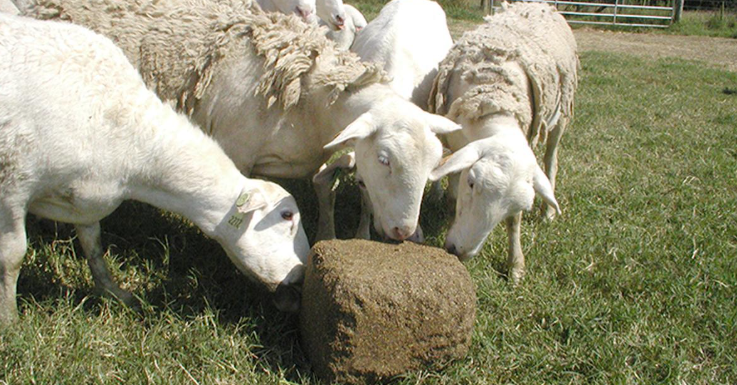
Feed blocks offer several benefits in ruminant nutrition, particularly in regions where feed scarcity is a major challenge. They improve the utilization of low-quality roughages by providing supplemental nutrients that enhance rumen fermentation and digestion. Studies have shown that feed blocks increase dry matter intake, nutrient digestibility, and animal performance (Bohra et al., 2012).
For example, urea molasses multi-nutrient blocks (UMMBs) have been widely used to supplement ruminant diets. UMMBs provide a slow-release source of nitrogen, energy, and minerals, improving feed utilization efficiency and reducing urea toxicity risk (Yami, 2007). Studies have shown that supplementation with UMMBs increases milk yield by 15-20% and growth rates by 25-35% in dairy cows and calves (Walli, 2009). For smallholder farmers, feed blocks provide a reliable source of nutrition during dry seasons, preventing weight loss and maintaining productivity (Walli, 2009; Gadzama et al., 2016; Duressa & Bersissa, 2016).
Implications for Livestock Productivity
Duressa and Bersissa (2016) conducted a study to evaluate the effects of urea-molasses multi-nutrient blocks (UMMB) supplementation on lactating Horro cows fed Rhodes grass hay as a basal diet. The study found that cows supplemented with UMMB showed significantly higher daily milk yield (2.38 liters/day) compared to the control group (1.62 liters/day). Similarly, feed intake was significantly higher in the UMMB-supplemented group (199.14 kg) than in the control group (180.91 kg). However, no significant differences were observed in milk composition (protein, fat, total solids, ash, and solids-not-fat) or body weight gain between the two groups. However, the UMMB group showed slightly better results in these parameters. The authors attributed the increased milk production to improved energy and nitrogen intake facilitated by UMMB supplementation.
The findings of Duressa and Bersissa (2016) highlight the potential of UMMB supplementation to enhance milk yield and feed intake in lactating Horro cows, particularly during dry seasons when feed quality and availability are limited. This aligns with previous studies, such as those by Yeasmin et al. (2004) and Plaizier et al. (1999), who also reported increased milk production in cows supplemented with UMMB. However, this study's lack of significant improvement in milk composition and body weight gain contrasts with findings from Tekeba et al. (2014) and Alam et al. (2009), who observed significant weight gains in supplemented cows. This discrepancy may be due to differences in experimental conditions, such as the type of basal diet used or the duration of supplementation.
Challenges and Future Directions
Despite their benefits, the widespread adoption of feed block technology faces challenges, including the initial investment in equipment and the need for region-specific formulations (Beigh et al., 2017). Gadzama et al. (2016) reported that the drying period of 30 days may be a limitation for dusa-rice bran multi-nutrient blocks (DRMB) as a feed supplement for ruminants, as it could delay the availability of the blocks for immediate use. This contrasts with the findings of Chenost and Kayouli (1997), who reported that blocks could be ready for use within 10 days when dried in the shade. Future studies could explore methods to reduce the drying time without compromising the quality of the blocks. Further research is needed to optimize formulations and manufacturing processes, ensuring their effectiveness across diverse agricultural systems. Farmer participation in research and technology transfer is also crucial for successful implementation (Ben-Salem & Nefzaoui, 2003).
Conclusion and Recommendations
Feed blocks represent a cost-effective and sustainable solution to improve ruminant nutrition and livestock productivity, particularly in feed-scarce regions. Using cassava starch as a binder enhances block durability and storability, making it a viable alternative to traditional binders. Farmers are encouraged to adopt feed block technology to ensure consistent livestock nutrition, especially during dry seasons. Additionally, feeding trials with live animals are recommended to evaluate the impact of DRMBs on animal performance, including weight gain, milk production, and reproductive efficiency (Gadzama et al., 2016).
References
- Akter, Y., Akbar, M. A., Shahjalal, M., & Ahmed, T. U. (2004). Effect of urea molasses multi-nutrient blocks supplementation of dairy cows fed rice straw and green grasses on milk yield, composition, live weight gain of cows and calves and feed intake. Pakistan Journal of Biological Sciences (Pakistan), 7(9).
- Alam, M. G. S., Rahman, M. A., Khatun, M., & Ahmed, T. U. (2009). Feed supplementation and weight change, milk yield and post-partum oestrus in desi cows. Bangladesh Veterinarian, 26(2), 39-47. Bangladesh Veterinarian article (PDF) — BanglaJOL
- Beigh, Y. A., Ganai, A. M., & Ahmad, H. A. (2017). Prospects of complete feed system in ruminant feeding: A review. Veterinary World, 10(4), 424–437.
- Ben-Salem, H. and Nefzaoui, A. (2003) Feed blocks as alternative supplements for sheep and goats. Small Ruminant Research, 49, 275-288.
- Duressa, D., & Bersissa, T. (2016). Effects of urea-molasses multi-nutrient blocks (UMMB) supplementation on some production parameters of lactating Horro cows at Horro Guduru Animal Production and Research Center, Western Ethiopia. Science, Technology and Arts Research Journal, 5(1), 35-38.
- Hatungimana, E., & Ndolisha, P. (2015). Effect of urea molasses block supplementation on growth performance of sheep. International Journal of Novel Research in Life Sciences, 2(3), 38-43.
- Gadzama, I. U., Mohammed, I. D., Yashim, S. M., Abdu, S. B., & Ereke, S. O. (2016). Quality assessment of Dusa-rice bran multi-nutrient block (DRMB) in a semi-arid environment of north east Nigeria. Journal of Animal Production Research, 28(1), 33-48.
- Gadzama, I. U. (2017). Feeds and feeding strategies for dairy cattle. Amodu, J. T., Lamidi, O. S., & Achi, N. P. (Eds.). National Animal Production Research Institute. Retrieved from https://www.researchgate.net/publication/341756901_Feeds_and_Feeding_Strategies_for_Dairy_Cattle
- Garg, M. R., & Gupta, B. N. (1992). Effect of supplementing urea molasses mineral block lick to straw based diet on DM intake and nutrient utilization. Asian-Australasian Journal of Animal Sciences, 5(1), 39-44.
- Karangiya, V. K., Savsani, H. H., & Ribadiya, N. K. (2016). Use of densified complete feed blocks as ruminant feed for sustainable livestock production: A review. Agricultural Reviews, 37(2), 141–147.
- Oladimeji, S. O., Adeyemi, A. A., Mosuro, A. O., Adebayo, B. F., Etop, S. C., Adebiyi, F. G., & Ogunwole, O. A. (2022). Nutritional composition of cassava (Manihot esculenta Crantz) peel products. Livestock Research for Rural Development, 34(10).
- Omoniyi, L. A., Isah, O. A., Adewumi, O. O. O., Arigbede, O. M., & Onwuka, C. F. I. (2013). Physico-Chemical Properties and Storability of Urea Molasses Multi Nutrient Feed Block (UMMB) as Dry Season Supplement for Ruminants. Journal of Applied Agricultural Research, 5(1), 113-121.
- Plaizier, J. C., McBride, B. W., Nkya, R., Shem, M. N., & Urio, N. A. (1999). Dry season supplementation of dairy cows with urea molasses mineral blocks and molasses-urea mix in the Morogoro region in Tanzania.
- Prasad, J. R., Rao, Z. P., & Rao, D. S. (2000). Evaluation of complete rations containing groundnut haulms at different levels in sheep. Indian Journal of Animal Nutrition, 17(2), 147-152.
- Singh, P. K., Chandramoni, C., Kumar, K., & Kumar, S. (2016). Effect of feeding wheat and rice straw based complete feed blocks on nutrients utilization, blood biochemical and growth performance in crossbred calves. Indian Journal of Animal Sciences, 86(7), 771–776.
- Tekeba, E., Wurzinger, M., & Zollitsch, W. (2014). Effects of dietary supplementation with urea molasses multi-nutrient block on performance of late lactating local ethiopian and crossbred dairy cows. International Journal of Technology Enhancements and Emerging Engineering Research, 2(2), 25-32. Effects of dietary supplementation with urea molasses multi-nutrient block on performance of mid-lactating local Ethiopian and crossbred dairy cows — Livestock Research for Rural Development
- Walli, T. K. (2009). Crop residue-based densified feed block technology for improving ruminant productivity. In Proceedings of the National Symposium on Fodder Block Technology (pp. 67–73). ILDEX India. Reference — Scientific Research Publishing
- Yami, A. (2007). How to make urea molasses blocks and feed to sheep and goats. Technical Bulletin No. 1, Ethiopian Sheep and Goat Productivity Improvement Programme.
- Yashim, S. M., Adekola, S. T., Abdu, S. B., Gadzama, I. U., & Hassan, M. R. (2016). Feed intake, growth performance and nutrient digestibility in growing Red Sokoto bucks fed diets containing graded levels of dried sweet orange peel meal. Animal Research International, 13(1), 2328–2337. Animal Research International — African Journals OnLine