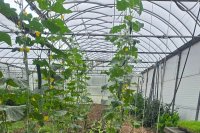
Many people think crops need soil to grow well, but more farmers are now using soilless methods. These systems use water and nutrients instead of soil to grow plants.
Soilless growing is becoming more popular because it helps farmers grow crops in small spaces, saves water, and allows vegetables to grow even where soil is poor. You can set up a small soilless system at home or on a small farm using basic materials and a little know-how. This article offers useful advice for anyone looking to start a simple soilless growing system.
What is a soilless growing system?
A soilless growing system lets you grow plants without soil. Instead, you use water or other materials to support the roots. These growing medium materials may include coconut coir, sawdust, rice husk, gravel, perlite, and rockwool.
Plants take in nutrients directly through their roots from water that has dissolved fertilizers. There are several hydroponic systems suited to different crops and scales. Crops commonly grown using soilless systems include lettuce, spinach, pepper, tomatoes, cucumbers, and herbs such as basil and mint.
Benefits of soilless farming
Efficient use of space. You can arrange soilless systems vertically, which helps you grow more crops in a small area.
Water conservation. These systems reuse water, so you waste less compared to conventional irrigation.
Faster plant growth. Plants often grow faster because they receive nutrients precisely when needed In addition to promoting quicker growth, soilless systems help address soil-related challenges such as pests, diseases, and poor soil fertility.
Clean and easy management. These systems are easier to manage and keep clean, especially when growing vegetables.
Simple materials needed to start
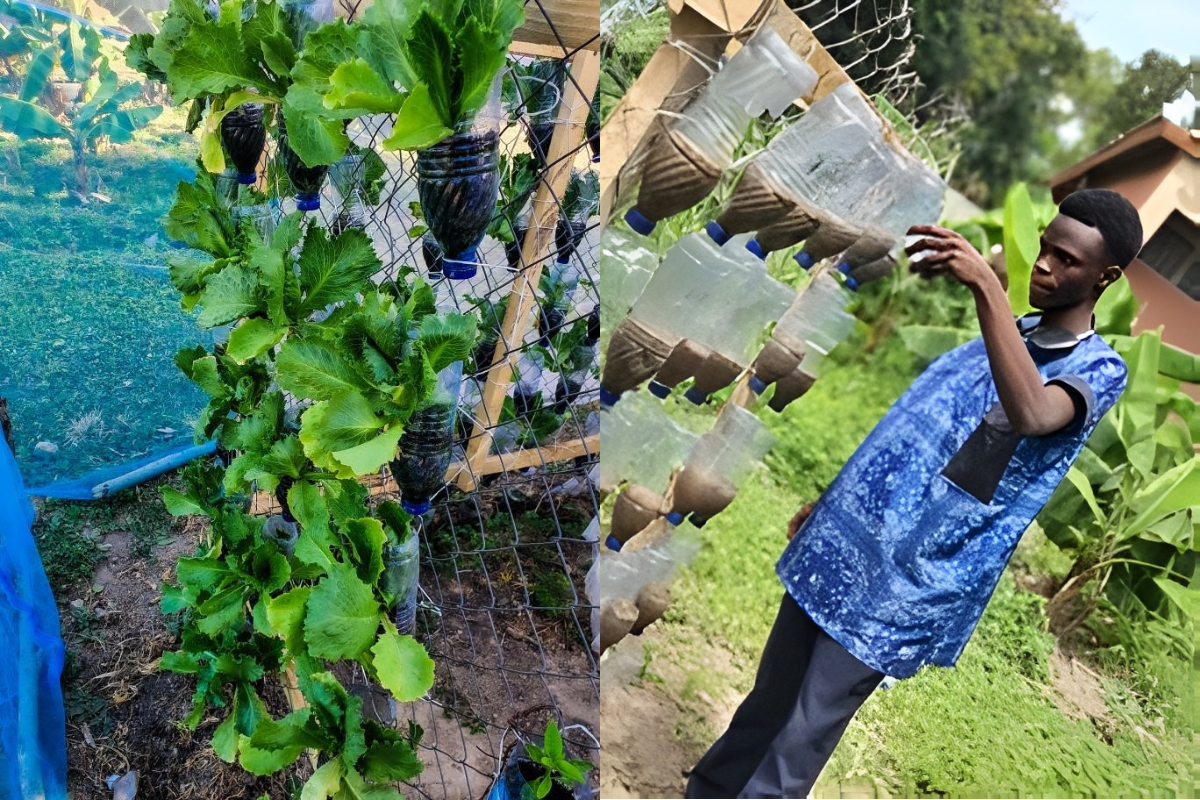
You do not need expensive equipment to start a simple system. You can use local or recycled materials like plastic bottles, buckets or containers, PVC pipes, plastic tanks or drums, water, water-soluble fertilizer, and growing media such as coco coir or rice husk. Recycling plastic bottles helps reduce waste and lets you grow your own food.
Steps to start a simple soilless system
1. Choose a good location. Set up your system where it gets plenty of sunlight. Most vegetables need 4 to 6 hours of sunlight each day.
2. Select suitable crops. If you are just starting, try growing lettuce, spinach, peppers, tomatoes, or basil. Leafy vegetables often do especially well in soilless systems.
3. Prepare the growing containers. You can cut plastic bottles or use containers to hold your plants. For example, cut a bottle in half, make small drainage holes, and fill it with coco coir or rice husk.
4. Prepare the nutrient solution. Plants need nutrients to grow. In soilless farming, you provide these by mixing fertilizer into water. Use water-soluble fertilizer and follow the recommended amounts.
5. Water the plants regularly. Because there is no soil, your plants need frequent watering, so it is important to monitor the water level in your system regularly. Check daily to ensure that the roots always have access to nutrient-rich water, and add more solution as needed so the growing medium does not dry out.
Useful tips for success
Start small and learn the system before expanding. Use healthy seedlings for better growth and yield. Check water levels daily. Inspect plants regularly for pests such as aphids and caterpillars, and consider incorporating biopesticides as part of an integrated pest management strategy. Keep the system clean to prevent diseases.
Common challenges farmers may face
Although soilless farming offers numerous benefits, it is important to recognize potential challenges and consider practical solutions.
Lack of knowledge. Farmers may need training to understand the system well. Nutrient management. Plants depend completely on the nutrient solution, so fertilizers must be mixed correctly. Initial setup costs. Some systems require basic investment, but using simple recycled materials can reduce costs significantly.
Conclusion
Soilless growing systems let you grow vegetables even if you have poor soil or limited space. With simple materials like plastic bottles, containers, and water-soluble fertilizer, you can successfully grow vegetables at home or on a small farm.
If you start small, learn as you go, and manage your system well, you can grow more food, improve your family's nutrition, and even earn extra income. Soilless farming is a practical way to practice sustainable agriculture, especially for small-scale farmers and people growing food in cities, where food insecurity remains a pressing challenge.
References
Gumisiriza, M. S., Ndakidemi, P. A., Nampijja, Z., & Mbega, E. R. (2023). Soilless urban gardening as a post-COVID-19 food security salvage technology: A study on the physiognomic response of lettuce to hydroponics in Uganda. Scientific African, 20, e01643.
Goh, Y. S., Hum, Y. S., Chai, L. Y., Lai, Y. L., Khin, W. K., Yap, W. S., & Tee, Y. K. (2023). A meta-analysis: Food production and vegetable crop yields of hydroponics. Scientia Horticulturae, 321, 112339.
Trejo-Tellez, L. I., & Gomez-Merino, F. C. (2023). Nutrient solution for hydroponics. In Recent Research and Advances in Soilless Culture. IntechOpen.