


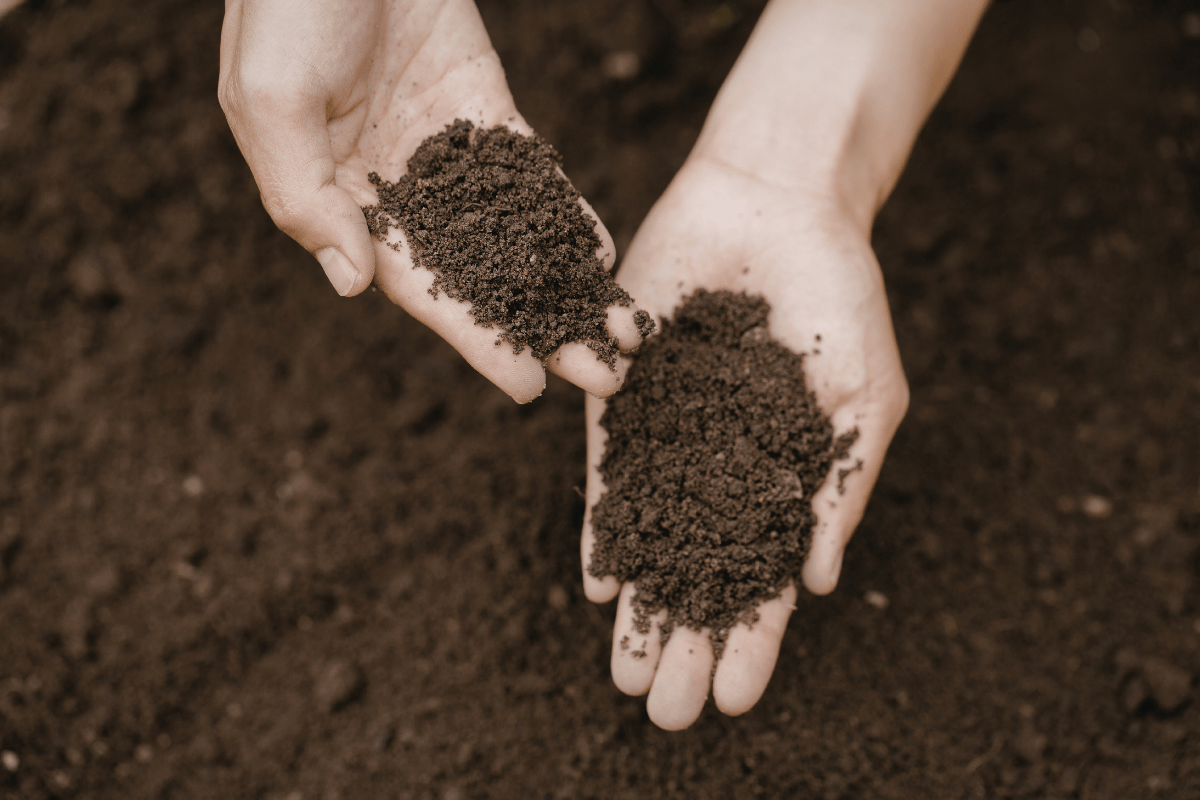
Soil carbon is the headline figure of regenerative agriculture. It appears in carbon markets, sustainability reports, supply-chain pledges, and increasingly in the language of trade between major agricultural exporters and the European Union. Good management can store carbon underground for decades, restore soils, and open the door to better markets. The strength of this promise depends on how it is translated into the field, through the soil profile, management history, climate, and the mechanisms that decide whether carbon stays in vulnerable pools or becomes stabilised over time.
In Brazil, and across Mercosur, this is becoming a particularly relevant question. As the EU-Mercosur agreement advances and European rules on deforestation and due diligence continue to develop, sustainability claims will increasingly need to be supported by clearer evidence from the farm level. Soil carbon is likely to become one of the central elements in this process. When soil carbon is understood as a biological process, a management outcome, and a measurable stock, it becomes more useful for farmers, less as an abstract promise and more as a guide for practical decisions in the field.
This article looks at what soil organic carbon actually does on a working farm, where its limits begin, and how to think about it honestly. The point is the same whether the farm is a thousand hectares of soybean in Mato Grosso or a mixed dairy and arable farm in northern Italy. Soil carbon can matter a great deal, provided it is understood in the soil, in the numbers, and in the decisions that produce it.
Why soil carbon matters
Soil organic matter is the largest carbon pool on land, holding two to three times more carbon than the entire atmosphere (Lal, 2004; IPCC, 2022). Soil carbon matters for climate because increases in soil organic carbon remove part of the CO₂ fixed by plants from short-term atmospheric exchange and store it underground, at least for as long as management, soil conditions, and protection mechanisms maintain that stock. For agriculture, the appeal is clear. Higher soil carbon is often associated with better water retention, stronger aggregation, lower erosion risk, and more efficient nutrient cycling. It deserves attention beyond climate accounting because it is one of the few mitigation pathways that can also support yield stability and farm resilience.
It helps to keep the biology visible. Soil carbon reflects a living balance between inputs and losses. Roots, residues, exudates, and manure enter the soil, while microbes transform part of that material and respire part of it back as CO₂. The speed of this exchange varies with climate, tending to be faster in warm and humid tropical and subtropical farming regions and slower in cooler or more seasonal systems. Soil carbon is therefore best understood as a stock maintained by continuous biological work, shaped by climate, soil type, management history, and the regular return of organic inputs.
How soil organic carbon forms and disappears
Current understanding of soil carbon formation has moved beyond the earlier emphasis on chemically resistant plant residues accumulating underground. Stable soil organic carbon is increasingly seen as the product of microbial processing and association with the mineral matrix. Microbial residues and decomposition products are stabilised through organo-mineral associations with fine particles and reactive surfaces, such as clay- and silt-sized minerals, iron oxides, and aluminium oxides (Cotrufo et al., 2015). Plants supply the carbon that sustains microbial activity, while microbial transformation and mineral protection largely determine how much of that carbon is retained over time.
This mechanism leads to very practical consequences.
Residue quality controls efficiency. Residue quality influences how efficiently plant carbon becomes stable soil organic matter. Nitrogen-rich residues, such as legumes, can support microbial growth and necromass formation, while coarse, lignified residues mainly improve cover and particulate organic matter. Long-term storage depends on microbial transformation, aggregation, and mineral protection.
Nitrogen sets part of the ceiling. Persistent soil organic matter is nitrogen rich. When nitrogen is limiting, new carbon is less efficiently converted into microbial residues and mineral-associated organic matter, and a larger share remains in labile pools that are more sensitive to moisture, temperature, and disturbance.
Minerals define storage space. Sandy soils, common across parts of the European sandy belt (from the North German Plain through Poland), as well as the Brazilian Cerrado and the Paraguayan Chaco, have less reactive mineral surface for carbon protection than finer-textured soils. This gives them a lower ceiling for long-term mineral-associated organic matter storage. Well-designed regenerative management can still produce large relative gains in soil health on these soils.
Land use history sets the starting line. Texture, nitrogen status, hydrology, and mineral protection all shape how much new carbon a soil can retain, and each carries the imprint of previous land use. Texture is largely inherited from parent material, but erosion, deposition, and long-term cultivation can shift the distribution of fine particles in the surface layer. Nitrogen availability reflects past biomass inputs, fertilisation, residue export, fire, and grazing. Hydrology is altered by compaction, drainage, vegetation cover, and root structure.
Even mineral protection depends on whether fine particles, aggregates, and reactive surfaces have been conserved or degraded. A meta-analysis of nearly four hundred tropical studies found that converting primary forest to perennial crops reduced soil carbon stocks by about 30%, and conversion to grassland by about 12%, with wide variation by management (Don et al., 2011). Every regenerative claim starts from this baseline. A cover crop, a pasture reform, or a diversified rotation always begins within an inherited soil condition.
Building, protecting, and bounding soil carbon
Cover crops, and the case for mixtures
Cover crops are one of the main ways regenerative systems build new soil carbon. They keep the field biologically active between cash crops, turning light, rainfall, residual nutrients, and fallow time into roots, residues, exudates, and microbial growth. Global meta-analyses estimate average soil carbon gains of around 0.3 Mg per hectare per year under cover cropping (Poeplau and Don, 2015), with similar responses under tropical conditions (Jian et al., 2020).
In a recent systematic review of more than a thousand field observations across Brazil, our team found that aboveground biomass from cover crops ranged from 0.3 to almost 18 Mg per hectare, and that multispecies mixtures consistently outperformed monocultures, regardless of soil clay content (Carvalho, Galera et al., 2026). The range matters. A weak stand leaves little carbon and little biological legacy, while a vigorous stand increases inputs, feeds microbial activity, protects the surface, improves aggregation, and helps move part of that carbon into more persistent pools.
Mixtures are strongest when they are designed as functional communities. Grasses such as Urochloa ruziziensis and Sorghum bicolor often carry the carbon load through high biomass, dense roots, nitrate capture, and persistent residues. Legumes such as Crotalaria juncea and Cajanus cajan improve the nitrogen economy and help microbial communities convert plant inputs into microbial residues, a major pathway of stable soil organic matter formation. Brassicas and other deep-rooted species can add rapid cover, biopores, and access to compacted or deeper layers.
In some situations, however, a well-chosen monoculture may be more efficient than a poorly designed mix, especially when one function dominates the management goal, such as maximum biomass, rapid nitrogen supply, strong weed suppression, or low water use before the next crop. The value of mixtures comes from functional fit, not from species number alone. The carbon outcome depends on establishment, realised proportions, dominance control, termination timing, and the match between the mixture, the soil constraint, and the following crop.
Protecting what is already there
Some soil carbon needs to be built, while a large share needs to be protected. Brazil's Forest Code already requires landowners to maintain Legal Reserves and Areas of Permanent Preservation, including riparian buffers and hilltops, and these areas store substantial amounts of carbon (Soares-Filho et al., 2014). In my master's research in the Corumbataí basin, in central São Paulo, riparian forests held an average of 44 Mg of carbon per hectare in the top 30 cm of soil, compared with 26 to 27 Mg per hectare under neighbouring pastures and sugarcane fields. Restoring the riparian buffers required by the Forest Code in those small watersheds could increase the carbon stocks of those strips by about 20%, based on an estimate using the earlier 30 m buffer criterion (Galera, 2018).
For farmers and supply chains, avoiding losses from preserved fragments is usually faster, cheaper, and more reliable than building new carbon in cultivated soils. The same logic applies within agricultural land. Well-managed fields and pastures already store carbon accumulated through years of root growth, residue return, manure inputs, no-till, pasture recovery, or diversified rotations. That stock can be lost quickly when soil is exposed, compacted, overgrazed, burned, or intensively tilled. A credible regenerative strategy should therefore account for the whole farm carbon story, including new carbon accumulated in productive fields, existing carbon maintained in agricultural soils, and carbon held in protected or restored native vegetation.
Texture, climate, and the limits of imported numbers
The same practice can produce very different carbon outcomes depending on rainfall, temperature, texture, mineralogy, drainage, and nitrogen status. Results from European long-term trials cannot simply be transferred to South American export systems, and tropical results should not be applied uncritically to European conditions. Credible soil carbon claims need regional baselines, field measurements, and clear land use histories.
From farm practice to credible claims
Once the noise is stripped away, the practical implications for farmers, agronomists, and supply chains are clear.
Maximise biomass and root inputs. Roots are central to stable soil carbon formation, and the best way to increase them depends on the farming system. In European cereal rotations, this may mean cover crops, temporary leys, integrated livestock, or manure-based systems. In South American grain and livestock systems, it may mean vigorous grasses, integrated crop-livestock rotations, or longer periods of living cover.
Use diverse mixtures with a purpose. Diversity can buffer climatic variability and combine functions, but the strongest mixtures are designed around biomass, rooting depth, residue quality, nitrogen supply, water use, and the crop that follows. In some situations, a well-chosen monoculture is more efficient than a poorly designed mix.
Manage nitrogen with carbon. Stable soil organic matter requires carbon and nutrients together. Systems that export biomass and return too little nitrogen will struggle to build durable carbon.
Protect existing carbon. Native vegetation, permanent grasslands, hedgerows, riparian areas, well-managed pastures, and carbon-rich agricultural soils all belong in the carbon balance. Protecting existing carbon matters in both contexts, from drained peat and organic soils in Europe to forests, savannas, wetlands, and long-managed agricultural soils in Mercosur supply chains.
Expect slow change. Detectable gains usually take five to ten years, and stocks are reversible when practices change (Schlesinger, 2022). A credible soil carbon strategy needs patience, repeated measurement, and continuity of management.
Together, these points make soil carbon claims more defensible by connecting practice to soil, baseline, measurement, and the time needed for change.
What European markets will increasingly ask
The EU-Mercosur Interim Trade Agreement (ITA) entered into provisional application on 1 May 2026, moving the relationship between the two regions from a long negotiation into a practical test for farms, exporters, buyers, and regulators (European Commission, 2026). The agreement is mainly about tariffs and rules of origin, but it arrives inside a wider European regulatory architecture that is already changing how agricultural products are documented. The EUDR (European Parliament and Council, 2023), the Corporate Sustainability Reporting Directive (European Parliament and Council, 2022), EU anti-greenwashing rules, and the Soil Monitoring and Resilience Directive (European Parliament and Council, 2025) will carry much of the technical pressure. The ITA matters because it accelerates exposure to that architecture and brings more scrutiny to Mercosur agri-food chains.
For soil carbon, the opening is concrete. Expanded trade will increase the value of claims that can show how production systems are managed, monitored, and improved over time. The strongest position will belong to farms and supply chains able to document soil cover, land-use history, carbon stocks, restored areas, protected vegetation, and continuity of management. General carbon-friendly language will not be enough. European auditors, buyers, and civil society reviewers will look for evidence that connects the claim to a place, a baseline, and a management record.
These layers often overlap on the same farm, but they should be evaluated with different forms of evidence. Protected vegetation, preserved fragments, and land-use change belong mainly to the broader deforestation and biodiversity agenda, where credibility depends on legal protection, land conversion history, and conservation safeguards. Soil carbon stocks, management continuity, and restored agricultural areas belong to the monitoring domain, where credibility depends on baselines, sampling design, repeated measurements, and uncertainty. A credible regenerative claim should show how these dimensions fit together while keeping their evidence requirements clear.
This also requires practical translation. European buyers and regulators need to understand how soil carbon behaves under tropical and subtropical farming conditions, where decomposition can be fast and maintaining stocks requires continuous management. Mercosur farmers and exporters need to understand what kind of evidence will be credible in European markets, including documented baselines and sampling protocols that account for spatial variability, clear depth conventions, and equivalent soil mass corrections. The technical difficulty is detectability. Real changes in soil carbon are often slow relative to sampling noise, so several years of monitoring may be needed before a signal can be separated from background variation.
European farmers, for their part, have their own legitimate concerns. Many operate under strict environmental rules, rising input costs, and tight margins, and they worry about imports produced under different regulatory systems. A serious trade conversation has to take this asymmetry seriously. The credibility of Mercosur sustainability claims will influence whether competition is perceived as fair. Brazil and the wider Mercosur region also have substantive experience to bring forward, including ABC and ABC+ programmes, no-till transitions, pasture recovery, integrated crop-livestock-forestry systems, and diversified rotations. These are management trajectories with measurable consequences for soil carbon, soil structure, erosion control, water regulation, and nutrient cycling. The opportunities for voluntary carbon markets to reward such management are also expanding, although careful baseline design remains essential.
The decisive work will happen between regulation and field reality. Soil carbon is a slow, measurable outcome of management, shaped by climate, soil type, and time. Mercosur farms and supply chains that can explain it with records, context, and credible monitoring will be better prepared for European markets asking increasingly technical questions. European actors, in turn, will need to judge those claims with technical consistency, recognising real differences in climate, soils, and production systems while maintaining fair standards for evidence and accountability.
References
- Assad, E. D., Pinto, H. S., Martins, S. C., et al. (2013). Changes in soil carbon stocks in Brazil due to land use. Biogeosciences, 10, 6141–6160.
- Carvalho, M. L., Galera, L. de A., Scholten, R. S., Canisares, L. P., and Cherubin, M. R. (2026). Dry matter production and nutrient uptake by cover crops in Brazilian agriculture. Nutrient Cycling in Agroecosystems, 132, 28.
- Cotrufo, M. F., Soong, J. L., Horton, A. J., et al. (2015). Formation of soil organic matter via biochemical and physical pathways of litter mass loss. Nature Geoscience, 8, 776–779.
- Don, A., Schumacher, J., and Freibauer, A. (2011). Impact of tropical land-use change on soil organic carbon stocks, a meta-analysis. Global Change Biology, 17, 1658–1670.
- European Commission (2026). EU-Mercosur Interim Trade Agreement, provisional application begins 1 May 2026. Press release, 30 April 2026, Brussels.
- European Parliament and Council (2022). Directive (EU) 2022/2464 on corporate sustainability reporting (CSRD). Official Journal of the European Union, L 322, 15–80.
- European Parliament and Council (2023). Regulation (EU) 2023/1115 on deforestation-free products (EUDR). Official Journal of the European Union, L 150, 206–247.
- European Parliament and Council (2025). Directive (EU) 2025/2360 of 12 November 2025 on soil monitoring and resilience (Soil Monitoring Law). Official Journal of the European Union, L series, 26 November 2025.
- Galera, L. de A. (2018). Carbon sequestration potential of the soil in the restoration of riparian forests of the Corumbataí basin (SP). MSc Thesis, CENA/USP, Piracicaba.
- IPCC (2022). Climate Change 2022, Mitigation of Climate Change. Cambridge University Press.
- Jian, J., Du, X., Reiter, M. S., and Stewart, R. D. (2020). A meta-analysis of global cropland soil carbon changes due to cover cropping. Soil Biology and Biochemistry, 143, 107735.
- Lal, R. (2004). Soil carbon sequestration impacts on global climate change and food security. Science, 304, 1623–1627.
- Poeplau, C., and Don, A. (2015). Carbon sequestration in agricultural soils via cultivation of cover crops, a meta-analysis. Agriculture, Ecosystems and Environment, 200, 33–41.
- Sá, J. C. M., Lal, R., Cerri, C. C., et al. (2017). Low-carbon agriculture in South America to mitigate global climate change and advance food security. Environment International, 98, 102–112.
- Schlesinger, W. H. (2022). Biogeochemical constraints on climate change mitigation through regenerative farming. Biogeochemistry, 161, 9–17.
- Soares-Filho, B., Rajão, R., Macedo, M., et al. (2014). Cracking Brazil's Forest Code. Science, 344, 363–364.