The art and science of hive stewardship
Successful beekeeping requires far more than simply placing bees in boxes and waiting for honey. It demands a blend of careful observation, seasonal awareness, proper technique, and thoughtful decision-making. The beekeeper serves as steward, protector, and partner to the colony, supporting the bees' natural behaviors while managing challenges that would overwhelm colonies in the wild.
This comprehensive guide explores the practical skills every beekeeper needs to maintain healthy, productive colonies throughout the year. From hive inspection techniques to seasonal management strategies, equipment essentials to safety practices, these foundational competencies separate thriving apiaries from struggling ones.
The critical practice of hive inspection
Why regular inspections matter
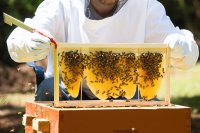
Hive inspection represents the beekeeper's primary tool for understanding colony health, detecting problems early, and making informed management decisions. A well-maintained hive provides an ideal environment for breeding and honey production, but only when the beekeeper actively monitors and responds to the colony's changing needs.
Regular inspections allow beekeepers to assess:
- Queen presence and egg-laying patterns
- Population strength and brood development
- Food stores (honey and pollen reserves)
- Signs of disease, pests, or abnormal behavior
- Space needs as the colony grows or contracts
Inspection frequency and timing
Active season (Spring and Summer):
Conduct inspections weekly during periods of rapid colony growth and high activity. This intensive monitoring enables beekeepers to detect swarming preparations, identify disease outbreaks, and ensure sufficient space for expanding populations.
Winter Season:
Reduce inspection frequency to every 2 weeks to once monthly. Minimize hive disturbances during cold weather, as opening hives breaks the critical thermal envelope bees maintain for survival. Brief checks to assess food stores and colony survival suffice during dormant periods.
Optimal inspection conditions
Weather Considerations:
Always open hives during warm, calm, sunny weather—preferably a few hours after sunrise or an hour or two before sunset. Avoid inspecting during:
- The heat of midday (combs can melt in direct sun)
- Rainy or cold weather (chills brood and stresses bees)
- Windy conditions (blows smoke ineffectively and agitates bees)
- Late afternoon when foragers are returning en masse
Critical Note: Improper timing causes unnecessary stress for both bees and beekeeper. Uncomfortable weather makes bees defensive and inspection difficult.
What to observe during inspections
The brood nest
Work your way to center brood combs, paying special attention to the interface between honey stores above and the brood below. This dynamic zone reveals colony nutritional status, reproductive health, and seasonal trajectory.
Key Indicators:
- Eggs and young larvae: White C-shaped larvae in royal jelly indicate a laying queen (eggs can be difficult for beginners to see)
- Brood pattern: Solid, compact patterns suggest healthy queens; spotty patterns may indicate disease or failing queens
- Beebread ring: A band of stored pollen surrounding brood indicates good nutrition; absence suggests nutritional stress
- Honey stores: Adequate capped honey in upper frames and outer combs ensures colony food security
- Population density: Frames should be well-covered with bees during the active season
Recording and documentation
Always record observations, including population strength, brood pattern quality, food stores, queen status, and any disease signs. Maintaining detailed records enables beekeepers to track colony progress over time, identify trends, and make evidence-based management decisions. Digital apps and paper forms both work well, consistency matters more than format.
Seasonal beekeeping management
A beekeeper's responsibilities shift dramatically throughout the year, following the natural lifecycle of the colony and surrounding environment. Understanding and anticipating these seasonal rhythms separates successful beekeepers from those constantly reacting to crises.
Spring: The season of explosive growth
Peak activity period
Spring brings the year's most intensive management demands as colonies emerge from winter clustering, queens ramp up egg-laying, and foragers exploit abundant nectar flows from early-blooming plants.
Critical spring tasks:
- Close Monitoring: Inspect colonies weekly to track rapid population growth
- Supplemental Feeding: Add liquid sugar syrup if natural nectar sources are insufficient for brood rearing
- Space Management: Provide wax foundation or drawn comb as bees fill frames
- Swarm Prevention: Monitor for swarm preparations (queen cells, congestion) and take preventive action through space addition or splits
- Queen Rearing: Perform queen replacement or colony multiplication if desired
- Treatment Timing: Avoid chemical treatments during blooming periods to prevent honey contamination
Forage considerations
Major spring nectar flows from citrus (orange, lemon, mandarin) and other early bloomers produce light, fragrant honey and fuel colony expansion. Ensure bees have access to diverse pollen sources, including avocado, which requires cross-pollination by honeybees for fruit set.
Summer: Maintaining momentum
Continued productivity
Summer colonies reach their peak populations (40,000-60,000 workers) and maximum productivity. While growth stabilizes, management attention remains essential.
Summer management priorities
- Regular Inspections: Continue monitoring colony health and productivity
- Space Management: Ensure adequate super space for honey storage
- Water Provision: Place clean water sources near hives, especially critical during hot weather
- Honey Harvesting: Collect mature, capped honey during main flows
- Ventilation: Ensure adequate hive ventilation to prevent overheating
Summer forage
Wildflowers, clover, lavender, and eucalyptus provide diverse nectar and pollen sources. Wildflowers yield multifloral honey rich in minerals and antioxidants. Lavender produces aromatic, premium honey with distinctive floral notes. Eucalyptus offers important nectar in dry regions, creating amber honey with menthol-like characteristics.
Autumn: Preparing for winter
Transition and preparation
As day length shortens and temperatures cool, colonies begin winter preparation. The beekeeper's role shifts to ensuring colonies enter dormancy with everything needed for survival.
Critical autumn tasks:
- Food Reserve Assessment: Ensure colonies have sufficient honey stores (typically 40-60 lbs or 18-27 kg depending on winter length)
- Varroa Treatment: Apply mite treatments when brood levels decline but before winter clustering begins
- Queen Assessment: Perform late-season queen rearing if necessary to ensure strong, young queens overwinter
- Entrance Reduction: Reduce hive entrances to prevent robbing and improve colony defense
- Equipment Maintenance: Repair damaged equipment before winter
Autumn forage:
Carob offers pollen and limited nectar during this seasonal gap, supporting colonies as they prepare for winter dormancy. Floral diversity becomes limited, making stored reserves increasingly important.
Winter: Minimal intervention
Low-activity period
Winter demands minimal beekeeping intervention. Colonies cluster tightly, generating heat through muscle vibration while consuming stored honey. The queen stops or dramatically reduces egg-laying.
Winter management
- Minimal Disturbance: Avoid opening hives except for brief emergency checks
- Emergency Feeding: Add sugar candy or fondant if colonies face starvation
- Entrance Monitoring: Ensure entrances remain clear of snow or dead bee accumulation
- Equipment Checks: Inspect stored equipment and plan spring needs
- Education: Use the quiet season for reading, course-taking, and planning
Critical point: Winter workers live 4-6 months (versus 6-8 weeks for summer workers), an adaptation that maintains colony population through the broodless period.
Essential beekeeping equipment
Proper equipment makes beekeeping safer, more efficient, and more enjoyable. While elaborate setups exist, beginners need only fundamental tools to manage colonies successfully.
Core equipment list
The hive itself:
- Wooden hive boxes (brood chambers and honey supers)
- Frames with foundation or drawn comb
- Bottom board (ideally screened for Varroa management)
- Inner cover
- Telescoping outer cover for weather protection
- Queen excluder to separate brood from honey supers
Beekeeping tools:
- Smoker: Produces cool smoke to calm bees during inspections
- Hive Tool or J-Hook: Pries apart stuck boxes and frames
- Bee Brush: Gently removes bees from comb surfaces
- Feeder: Provides sugar syrup during dearth periods
Personal protective equipment:
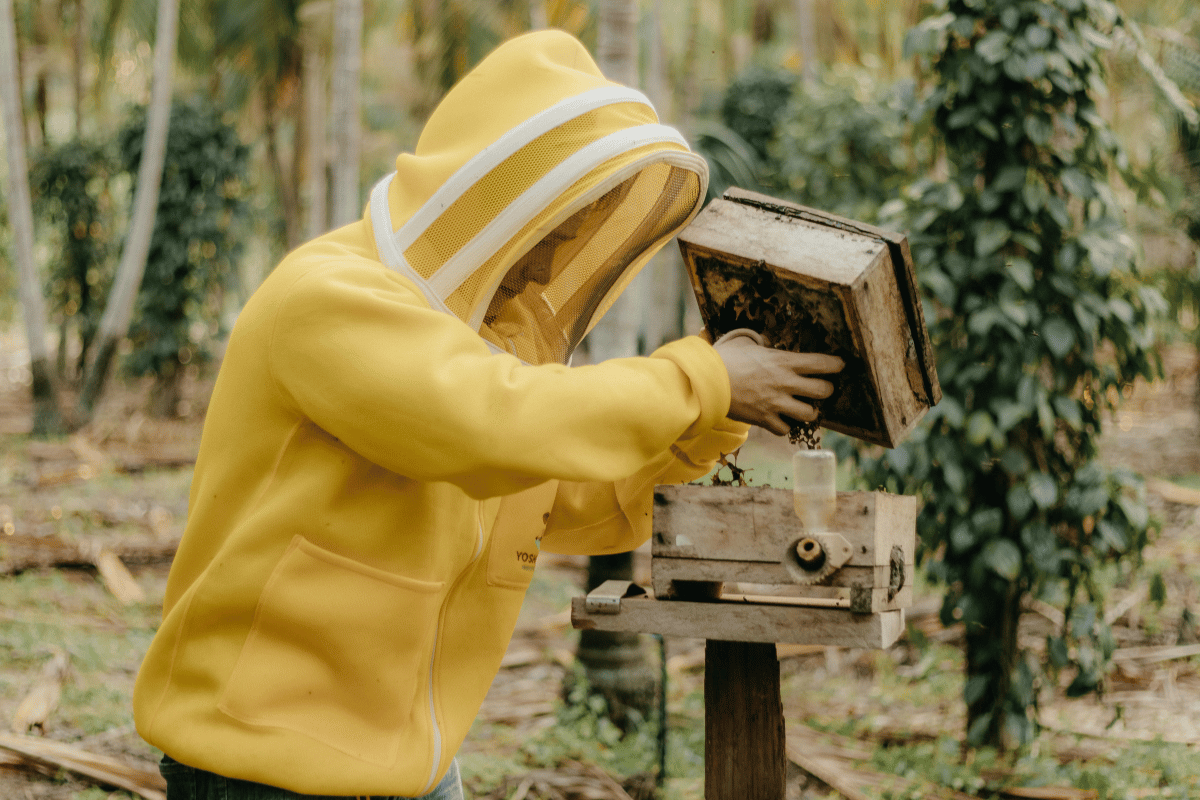
- Full bee suit or jacket with veil
- Protective gloves (leather or nitrile)
- Boots or closed-toe shoes
Equipment maintenance
Regular cleaning
Clean tools and equipment regularly to prevent propolis buildup and disease transmission. Propolis (a sticky, resinous substance bees collect from tree buds) accumulates on all hive surfaces and tools, making them difficult to manipulate if not periodically cleaned.
Frame replacement
Replace old, dark comb every 3-4 years. Old comb accumulates pesticide residues, disease pathogens, and narrows cell sizes, reducing bee body size and colony health.
Component inspection
Regularly check all hive components for cracks, warping, or damage. The telescoping cover should seal effectively against rain and wind. Bottom boards need proper ventilation while preventing water accumulation.
Bee safety: Protecting the beekeeper and the colony
Safety in beekeeping serves dual purposes: protecting the beekeeper from stings and protecting the colony from harm during management.
Personal safety practices
Protective gear
Always wear proper protective equipment—suit, veil, and gloves—to prevent stings and enable confident hive work. Even experienced beekeepers use protection; no amount of skill prevents all stings, and bee allergies can develop at any time.
Positioning
Stand to the side or behind the hive, never directly in front of the entrance. This avoids blocking flight paths and reduces encounters with defensive guard bees protecting the entrance.
Movement and Handling
- Move slowly and deliberately around open hives
- Avoid quick movements that alarm bees
- Crush no bees (injured bees release alarm pheromones triggering defensive behavior)
- Minimize time with hive open
- Use smoke judiciously—enough to calm bees without oversmoking
Smoke use technique
Purpose
Gentle smoke masks alarm pheromones and triggers a feeding response (bees gorge on honey in preparation for potential hive abandonment), making them less defensive.
Application
- Puff small amounts at entrance before opening
- Add light smoke across the top bars when removing the cover
- Use cool, white smoke (not hot, black smoke that burns bees)
- Avoid excessive smoking that drives bees off combs
Colony protection
Tool hygiene
Keep tools clean to prevent disease spread between colonies. Contaminated equipment transmits American Foulbrood spores, Nosema, and other pathogens.
Comb handling
Handle frames carefully to avoid crushing brood, damaging comb, or injuring the queen. Return frames to the same positions bees arranged them, keeping brood together in the center and food stores to the outside.
Supporting bees through forage management
While beekeepers cannot directly control landscape-level forage availability, understanding bee nutritional needs and supporting diverse forage improves colony health dramatically.
The importance of floral diversity
Diverse floral resources provide several critical benefits:
- Year-Round Food Availability: Different plants bloom at different times, filling seasonal gaps
- Improved Immunity: Varied pollen sources provide complete nutrition, strengthening immune function
- Enhanced Honey Quality: Mixed nectar sources create complex flavor profiles and superior nutritional value
- Ecosystem Support: Diverse plantings support wild pollinators and ecosystem balance
- Agricultural Productivity: Increased pollination services boost fruit and seed production
Seasonal forage calendar
Season key plants characteristics
Spring Citrus, Avocado Major spring nectar flow producing light, fragrant honey; avocado requires honeybee cross-pollination
Summer Wildflowers, Clover, Lavender, Eucalyptus Diverse sources yielding multifloral honey rich in minerals; lavender produces premium aromatic honey
Autumn Carob Limited forage supporting colonies through seasonal gaps
Winter Minimal Colonies rely primarily on stored reserves
Honeydew sources
When floral nectar becomes limited, some bees collect honeydew—sweet secretions produced by sap-feeding insects on trees like cedar and oak. Honeydew honey appears darker than floral honey, tastes less sweet, and contains higher mineral and antioxidant concentrations. While less commercially valuable in some markets, honeydew honey offers unique nutritional benefits.
Enhancing forage landscapes
For landowners
- Plant bee-friendly trees, shrubs, and flowering plants
- Maintain hedgerows and field margins with diverse wildflowers
- Reduce or eliminate pesticide use, especially during bloom
- Preserve natural habitats that support year-round forage
For beekeepers:
- Site hives near diverse forage sources when possible
- Rotate hive locations to access different seasonal flows
- Supplement feeding during dearth periods to maintain colony strength
- Communicate with farmers about bloom timing and pesticide applications
The reward of thoughtful stewardship
Practical beekeeping management represents an ongoing dialogue between the beekeeper and the colony. By conducting regular inspections, adapting management to seasonal rhythms, using proper equipment safely, and supporting adequate forage, beekeepers create conditions for colony success. These fundamental practices build the foundation for productive, healthy apiaries that yield not only honey but deep satisfaction from working in partnership with nature's most sophisticated social insects.
The skills outlined in this guide, inspection technique, seasonal awareness, equipment proficiency, safety consciousness, and forage understanding, develop through practice and experience. Every hive opening teaches new lessons. Every season brings different challenges. Yet beekeepers who commit to continuous learning and thoughtful observation find that their colonies reward careful stewardship with resilience, productivity, and the incomparable pleasure of supporting these remarkable creatures.
Further reading
To deepen your practical beekeeping knowledge, explore these complementary Wikifarmer Library articles:
- Hive Products and Biodiversity: Beyond Honeybees
- Beekeeping Basics and Honeybee Biology
- Honeybee Diseases and Colony Health Management