


Introduction
Have you wondered what causes the death of chicks in their first week of life? Chicks sometimes look healthy at collection, but when you get to the farm, it's a different story. Early chick mortality (ECM; Figure 1) is a significant problem in poultry farming, resulting in substantial economic losses. Chicks often die in their first week due to infections, poor nutrition, improper temperatures, and stress. Key causes include yolk sac infections (often from unhygienic conditions), chilling or overheating in brooders, and delayed access to food and water.
Diseases like colibacillosis and poor farm management (e.g., overcrowding, weak biosecurity) also play a role. To reduce ECM, farmers should source healthy chicks and ensure proper transportation (avoiding heat or drafts), provide feed and water within 6 hours of hatching, and maintain ideal brooder temperatures (32–34°C). Strict hygiene, vet consultations, and monitoring chick behavior (e.g., avoiding huddling or dehydration) are crucial. Addressing these factors can significantly improve chick survival, thereby boosting farm productivity and enhancing food security for local communities. This article discusses the leading causes of early chick mortality and possible ways of preventing the death of chicks in their first week of life.
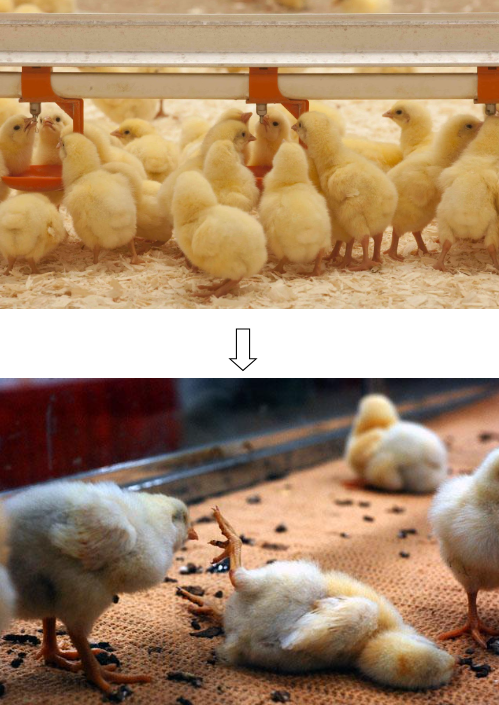
Figure 1. Early chick mortality. Source: Early Chick Mortality
Common causes of early chick mortality
In poultry farming, a mortality rate of 1-5 % is acceptable, while any rate above 5% should alarm the farmer and should seek advice on what could have possibly caused such mortalities and how to prevent this in future. Poor management practices and diseases are the leading causes of early chick mortality (Yadav et al., 2024) (Figure 2).
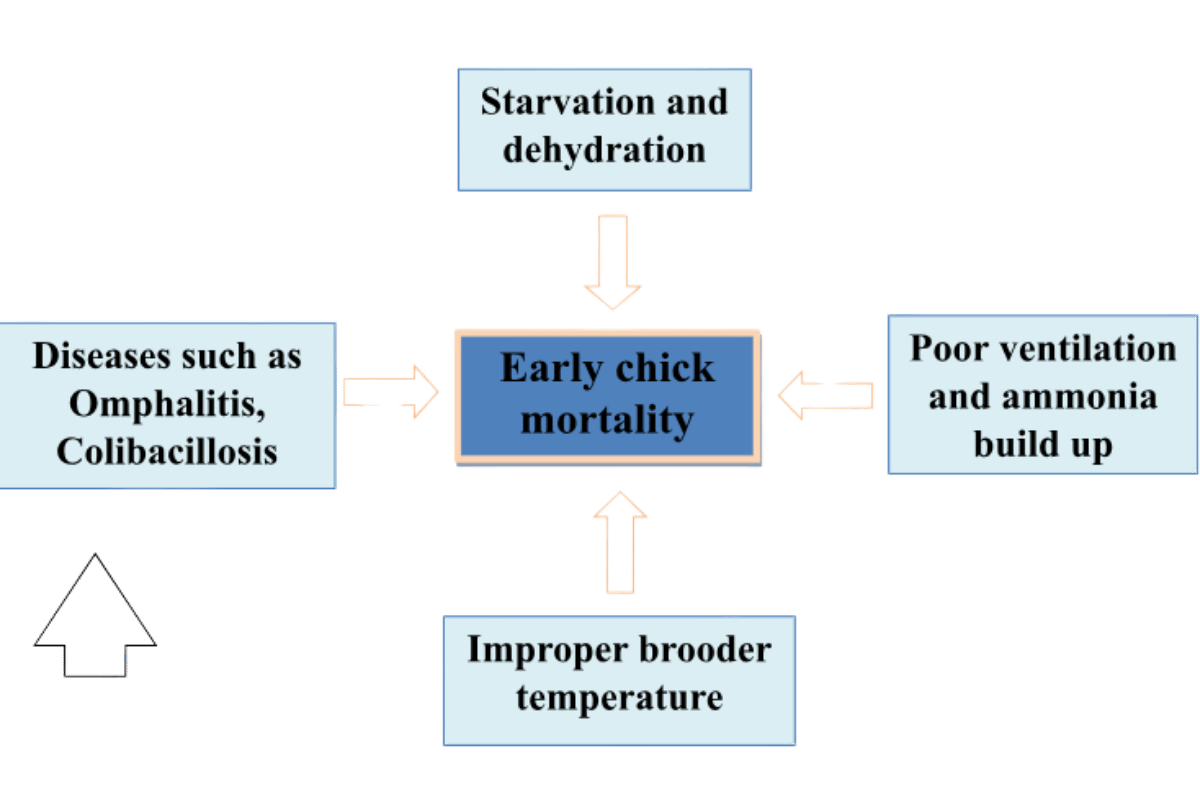
Figure 2. Some causes of early chick mortality
Yolk sac infection and bacterial diseases
Yolk sac infection is one of the most prevalent causes of early chick mortality globally. Rai et al. (2005) found that this condition adversely affects yolk sac weight, chick body weight, and immune response, leading to increased susceptibility to infections. More so, Yadav et al. (2024) reported that the incidence of yolk sac infection peaks during winter and rainy seasons due to favorable conditions for bacterial proliferation. Additionally, colibacillosis, caused by Escherichia coli, contributes significantly to first-week mortality in broilers and layers (Olsen et al., 2012). Similarly, salmonellosis has been identified as a major cause of mortality, particularly in the second week of life (Yadav et al., 2024).
Environmental and management factors
Environmental stressors, such as chilling, are critical contributors to ECM, especially in starter birds during colder months (Yadav et al., 2024). Furthermore, inadequate biosecurity and poor farm management exacerbate mortality rates (Sonaiya, 2009; Muhammad et al., 2010). Yerpes et al. (2020) observed that brooder house conditions, including temperature fluctuations and improper ventilation, significantly influence first-week survival. Chicks exposed to suboptimal temperatures often huddle together, increasing the risk of suffocation, while excessive heat leads to dehydration and pasting (Yadav et al., 2024).
Brooding temperature
A newly hatched chick has downy feathers that are inadequate for warmth provision; hence, it solely depends on the heat source provided in the brooder for its warmth. A farmer should target a temperature range of 32 to 34⁰C in the brooder during the first 48 hours of life. Temperatures below this range cause hypometabolism, immunosuppression, as well as brooder pneumonia or chilling. Furthermore, cold chicks often huddle in one place, usually close to the heat source, thereby suffocating each other to death. On the other hand, high brooder temperature causes dehydration and pasting. Dehydration occurs when a chick loses more than 10% of its body water. Remember that approximately 70% of the body is composed of water. It is paramount that the farmer is alert and watchful, observing chicks' behaviour because this tells a story about the temperature in the brooder.
Starvation and dehydration
Failure to access food and water may lead to nutrient deficiency and dehydration, ultimately resulting in chick death.
Predation
In free-range poultry systems, predation is a major cause of chick loss (Alfred et al., 2012). Additionally, infectious diseases such as aspergillosis and chicken infectious anemia contribute to high mortality rates, particularly in the first week (Yadav et al., 2024; Jha et al., 2012). Müller et al. (2003) also noted that hatching asynchrony in avian species increases disease susceptibility due to immunocompetence disparities among nestlings.
Diseases
Omphalitis is of major concern. The yolk provides nutrition and serves as a source of immunoglobulins after the chick hatches. However, delayed or partial absorption of the yolk creates a suitable environment for bacterial growth, leading to yolk sac infection, also known as omphalitis. This bacterial disease is characterised by inflamed skin around the navel, a soft and flabby abdomen, unabsorbed yolk, as well as an unhealed navel (Hermawan et al., 2017). Although poor hatchery sanitation and hygiene predispose chicks to yolk sac infection, poor farm management also plays a critical role. At the farm level, delayed access to feed and/or water, as well as mismanagement of brooding temperature, promote the growth of bacteria that cause omphalitis.
Genetic and nutritional influences
Genetic selection for rapid growth in broilers has been associated with higher mortality rates, as faster-growing birds are more susceptible to metabolic disorders, such as sudden death syndrome (Gadzama, 2024; Forseth et al., 2024). Siddiqui et al. (2009) described this condition, often referred to as "Flip-Over Disease," as a leading cause of unexplained mortality in rapidly growing broilers. Moreover, nutritional deficiencies in early life have long-term consequences on chick development. Eits et al. (2003) demonstrated that dietary protein intake in the initial growth phase significantly influences later growth performance and immune resilience. Arain et al. (2022) further highlighted the role of nutraceuticals, including amino acids and vitamins, in enhancing post-hatch growth and disease resistance.
What can the farmer do to prevent early chick mortality?
Improving biosecurity measures is essential in reducing disease transmission (Sonaiya, 2009). Proper chick handling and transportation are critical, as prolonged exposure to adverse conditions during transit can lead to dehydration and overheating (Ilemobayo et al., 2024). Ensuring timely access to feed and water within the first six hours of life accelerates yolk absorption and reduces infection risks (Hermawan et al., 2017). Furthermore, maintaining optimal brooding temperatures (32–34°C) and conducting regular crop fill assessments can significantly enhance survival rates (Yadav et al., 2024).
1. Chick source
The first and most crucial step is to purchase chicks from a trusted and reputable supplier. At collection, the farmer should inspect the chicks to ensure that they only take viable, high-quality chicks.
But what is a good quality chick? Figure 3 shows an ideal chick, and it has the following characteristics:
- Has a healed navel (infection often enters through an unhealed or contaminated navel)
- Legs should be clean and waxy
- It should have clean hocks that have no blemishes
- It should have bright eyes and be free from any deformities
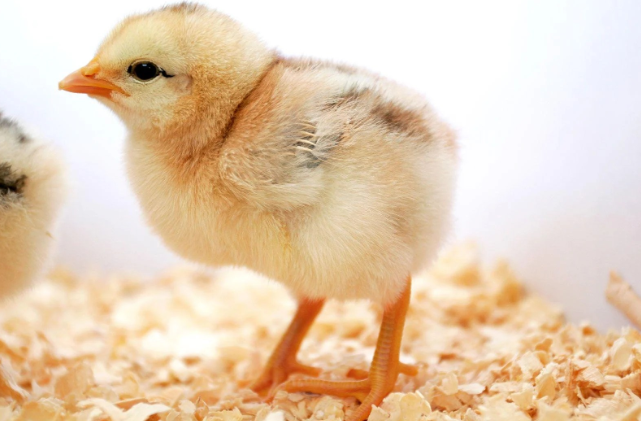
Figure 3. An ideal chick. Source:
2. Chick holding and transportation to the farm
This is a critical factor that is usually overlooked. The quality of a good chick may deteriorate when exposed to hours of adverse environments. Inadequate ventilation and overcrowding of chicks in the box during holding or transportation can lead to overheating and subsequent dehydration (Ilemobayo et al., 2024). Additionally, draughts may cause huddling of chicks in boxes. A well-ventilated, temperature-controlled vehicle would be ideal for chicks’ transportation. Additionally, the temperature in the box should range between 30 and 33 °C while the chick's body temperature is between 39.5 and 40 °C.
3. Optimizing access to feed and water
Fresh water and feed should be provided within the first 6 hours of life. This accelerates yolk metabolism and priming, whereas starvation in the first 12 hours delays metabolism and yolk absorption, increasing the chances of yolk sac infection. Farmers should check that the number of feeders and waters/drinkers match the chick population. Also, feeders and drinkers should be evenly spaced and at a height that is accessible to the chicks. It is advised that a crop fill assessment be done 5-8 hours and 24 hours after chick placement to ensure that chicks are properly hydrated and nourished. At least 95% of chicks should have a full, soft, and round crop 24 hours after chick placement.
4. Optimum brooding temperature
It is also paramount to maintain an optimum brooding temperature that is between 32 -34 oC. Chicks that are adequately warm are evenly spaced in the brooder.
5. Biosecurity
It is essential to note that any individual or object can be a source of infection, as illustrated in Figure 4. Therefore, it is crucial to adopt strict biosecurity measures and consistently adhere to them, such as maintaining culture. Also, it is paramount to clean and disinfect the poultry houses, feeders, and drinkers. Biosecurity measures, such as restricting access to poultry houses, wearing protective clothing when visiting poultry houses, providing a foot bath and/or vehicle spray, and eliminating wild birds, should be implemented.
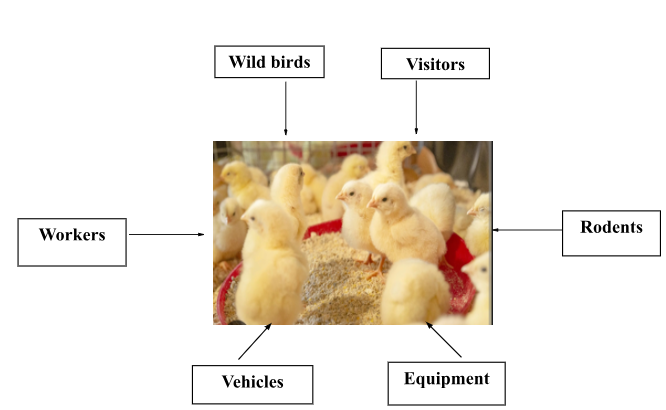
Figure 4. The various sources of infection
Conclusion
Early chick mortality is a common challenge on poultry farms influenced by infectious diseases, environmental stressors, genetic factors, and management practices. Addressing these challenges through improved biosecurity, optimized nutrition, and proper brooding conditions can substantially reduce mortality rates, enhancing both animal welfare and farm profitability. Purchasing good quality chicks, proper handling and transportation, timely provision of feed and water, as well as proper management of brooding temperature, are some of the key factors that help prevent early chick mortality. Implementing these strategies ensures sustainable poultry production and minimizes economic losses associated with ECM.
References
- Alfred, B., Msoffe, P. L. M., Kajuna, F. F., Bunn, D., Muhairwa, A. P., & Cardona, C. J. (2012). Causes of losses in free range local chickens following control of Newcastle disease in three villages in Morogoro, Tanzania. Tropical Animal Health and Production, 24(7). Retrieved from Record Uri – Scopus
- Arain, M. A., Nabi, F., Marghazani, I. B., Hassan, F. U., Soomro, H., Kalhoro, H., Soomro, F., & Buzdar, J. A. (2022). In ovo delivery of nutraceuticals improves health status and production performance of poultry birds: A review. World's Poultry Science Journal, 78(3), 765-788.
- Eits, R. M., Kwakkel, R. P., Verstegen, M. W. A., & Emmans, G. C. (2003). Responses of broiler chickens to dietary protein: Effects of early life protein nutrition on later responses. British Poultry Science, 44(3), 398-409.
- Forseth, M., Moe, R. O., Kittelsen, K., & Toftaker, I. (2024). Mortality risk on farm and during transport: A comparison of 2 broiler hybrids with different growth rates. Poultry Science Journal, 103(3), Article 103395.
- Gadzama, I. U. (2024). Improving Broiler Chicken Production Trends and Techniques. Wikifarmer. Available online: ResearchGate publication 384293335
- Hermawan, F. A., Zega, D. I. S. N., Triatjaya, Y., Khairani, S., & Pratiwi, U. (2024). Anatomical pathology features in day-old chicks with omphalitis. ARSHI Veterinary Letters, 8(3), 53-54..
- Ilemobayo J. A. (2024). Factors Influencing Chick Quality in Broilers: A Comprehensive Review.
- Jha, D. K., Prasad, S., Mahto, D., Soren, S. K., Bachan, M., & Kumar, M. (2012). Disease incidence in poultry under intensive management. International Journal of Poultry Science, 89(10), 39-41. Retrieved from Record Uri – Scopus
- Muhammad, M., Muhammad, L. U., Ambali, A. G., & Mani, A. U. (2010). A survey of early chick mortality on small-scale poultry farms in Jos, central Nigeria. International Journal of Poultry Science, 9(5), 446-449.
- Müller, W., Dijkstra, C., & Groothuis, T. G. G. (2003). Inter-sexual differences in T-cell-mediated immunity of black-headed gull chicks (Larus ridibundus) depend on the hatching order. Behavioral Ecology and Sociobiology, 55(1), 80-86.
- Olsen, R. H., Frantzen, C., Christensen, H., & Bisgaard, M. (2012). An investigation on first-week mortality in layers. Avian Diseases, 56(1), 51-57.
- Rai, M. F., Khan, S. A., Aslam, A., & Saeed, K. (2005). Effects of yolk sac infection in chicken. International Journal of Poultry Science, 16(2), 87-93.
- Siddiqui, M. F. M. F., Patil, M. S., Khan, K. M., & Khan, L. A. (2009). Sudden death syndrome - An overview. International Journal of Poultry Science, 2(11), 444-447. Retrieved from Record Uri – Scopus
- Sonaiya, E. B. (2009). Some technical and socioeconomic factors affecting productivity and profitability of smallholder family poultry. World's Poultry Science Journal, 65(2), 201-205.
- Yerpes, M., Llonch, P., & Manteca, X. (2020). Factors associated with cumulative first-week mortality in broiler chicks. Animals, 10(2), Article 310.
- Yadav, P. K., Shah, S. A., Shafi, M., Kamil, S. A., Mir, M. S., Rather, M. A., Ganaie, A. A., & Wani, Z. A. (2024). Etiological and histomorphological studies on early chick mortality in broiler chicken in Kashmir, India. Open veterinary journal, 14(11), 3037–3046.