When data stops being a dashboard and starts becoming a habit
There is a moment in every greenhouse when the noise fades, and you finally notice the pattern.
Sometimes, the water temperature rises a bit too much every afternoon. Sometimes it is that one row of lettuce that struggles no matter how much care it receives. And sometimes it is the realisation that you rely more on screenshots and WhatsApp photos than actual records.
Most growers do not wait for technology to fix things. They adjust, compensate, and improvise. Yet the farms that quietly perform better than everyone else usually share one thing in common.
They reach the point where data is no longer a dashboard. It becomes a habit, like checking the lock before leaving home.
It does not feel fancy. It is not marketed as intelligent automation. It is simply farming with fewer blind spots.
The tools that do not shout, they just work
Every season brings a new wave of agtech promising miracles.
Most of it fails by Day 3 or demands a full-time engineer to operate.
Then you come across tools that feel less like software and more like a reliable farm worker who never asks for breaks and never disappears during holidays.
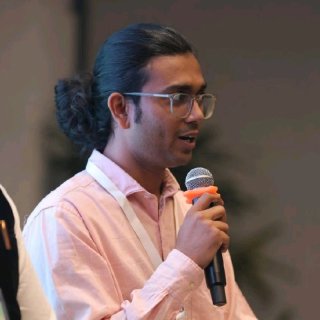
At the Global Vertical Farming Show in Dubai, INNOFarms.AI stood out for exactly this reason. No noisy presentations. No impossible promises. Just a practical system that quietly handles the tasks growers rely on most: crop scouting, climate logs, stress detection, and harvest timing.
It felt like technology designed for real protected cultivation. Not to outsmart the grower but to reduce those stressful firefighting moments.
If the future of greenhouse farming is heading anywhere, it is toward tools that provide clarity rather than more dashboards.
When data actually changes grower behaviour
Most growers I know fall into one of two groups.
The collector
Loaded with sensors, apps, and charts, but still operating mostly on gut instinct.
The converter
Spot a single trend, and everything in the greenhouse shifts.
Like the basil farmer in Ahmedabad, who moved his harvest day after realising that night temperatures disrupted nutrient uptake. Or the greenhouse owner who changed irrigation cycles because his EC drift graph finally revealed what his eyes could not.
You do not need to be tech-savvy. You just need to recognise the pattern you have been silently fighting for months. That is when data stops being information and becomes experience you can actually use.
The rules nobody talks about
A few things are always true inside controlled environment agriculture.
- Data should move automatically, not depend on someone typing logs at midnight.
- Alerts should be practical, not dramatic.
- AI suggestions should sound like advice from a senior grower, not a conference speaker.
- Instinct will always matter. Good tools only sharpen it.
Protected cultivation is not about collecting data. It is about avoiding avoidable problems.
Final thought
The next phase of agriculture will not be shaped by who has more sensors or more advanced algorithms. It will be shaped by tools that fit naturally into a grower's daily rhythm.
Because once your greenhouse begins giving you small, steady moments of clarity, without predictions or promises, just clarity, that is when technology stops being a gadget and becomes part of the way you grow.