Ethylene is a natural plant hormone that plays a central part in fruit ripening. Uncontrolled exposure after harvest, though, speeds up ageing, softening and yellowing, and eventually costs the farmer quality and money. The good news is that most of that damage can be limited with simple handling practices rather than expensive equipment.
What is ethylene?
Harvesting fruit or vegetables does not stop the biological processes inside them. They keep respiring, losing water, changing colour, softening and ageing, and ethylene is one of the substances driving those changes.
Ethylene is a naturally produced gas that acts as a plant hormone. Its main role is to regulate ripening, ageing and the shedding of leaves, flowers and fruit.
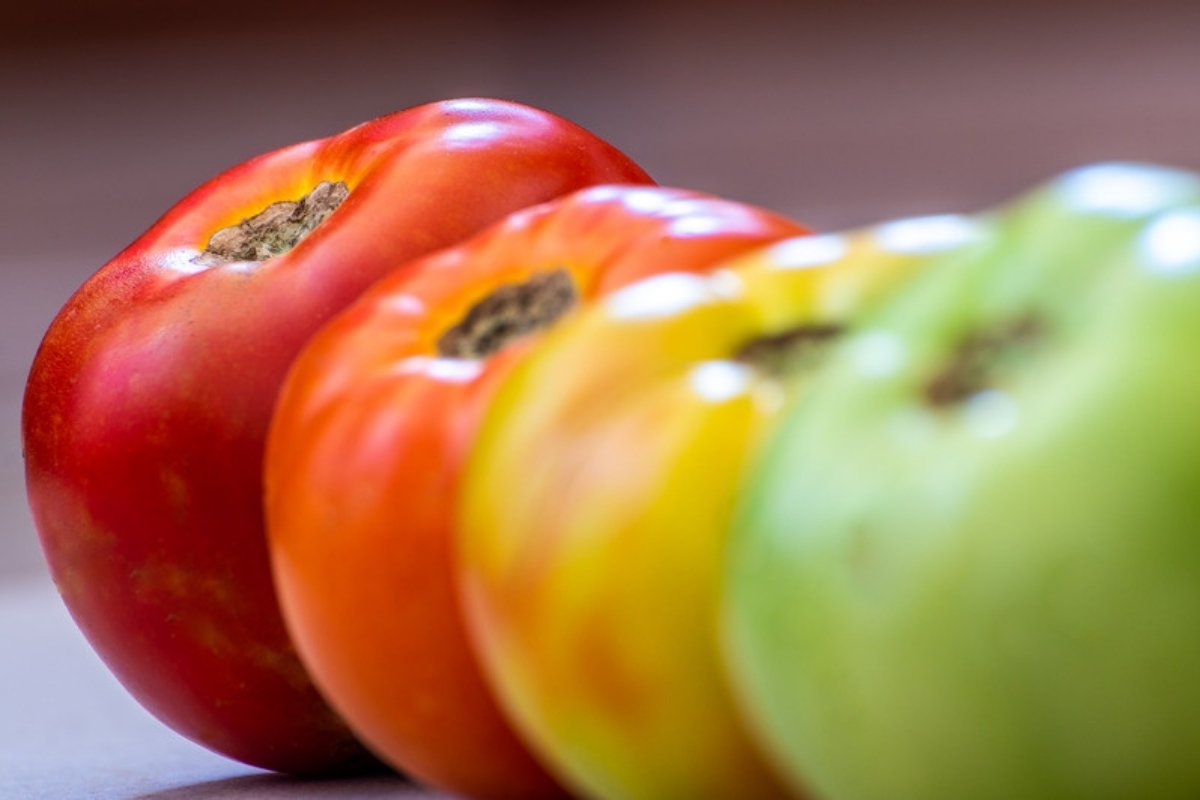
Some fruits, known as climacteric fruits because they keep ripening after harvest, produce considerably more ethylene as they ripen. They include bananas, mangoes, avocados, apples, pears, papayas and tomatoes.
Non-climacteric fruits such as citrus, grapes and strawberries do not ripen further after harvest in the same way, and many vegetables, leafy greens among them, are not ripening at all. All of them can still be damaged by ethylene given off by other produce. Cucumbers and broccoli, for instance, yellow faster when stored next to ripening fruit.
Controlled, ethylene is useful. Climacteric fruits can be harvested before they are fully ripe, transported, and then exposed to ethylene closer to the market, which gives more uniform ripening and less damage in transit.
Uncontrolled, it causes problems in storage and transport. It accelerates softening and ageing, strips the green colour from vegetables and other plant tissue, and leaves produce more open to decay. How serious the effect is depends on the crop, the ethylene concentration, the temperature and how long the exposure lasts.
How can farmers limit the damage?
Most of the work comes down to handling, and none of it needs specialised equipment.
Store compatible crops together
Where possible, avoid storing large quantities of ethylene-producing fruit with ethylene-sensitive vegetables. The small-scale postharvest manual by Kitinoja and Kader groups crops that can share storage by their temperature, humidity and ethylene requirements, and it is a useful reference when deciding what goes where.
A small farm without several storage rooms can still separate crops. Keep ripening climacteric fruit away from the sensitive produce in the same store.
Improve ventilation
Because ethylene is a gas, moving fresh air through a store stops it accumulating by replacing ethylene-laden air with fresh air.
Both the storage room and the containers holding the produce need adequate ventilation. Good airflow also carries away heat and the other gases produced by respiration, which helps shelf life further.
Ventilation has to suit the crop and local conditions, though, because too much airflow increases water loss from some produce.
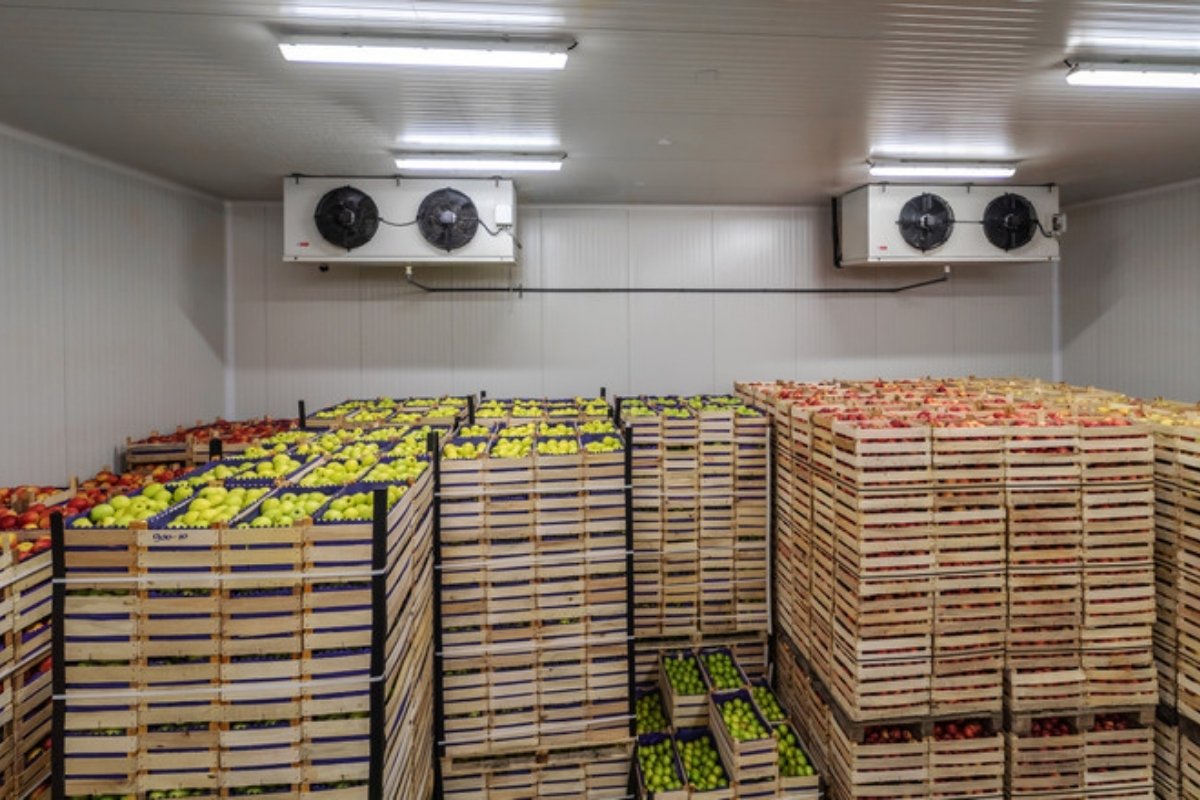
Good airflow in a store stops ethylene from building up around the produce.
Keep produce at the right temperature
Cooler conditions slow most biological processes, including respiration, ethylene production and the crop's response to ethylene. Colder is not always better, however. Tropical and subtropical crops such as bananas, mangoes and avocados are damaged by temperatures that are too low, and bananas, for example, suffer chilling injury below about 13°C.
The right storage temperature therefore depends on the crop, and crop-specific recommendations are safer than one temperature for everything.
Handle produce carefully
Bruises, cuts and other injuries stimulate ethylene production and accelerate deterioration. Minimising damage at harvest extends shelf life in storage.
Before produce goes into store, sort out severely damaged, diseased or decaying units and keep them apart from sound ones, so they do not speed up deterioration in the rest.
Harvest at the right maturity
Maturity at harvest matters most for climacteric fruit, which can be picked once physiologically mature but before fully ripe, and left to ripen afterwards with the help of their own ethylene.
Picked too early, though, a fruit may not yet be able to produce enough ethylene to ripen properly, and its eating quality will be poor.
It is worth learning the maturity indicators for each crop, whether size, colour, firmness, days after flowering or another crop-specific sign.
Remove overripe produce
A single overripe fruit can speed up ripening in the produce around it. As fruit ripens and starts to deteriorate its ethylene output rises, so farmers, traders and storage workers should check stored produce regularly and take out anything overripe.
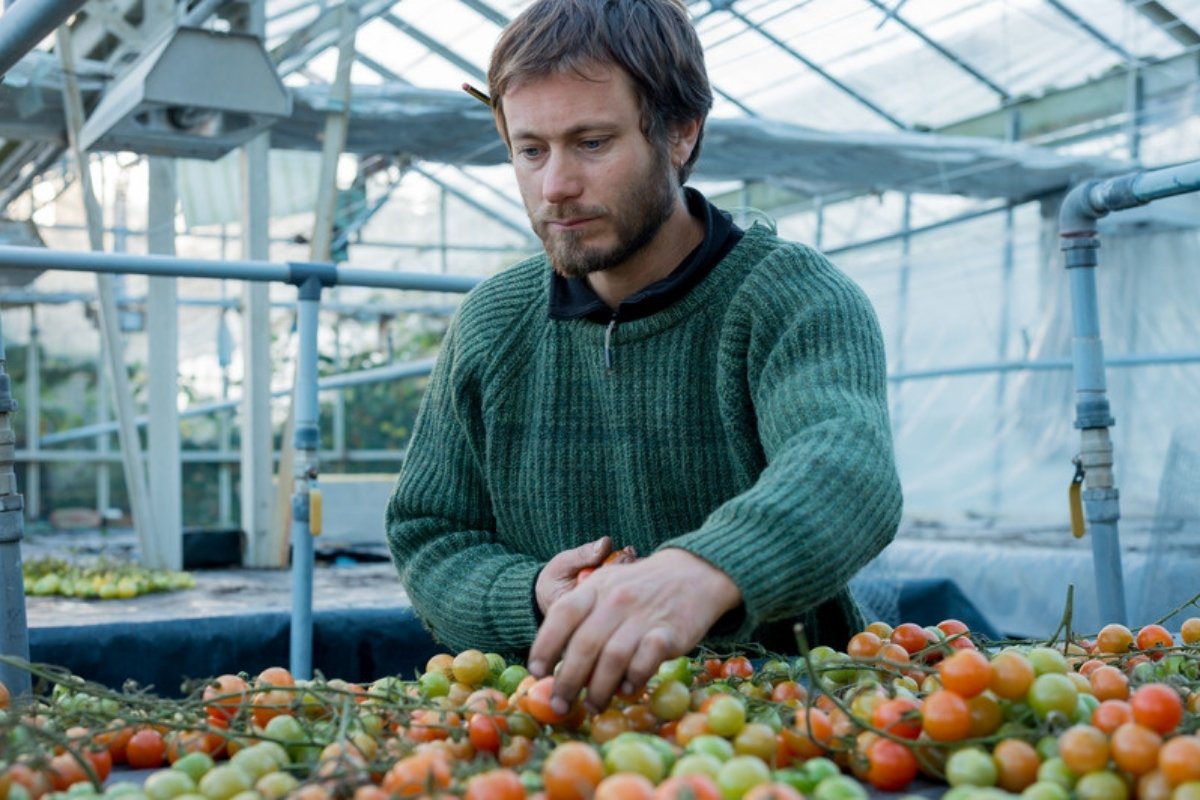
Checking stored produce regularly and taking out anything overripe protects the fruit around it.
Consider ethylene control products for larger operations
Commercial farms, packhouses and storage facilities that hold produce for longer can use products designed to deal with ethylene directly. Scavengers, such as sachets based on potassium permanganate, remove ethylene from the air, and some are built into packaging while others sit within the storage system. Other treatments work by blocking the fruit's response to ethylene rather than removing the gas. A review by Ebrahimi and colleagues sets out how these approaches compare.
Whatever product is used, follow the manufacturer's instructions for it.
Managing ethylene rather than fighting it
Ethylene is a normal and important part of how produce behaves after harvest. It ripens fruit and can itself be used to control ripening.
When it builds up unchecked around sensitive crops, however, it accelerates the changes that lower quality, which means food lost or wasted and money lost by the farmer. Managing it well is how farmers keep produce in good condition from the field to the buyer.
Sources
Ebrahimi, A., Zabihzadeh Khajavi, M., Ahmadi, S., Mortazavian, A., Abdolshahi, A., Rafiee, S., and Farhoodi, M. (2022). Novel strategies to control ethylene in fruit and vegetables for extending their shelf life, a review. International Journal of Environmental Science and Technology, 19(5), 4599-4610.
Kitinoja, L., and Kader, A. A. (2003). Small-scale postharvest handling practices, a manual for horticultural crops, 4th edition. University of California, Davis, Postharvest Horticulture Series 8E.