
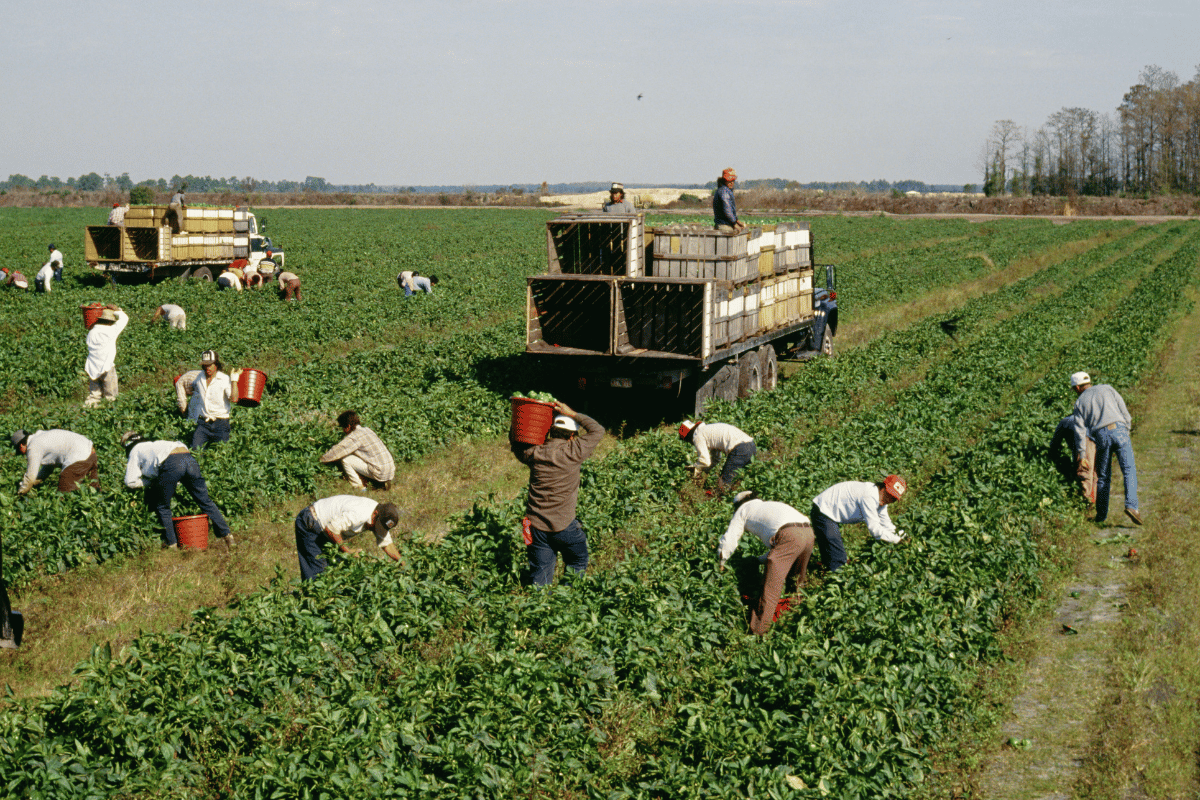
When I first started learning about carbon markets, I assumed the difficult part would be measuring carbon. It turned out to be sitting with farmers.
The hard work was explaining why they needed to keep records, why the same field had to be visited again and again, why a tree planted today might have to be monitored for years, and why one missing photograph or GPS point could cause problems long afterwards. That was when I understood something that has shaped how I work ever since. MRV does not begin with software. It begins with people.
What MRV actually is, and where it really starts
In carbon projects, MRV stands for measurement, reporting, and verification. It is the process that proves a project has genuinely stored or avoided carbon, so that the resulting carbon credits mean something to the buyer and to the climate. In practice, it means measuring what is happening in the field, recording it consistently over the life of the project, and having it checked by an independent party.
There is a lot of discussion at the moment about digital MRV, satellite monitoring, artificial intelligence, and dashboards. These tools are genuinely valuable, and they often get more attention than the farmers who make climate projects possible in the first place. But a dashboard cannot grow biomass, improve soil health, or persuade a farmer to adopt regenerative practices. It can only record what has already happened in the field. The measurement is the easy part once the field work is right. Getting the field work right is the whole challenge.
Why I keep the data close to the project
Over the years, I have also grown cautious about depending entirely on third-party platforms. Carbon projects often run for ten, twenty, or even thirty years. Technology companies, over that kind of horizon, may change direction, discontinue a product, or stop operating altogether. If that happens, a project developer should not lose access to years of monitoring data. That is why I prefer to build my own digital MRV workflow, so the data stays with the project and not only with the software provider.
For a farmer weighing up a carbon project, this is worth asking about directly. Who holds the monitoring data, and what happens to it if the platform disappears. Long projects need their records to outlive whatever tool is being used to collect them today.
Carbon credits are the result, not the starting point
The biggest lesson I have learned is that carbon credits come at the end of the process. The starting point is farmer education. When farmers understand why measurements matter, why records have to be consistent, and how better land management improves both their productivity and the environment, data collection becomes far easier. At that point the technology starts supporting the work instead of trying to drive it.
This is also why consistent record-keeping and documentation sit at the heart of every certification methodology. A project stands or falls on whether the same field data is captured the same way, season after season, by people who understand why it matters. A farmer who sees the point of the GPS point and the photograph takes them properly. A farmer who does not, will not, and no amount of software fixes that.
The field is where the real work happens
In my experience, successful climate projects are not built by software engineers working alone. They take agronomists, field officers, local communities, and farmers working together across many seasons. The practices that actually store carbon, from reduced tillage to cover cropping to regenerative land management, happen in the soil and are carried out by people, not platforms.
Technology is an enabler, and it earns its place when it supports that work. But it is the field, and the relationships built there, that decide whether a carbon project delivers. If we forget that, even the most sophisticated MRV system will produce beautiful dashboards and very little real climate impact.