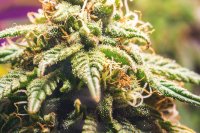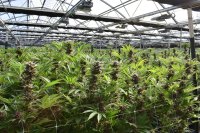
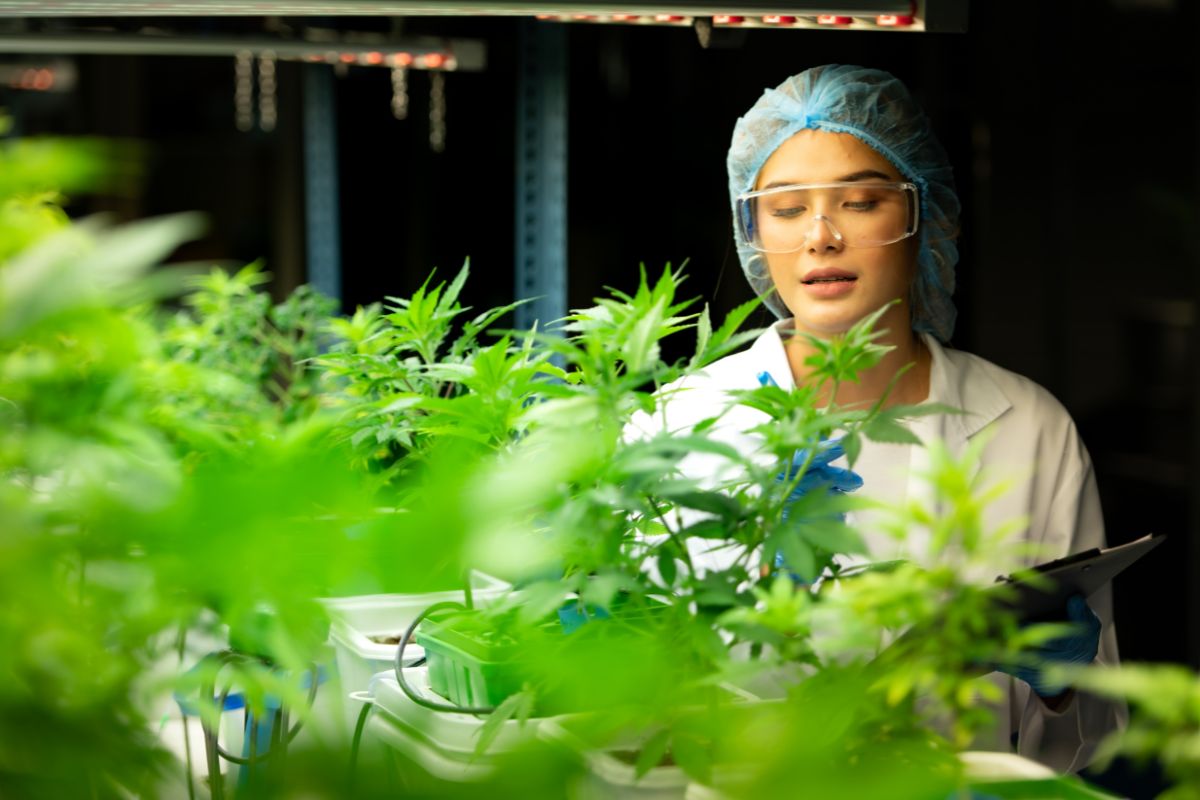
Cannabis has been a subject of discussion and regulation across different societies. Some recognize its potential for medical applications, others for industrial uses like hemp production, and many associate it with recreational use. While it may not be embraced universally, cannabis continues to play an increasing role in various industries and cultures. Given its persistence and evolving presence, this article explores the plant's regional variations, regulatory landscape, and popular varieties.
Regional Variations
Cannabis, or Cannabis sativa L., is believed to have originated in Central or Western Asia. The environmental conditions in these regions provide insight into its early adaptation—abundant sunlight, mountainous terrain with well-drained soil, and strong winds. Due to these factors, cannabis primarily relies on wind for pollination rather than insects. In fact, pollen has been observed traveling across vast distances, even between continents. Over time, human migration facilitated its spread, with different cultures integrating it into their practices to varying degrees.
Throughout history, societies have maintained different relationships with agriculture and plant use, including cannabis. In some regions, plants with psychoactive properties have been viewed with skepticism, often leading to restrictions and regulatory measures. The evolution of these regulations provides insight into cannabis’s status across the world today.
Restrictions
Cannabis prohibition has been shaped by a variety of social, political, and economic factors. In the early 20th century, the United States played a significant role in initiating widespread restrictions, with policies that influenced other countries through economic and diplomatic channels. Over time, many nations implemented similar prohibitions, limiting the production, sale, and consumption of cannabis.
However, recent years have seen a shift in attitudes and policies. Some countries, such as Canada, Uruguay, and Portugal, have adopted more permissive approaches, legalizing cannabis for medical or recreational use. In the United States, cannabis policies vary at the state level, with an increasing number of states legalizing or decriminalizing it. Despite these changes, regulations continue to fluctuate, with some jurisdictions adjusting tax policies or considering potency limits. Given these complexities, individuals interested in cannabis should stay informed about local laws. Organizations such as NORML provide resources for understanding regional regulations (you can filter by your location. Just as with so many other plants, restrictions on it have had a large influence on the varieties (or genetics, rather) available).
Popular Varieties
The cultivation and breeding of cannabis have been shaped by both legal constraints and market demand. For much of its history, cannabis breeding occurred underground, making it difficult to track the full scope of genetic development. Today, with legal markets emerging, breeders have greater opportunities to refine and develop new varieties.
Cannabis varieties are often categorized into "sativa" and "indica" types, though there is ongoing debate regarding whether these distinctions reflect true genetic differences or are simply broad classifications. Generally, indica varieties are characterized by shorter, bushier plants with broader leaves, whereas sativa varieties tend to be taller with thinner leaves. These classifications have influenced consumer preferences, with indica strains often associated with relaxing effects and sativa strains linked to more energizing experiences. However, the relationship between strain classifications and effects is not fully understood, and further scientific research is needed to clarify these distinctions.
Beyond traditional classifications, there is growing interest in specific cannabinoids such as CBN, CBG, and THC-V, which may offer various therapeutic applications. The cannabis industry continues to evolve, with both consumer-driven trends and medical research shaping the varieties available.
Conclusion
Cannabis has played a role in human history for centuries, and its presence continues to expand globally. While regulatory approaches vary, the plant remains significant in medical, industrial, and recreational contexts. Its future will likely be shaped by ongoing scientific research, cultural attitudes, and policy changes. As interest in cannabis grows, understanding its history, regulations, and varieties will be essential for those engaging with the plant in any capacity.
Further reading
Cannabis: classification, uses, and cultivation
The 3 most Popular Fiber Plants
Comprehensive Guide to Plant Fibers: Types, Properties, and Examples