Bio-LUSH project drives sustainable bio-based innovation and utilization of underexploited biomass feedstocks
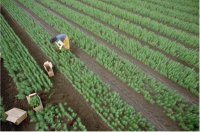
The Bio-LUSH project, launched in May 2023, supports the establishment of a sustainable biofibrous economy and manufacturing sector in Europe. It utilizes underexploited biomass feedstocks, such as hemp hurd, forest residues, nettle, and seagrasses, to provide ecological benefits and avoid competition with food production. The project optimizes biomass value chains, develops green processing methods, and employs traditional breeding techniques to enhance the properties of these feedstocks, thereby supporting a sustainable economy.
Using underexplored biomass feedstocks for low-impact production
"Our goal is to maximize the utilization of underexploited biomass feedstocks and convert them into high-quality fibers for a range of biobased applications," said Dr. Aji Mathew, Coordinator of the Bio-LUSH Project and professor at Stockholm University. "With its low capital expenditure, Bio-LUSH offers a cost-effective solution suitable for small-scale productions. This approach allows for the processing of regionally collected materials, reducing transport costs and greenhouse gas emissions.
Bio-LUSH brings several key innovations to the bio-based economy by intelligently utilizing novel plant feedstock and adopting 'safe by design' and 'circular by design' principles. It maximizes the value of biofibrous resources, aligning with zero pollution goals. The project introduces 'quality indexing' and 'sustainability indexing' for efficient decision-making, benefiting biobased SME’s, industries, and manufacturing. Leveraging data collection and analysis, machine learning tools optimize biobased material design, enabling data-driven material development and innovation.
Another objective of Bio-LUSH is to scale up biofibers to meet specific processing and performance requirements in manufacturing. These versatile fibers find applications in melt processing, spinning, 3D printing, and other manufacturing processes. "Our industrial partners have been actively engaged in the transition to a biofibrous economy, recognizing it as a sustainable lifestyle for future generations," added Dr. Mathew.
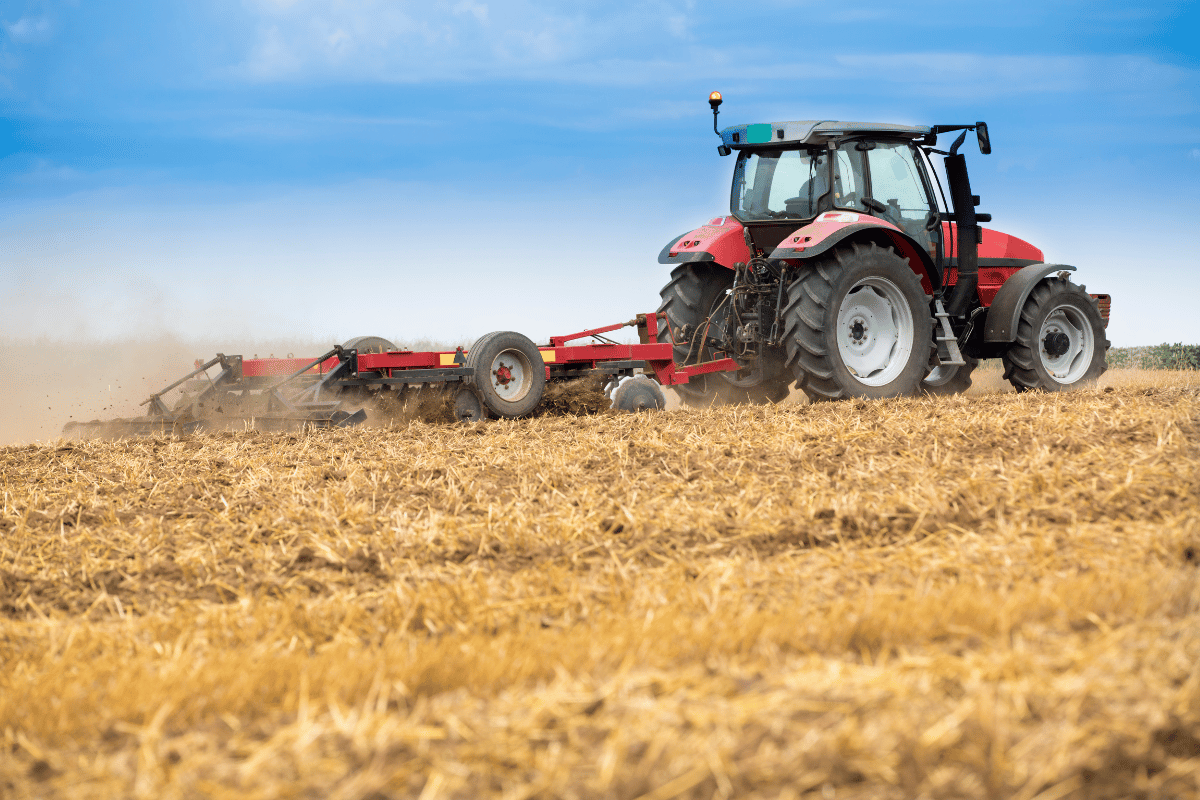
"We have implemented a range of activities to foster social acceptance and drive market adoption, all supported by a dedicated business plan," emphasized Maja Fišić, Bio-LUSH Communications Manager. "Through collaboration with agro-sector and farmer communities and ensuring access to EU feedstock, Bio- LUSH promotes regional material processing while minimizing environmental impact. These efforts propel the bio-based industry forward, creating tangible business opportunities for a sustainable future."
Led by Stockholm University, Bio-LUSH brings together research, industry, policy, scientific and technical leaders in a consortium that includes VTT Technical Research Centre of Finland, Institut technologique FCBA, IVL Swedish Environmental Research Institute, InoSens, Paperplat, Spinnova, IMA, UNILEVER, XYLEM SERVICES, AB ENZYMES, and Empa. Through a user-centered approach, Bio-LUSH prioritizes close collaboration and testing with end-users throughout the design and development process. This dynamic consortium is committed to delivering practical results that meet the evolving needs of industry, providing optimal responses for maximum impact.
For technical inquiries about the project, reach out to: Aji Mathew, Project Coordinator [email protected]
For general information and press inquiries: Maja Fišić, Bio-LUSH Communications Manager [email protected]