


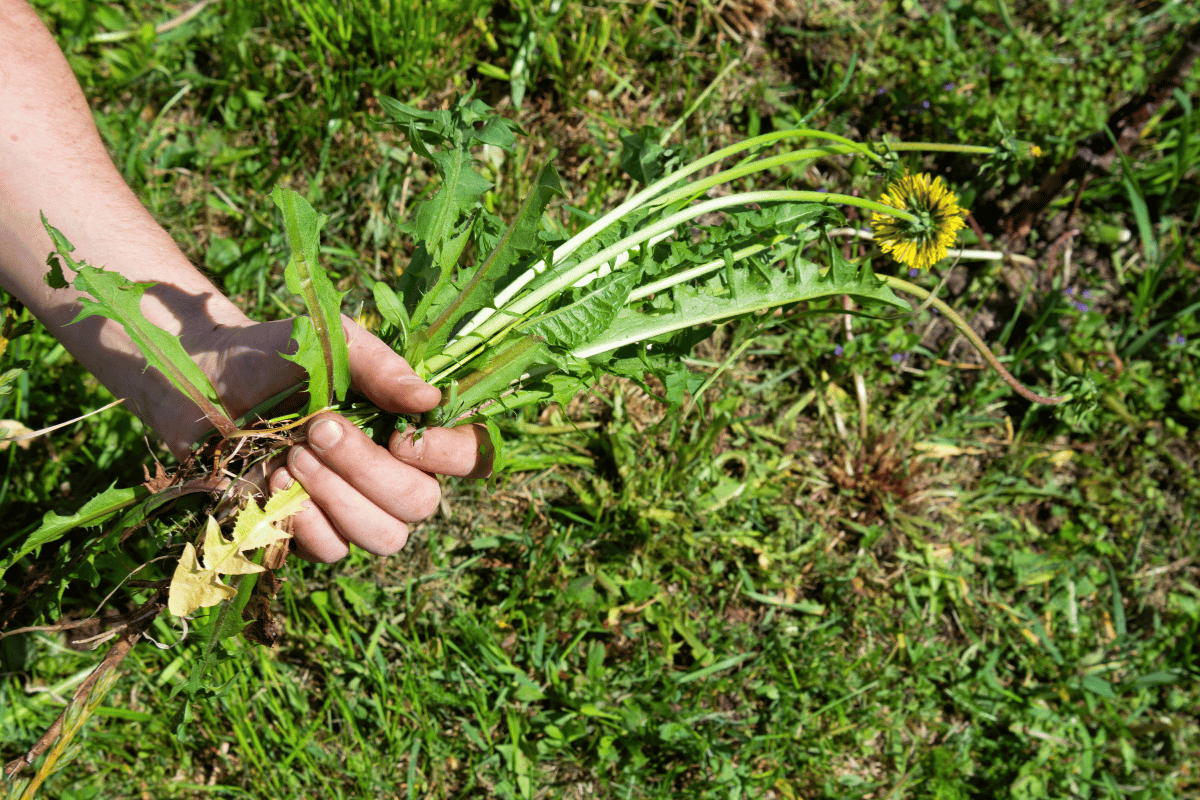
Rethinking weeds, soil health, and regenerative agriculture in Lesotho
Weeds are commonly defined as plants that grow where they are not wanted. Farmers often believe they compete with crops for water, nutrients, and sunlight, leading to reduced yields. But is this always true?
In Lesotho, farmers traditionally hand hoe, pull, and kill weeds so that the main crop thrives. This practice has become deeply embedded in farming culture. However, over time, the soil has become severely depleted. The topsoil has eroded, nutrients have disappeared, and farmers now face poor harvests, chronic hunger, and persistent poverty.
Should we be pulling, hoeing, and killing weeds?
To answer this, we must look at the role of weeds in soil health.
Weeds, like all plants, produce food through photosynthesis. Using sunlight, water, and carbon dioxide, they create glucose which is the basic molecule of life. This energy not only sustains the plant but also feeds soil microorganisms through root exudates, a process where plants release organic compounds into the surrounding soil. Research shows that plants excrete up to 40% of their photosynthetic products through their roots to feed beneficial soil microbes. These microbes, in turn, make nutrients available for crop roots through natural nutrient cycling processes, improving fertility and supporting crop growth.
Soil microorganisms, including nitrogen-fixing bacteria such as Azotobacter and Rhizobium, work symbiotically with plant roots to convert atmospheric nitrogen into forms plants can use. Additionally, phosphorus-solubilizing bacteria and mycorrhizal fungi help break down organic matter and cycle essential nutrients like phosphorus and potassium. This underground ecosystem becomes more active and diverse when various plants, including weeds, contribute organic matter to the soil.
In simple terms: more plants, including weeds, can mean more nutrition and fertility for the main crop.
Yet, in Lesotho, industrial agriculture remains dominant. Most farmers and policymakers still view weeds as enemies. A shift is needed—toward regenerative agriculture and sustainable land use practices. These approaches restore land, improve soil fertility, and increase crop yields.
The devastating effects of bare soil without vegetation cover
When weeds and other vegetation are completely removed, the land becomes exposed. This leads to several destructive effects:
1. Soil erosion (by water and wind)
Without roots to hold soil in place, particles are easily washed or blown away. Conservation agriculture practices can reduce soil erosion by 67-80% compared to conventional tillage systems. The root systems of even unwanted plants help bind soil particles together, creating stable soil aggregates that resist erosion.
2. Loss of soil moisture
Bare soil loses water quickly through evaporation, leaving it dry and less fertile. Research demonstrates that maintaining plant cover can increase soil water content by 5.9% through residue retention and reduced evaporation. Even weeds contribute to this moisture conservation by shading the soil surface.
3. Decline in soil life
Microorganisms, earthworms, and insects depend on organic matter from plants. Without plant cover, biodiversity declines, and soil becomes lifeless. Studies show that soil microbial biomassHow Conservation Agriculture can help Agribusinesses in Climate Change Mitigationcan increase by 29-56% in systems with continuous plant cover compared to bare soil. This includes beneficial insects like earthworms that improve soil structure and beneficial bacteria that support plant health.
This is the reality in much of Lesotho today.
What can farmers do instead?
Permanent soil cover
Plant cover crops such as grazing vetch, which can fix 150-200 kg of nitrogen per hectare annually, rye that produces high biomass for soil organic matter, and oats that improve soil structure through their fibrous root systems. These crops protect soil, add nutrients, and improve fertility during off-seasons. Research shows that diversified crop rotations with cover crops can increase soil organic carbon by 41-59% compared to simple two-crop rotations.
Leguminous cover crops like vetch form symbiotic relationships with Rhizobium bacteria, naturally fixing atmospheric nitrogen and reducing the need for synthetic fertilizers. Legumes can sequester approximately 0.90 Mg C per hectare per year, contributing more carbon to soil systems than grass cover crops.
Mulching
Cover bare soil with straw, wood chips, leaves, or grass clippings. Organic mulches provide multiple benefits including weed suppression, habitat for beneficial insects, improved soil water retention, protection from temperature extremes, and reduced soil erosion. As organic mulches decompose, they release nutrients like potassium, nitrogen, phosphorus, and trace elements directly into the soil, improving organic matter content and water-holding capacity.
Terracing and contour farming
Building terraces or planting along contour lines slows water runoff and prevents erosion. In permaculture, swales (water-harvesting trenches built on contour) are widely used to capture and store rainfall in the soil. These shallow, level ditches slow down runoff and help recharge groundwater, creating microclimates for enhanced plant growth.
Progressive terracing, known as fanya-juu (making upward) terraces in Kenya, involves throwing soil up the slope to create ridges and establishing protective grass cover and nitrogen-fixing shrubs. This method provides short-term water conservation benefits while building long-term soil fertility through organic matter accumulation.
Erosion control structures
Installing silt fences or check dams in high-risk areas reduces erosion.
Controlled grazing
Overgrazing is a major cause of land degradation in Lesotho. Rotational grazing systems involve moving livestock between different pasture sections, allowing each area time to regenerate before animals return. This practice prevents overgrazing, promotes healthier pasture growth, improves soil carbon sequestration, and enhances the nutritional quality of pastures.
Silvopasture systems that combine livestock production with tree planting provide additional benefits, as trees offer shade and shelter for animals while the animals help fertilize the trees through their manure.
Managing weeds alongside crops
While weeds can benefit soil, it is important to manage them wisely. If left to grow taller than crops, they may block sunlight, which is essential for photosynthesis. Farmers should ensure that weeds remain below crop height to prevent direct competition.
Climate-smart and regenerative food systems
While weeds can benefit soil, it is important to manage them wisely. If left to grow taller than crops, they may block sunlight, which is essential for photosynthesis. Farmers should ensure that weeds remain below crop height to prevent direct competition.
Strategic intercropping and companion planting can help manage weeds naturally while maintaining their soil benefits. For example, the traditional "Three Sisters" combination of maize, beans, and squash creates a system where beans climb cornstalks for support, maize provides structure, and squash spreads across the ground to suppress weeds while maintaining soil moisture. This polyculture approach produces higher total yields than monocultures while reducing pest populations through natural diversity.
Push-pull systems using plants like Desmodium between maize rows can repel stem borer moths while suppressing parasitic weeds like Striga. These companion plants provide weed management benefits while still contributing organic matter and supporting beneficial soil microorganisms.
Regenerative agriculture and climate-smart farming can achieve multiple benefits simultaneously :
- Improve yields while restoring soil health through practices that increase soil organic matter by 83.7% and enhance nutrient availability
- Turn farmland and pastures into carbon sinks, with healthy agricultural soils sequestering up to 10 metric tons of carbon per hectare annually
- Reduce deforestation and fertilizer overuse by supporting natural nutrient cycling through beneficial soil microorganisms
- Build sustainable supply chains and reduce waste through integrated farming systems that create circular nutrient flows
Natural climate solutions could deliver up to 37% of the mitigation needed to meet 2030 climate goals. Yet less than 2% of climate finance currently supports agri-food solutions.
A recent EU forum report found that greenhouse gas emissions could be lowered by 6% annually if just one-fifth of EU farmers transitioned to regenerative practices. Conservation agriculture alone can reduce greenhouse gas emissions while significantly enhancing soil organic carbon levels, acting as a carbon sink and sequestering substantial amounts of CO₂ from the atmosphere.
Scaling such efforts requires investment, technology adoption, and strong partnerships.
Conclusion
Weeds play a vital role in maintaining soil health by feeding microorganisms and protecting against erosion. Instead of pulling and destroying them completely, farmers should integrate weeds into sustainable systems that balance soil fertility and crop growth.
When farmers in Lesotho and beyond start practicing regenerative and climate-smart agriculture, they can secure fertile soils, better harvests, and food security for future generations.
References
- World Economic Forum: What is regenerative agriculture and how can it help us get to net-zero food systems? 3 industry leaders explain
- https://regenerationinternational.org/