


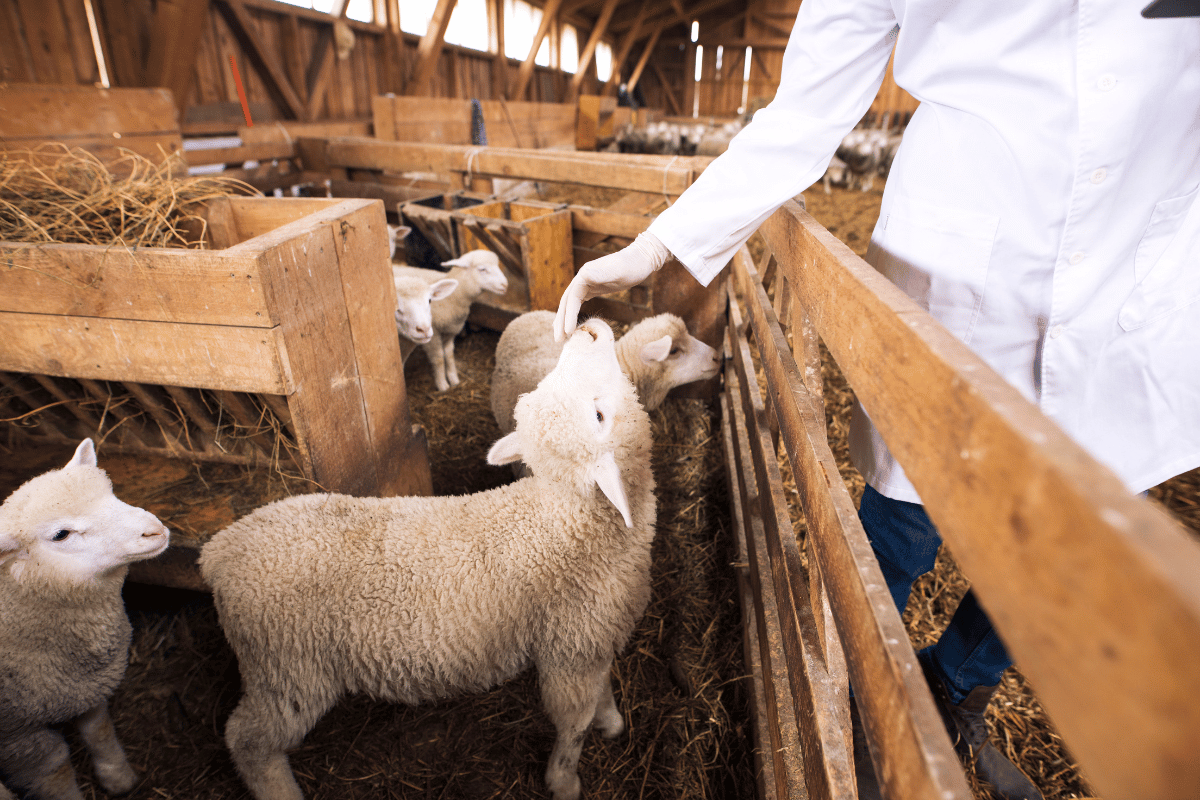
The growing interest in alternative veterinary medicine stems from concerns over antibiotic resistance, drug residues in food animals, and increasing consumer demand for natural treatments. Therapies such as herbal medicine, acupuncture, probiotics, and homeopathy have been explored as potential solutions. While some alternative treatments show promise, challenges remain regarding scientific validation, regulatory oversight, and integration into mainstream veterinary practice. This review discusses the opportunities and challenges of alternative veterinary medicine, highlighting both successful applications and limitations based on available research and practical experiences.
Introduction
Veterinary medicine traditionally relies on pharmaceuticals to manage diseases, particularly food-producing animals and companion animals. However, with growing concerns over antimicrobial resistance (AMR) and the long-term effects of synthetic drugs, alternative treatments are gaining traction. Farmers, veterinarians, and pet owners are increasingly exploring complementary and alternative veterinary medicine (CAVM), which includes phytotherapy (herbal medicine), acupuncture, homeopathy, probiotics, and other natural interventions.
In my experience working with poultry production and food safety, I have observed a shift toward phytogenic feed additives as an alternative to antibiotics. Farmers are more interested in natural growth promoters and immune boosters to meet both regulatory requirements and consumer expectations. Despite this interest, many veterinarians remain cautious due to the limited number of large-scale clinical studies validating these treatments.
Opportunities in Alternative Veterinary Medicine
Reducing Antibiotic Dependency in Livestock
One of the biggest advantages of alternative treatments is their potential to reduce reliance on antibiotics. Studies have shown that plant-derived compounds, such as oregano (Origanum vulgare) and garlic (Allium sativum), exhibit antimicrobial properties against common pathogens like Salmonella and E. coli (Giannenas et al., 2018). In poultry farming, feed additives containing these extracts can improve gut health and disease resistance.
In Sudanese poultry farms, where access to conventional antibiotics can be limited or costly, I have seen farmers use herbal mixtures like fenugreek (Trigonella foenum-graecum) and black seed (Nigella sativa) to boost immunity. While some report positive outcomes, scientific data remains insufficient to recommend these treatments as a complete replacement for antibiotics.
Enhancing Animal Welfare with Acupuncture
Pain management is a growing concern in veterinary medicine, particularly for companion animals and horses. Acupuncture, a practice rooted in traditional Chinese medicine, has successfully managed chronic pain conditions like osteoarthritis in dogs and musculoskeletal disorders in horses (Xie & Preast, 2013).
A veterinarian colleague in the UAE recently shared her experience using acupuncture to treat a racing horse with chronic back pain. Over several sessions, the horse exhibited noticeable improvements in mobility and comfort, reducing the need for NSAIDs. While promising, acupuncture is still underutilized due to the lack of trained professionals and skepticism among conventional veterinarians.
Consumer Demand for Natural and Organic Products
Modern consumers are increasingly aware of food safety and the potential health risks associated with antibiotic residues in meat and dairy products. This shift in consumer preference has encouraged the poultry and dairy industries to explore natural alternatives, such as probiotics and essential oils, to enhance animal health without compromising food safety.
In UAE, I have seen local organic poultry farms adopt probiotic-based treatments to improve gut health and disease resistance. While this approach aligns with market demand, cost and standardization remain key challenges.
Economic Feasibility of Herbal and Probiotic Treatments
In resource-limited regions, the high cost of veterinary drugs is a major barrier to livestock health management. Herbal treatments and probiotics often present a cost-effective alternative. For instance, turmeric (Curcuma longa) has demonstrated anti-inflammatory and antimicrobial effects in poultry, reducing disease incidence without the expense of conventional medications.
Challenges in Alternative Veterinary Medicine
Scientific Validation and Standardization
Despite promising anecdotal reports, alternative treatments require rigorous scientific validation before they can be widely recommended. Many herbal products lack standardized dosages and quality control, leading to inconsistencies in treatment outcomes.
For example, while many poultry farmers in Sudan use Moringa oleifera as a feed supplement, there is significant variability in its effectiveness due to differences in plant quality, preparation methods, and dosages. This lack of standardization is a major barrier to wider adoption in commercial settings.
Regulatory Challenges
The regulation of alternative veterinary medicines is inconsistent across different countries. In the European Union, herbal products used in animal feed must meet strict safety and efficacy standards set by the European Medicines Agency (EMA, 2022). In contrast, some regions have little to no oversight, leading to the sale of unverified and potentially ineffective products.
Resistance from the Veterinary Community
Many veterinarians hesitate to embrace alternative treatments due to limited clinical evidence and unfamiliarity with these approaches. Veterinary education still prioritizes conventional pharmacology, with minimal exposure to CAVM. Integrating alternative therapies into veterinary curricula could help bridge this gap and encourage evidence-based adoption.
Potential Risks and Drug Interactions
Some alternative treatments can interact negatively with conventional drugs. St. John's Wort (Hypericum perforatum), for example, is known to alter liver enzyme activity, potentially reducing the effectiveness of veterinary medications . Veterinary practitioners must consider such risks before recommending herbal treatments.
Future Directions and Conclusion
The future of alternative veterinary medicine depends on further research, improved regulation, and better integration with conventional practices. Veterinarians must remain open to exploring evidence-based alternative treatments while maintaining a critical approach to their application. Expanding clinical trials and educating veterinary professionals about CAVM could lead to safer, more effective integration into animal healthcare.
In my own veterinary career, I have seen promising applications of herbal medicine and probiotics, particularly in poultry farming. However, these treatments cannot fully replace conventional medicine without proper research and quality control. A balanced approach, combining scientific validation with practical field experience, will be key to the responsible adoption of alternative veterinary treatments.
References
- Coates, J.R. (2019). Integrative veterinary medicine: Complementary and alternative approaches. Vet Clin North Am Small Anim Pract, 49(2), 189-207.
- EMA (2022). Guidelines on herbal medicinal products for veterinary use. European Medicines Agency.
- Giannenas, I., Papadopoulos, E., Tsalie, E., et al. (2018). Oregano and its derivatives as feed additives in poultry production. World’s Poult Sci J, 74(1), 1-12.
- Xie, H., & Preast, V. (2013). Acupuncture for veterinary medicine. Blackwell Publishing.