As Africa faces a severe water crisis, the need for change has never been more urgent than ever before. With severe water shortages and the increasing impacts of climate change, the continent’s future is at stake. Agriculture, which is crucial for many African economies, relies heavily on water. To ensure a sustainable future, managing water resources wisely is essential. This is where agronomy—the science of growing crops and managing soil—comes into play. The partnership between the CGIAR Excellence in Agronomy Initiative (EiA) and The Nature Conservancy (TNC) shows how agronomy can help improve water systems across Africa.
Understanding the Water Crisis
Water scarcity is a global issue affecting over 1.2 billion people, and water demand is expected to increase by 50% by 2050. This crisis is particularly serious in Africa, where agriculture depends on water. Inefficient water use and waste are common, and climate change makes things worse. To address these challenges, countries must adopt new and integrated water management solutions that align with Africa's long-term goals in its Agenda 2063.
How Agronomy Can Support Water Management
Agronomy can help tackle these water challenges by promoting sustainable farming practices and efficient water use. The collaboration between EiA and TNC illustrates this potential through the Central Highlands Ecoregion Foodscape (CHEF) initiative. This project aims to build a sustainable food system by connecting different groups, addressing key challenges, and coordinating efforts within the food landscape.
Core Functions and Pillars of the Foodscape Innovation Hub
At the center of the CHEF initiative is the Foodscape Innovation Hub, which guides the development of various projects focusing on water management and agricultural sustainability. The hub emphasizes four key functions:
- Collaboration among Stakeholders: Effective water management relies on partnerships among governments, local communities, and businesses. These collaborations can harness local knowledge and resources to improve decision-making.
- Encouraging Innovation and Funding: Supporting new ideas and securing funding for sustainable practices is crucial for better water use. Financial support for environmentally friendly practices empowers farmers and promotes sustainable resource management.
- Ensuring Fair Access: Equal access to water resources is essential for all communities, especially marginalized groups. This inclusivity helps build community resilience and ensures everyone has a say in water management.
- Building Knowledge: A solid knowledge base is vital for informed decision-making. By investing in data collection and analysis, stakeholders can better understand water availability, usage patterns, and climate change impacts, leading to better management strategies.
Key Lessons from the EiA and TNC Partnership
The collaboration between EiA and TNC offers valuable lessons for improving water systems in Africa through agronomy:
- Integrated Water Management: The CHEF initiative highlights the importance of combining water management with farming practices. By working together to create land use and climate scenarios, stakeholders can promote sustainable water practices that fit local conditions.
- Innovative Solutions for Water Efficiency: Projects within the CHEF framework, like water availability and use assessments, show how agronomy can enhance water efficiency. These initiatives help farmers adopt practices that conserve water while improving crop yields.
- Collaboration Across Sectors: The success of the CHEF initiative underscores the need for cooperation among various groups. By bringing together governments, NGOs, and businesses, the initiative fosters collective action that leads to meaningful change.
Envisioning a Sustainable Future for Africa
The vision for Africa's future is centered on building a sustainable, resilient agricultural sector that secures water resources and promotes environmental sustainability. This vision relies on the transformative power of agronomy to improve water management and support sustainable development. Insights from the EiA and TNC partnership highlight a roadmap for Africa, where integrated approaches, innovative farming practices, and equitable access to resources drive progress.
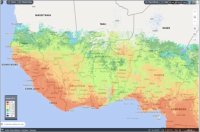
One key project led by the International Water Management Institute (IWMI) assesses water availability in crucial regions, offering high-resolution water accounting and cropland mapping to support regional decision-making. The goal is to empower stakeholders with critical data for water conservation and food security in the CHEF region. This vision is further advanced by the CHEF initiative's Foodscape Innovation Hub, which fosters collaboration across soil, water, land resilience, and climate adaptation projects. Together, these efforts create a sustainable food system that addresses Africa's unique challenges while aligning with broader goals for sustainable development.
Conclusion
As water scarcity, climate change, and food insecurity grow more pressing worldwide, the CHEF initiative represents a transformative approach to tackling these challenges across Africa. By fostering sustainable water management practices and empowering local communities through agronomy, CHEF promotes resilient, climate-adaptive agriculture that can sustain future generations.
This initiative aligns seamlessly with Africa’s long-term development goals, such as those outlined in Africa Water Vision 2025 and Agenda 2063. By prioritizing integrated, collaborative approaches to resource management, CHEF demonstrates the importance of shared action among governments, communities, and organizations to secure water resources and promote food security. As CHEF’s efforts expand, it lays the groundwork for a future where African agriculture not only withstands but thrives in the face of environmental and socio-economic challenges.
Note: This article was created by the EiA team as part of the organization's collaboration with Wikifarmer.
The CGIAR centers supporting the EiA represent a global force for agricultural transformation and include AfricaRice AfricaRice, CIAT, the International Maize and Wheat Improvement Center (CIMMYT), the International Potato Center (CIP), the ICARDA; International Center for Agricultural Research in the Dry Areas, ICRISAT , the International Rice Research Institute, International Food Policy Research Institute (IFPRI), International Water Management Institute (IWMI) and International Institute of Tropical Agriculture (IITA). Their collective expertise and unwavering commitment are driving positive change across the globe.