
The Energetic Foundations of Honeybee Health: Six Key Factors Every Beekeeper Should Know
Healthy honeybee colonies are the cornerstone of sustainable agriculture and natural ecosystems. While much attention has rightly been given to the threats bees face—from pesticides to habitat loss—less often do we hear about honeybee health from an energetic point of view. Yet, energy lies at the heart of every process inside the hive, from foraging and flight to immunity and brood care.
Honeybees are constantly balancing energy input with expenditure, and when that balance is disrupted, the whole colony can suffer. In this article, we’ll explore six of the most important energy-related factors that support a strong, healthy beehive, based on current scientific research. Whether you're a seasoned beekeeper or just starting out, understanding these foundations can help you make more informed decisions for your apiary.
1. Nutritional quality and diversity: Fueling the hive
One of the most fundamental needs of a honeybee colony is proper nutrition. Bees gather nectar for carbohydrates and pollen for proteins, lipids, vitamins, and minerals. These nutrients are essential for all life stages, from the egg to the forager bee, and affect everything from immune defense to reproductive success.
But not all food sources are equal. Colonies that forage in areas with diverse floral resources tend to be healthier and more resilient. In contrast, those that depend on monocultures or nutritionally poor environments may suffer from deficiencies that affect energy metabolism and immunity. Research has shown that bees fed on varied pollen sources live longer, produce more brood, and are better equipped to fight disease.
As a beekeeper, transferring hives near a variety of wild flowering plants or trees and avoiding over-reliance on agricultural monocultures is one of the simplest yet most effective ways to boost colony health. Especially because bees are also exposed to pesticides in agricultural fields. From my experience, what works best is transferring the colonies to different geological locations, such as from a mountain to an area near the sea, etc. Of course, this depends on the country and region one is established in, but what really matters is changing the bees' environment.
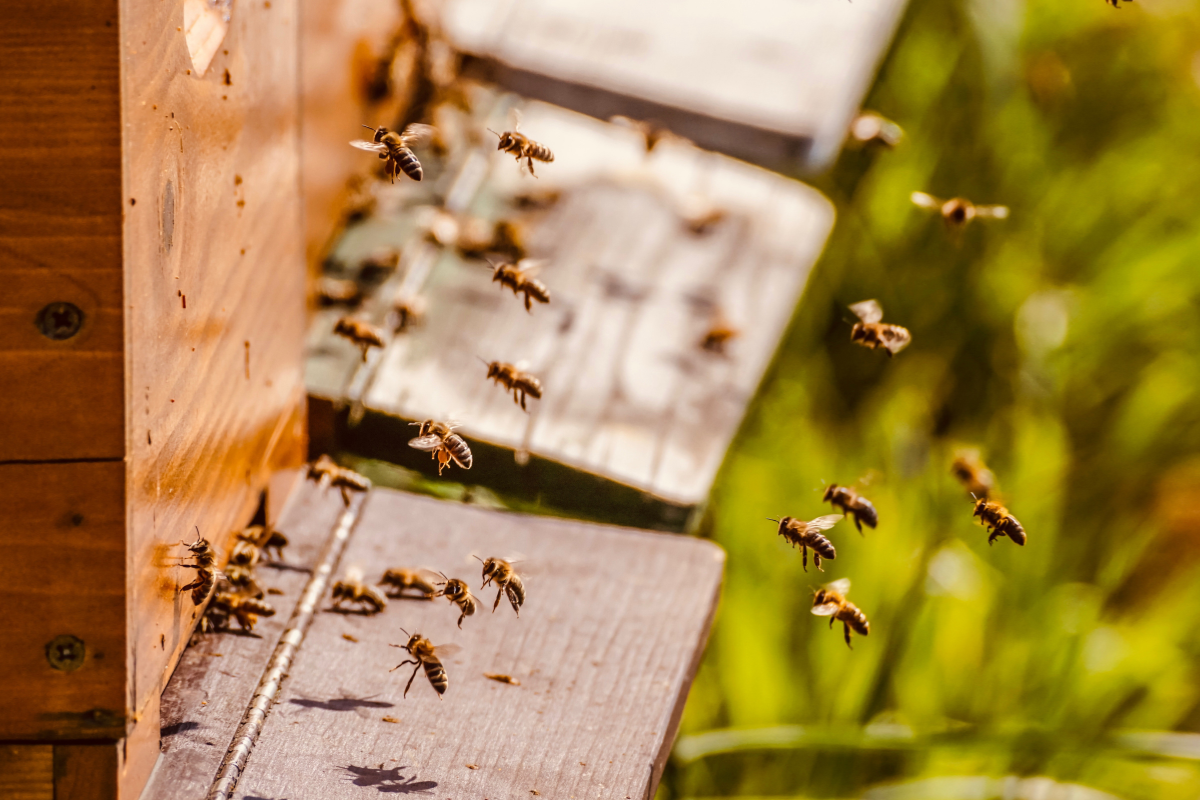
Actually, bees always give signs that they are ready to leave one place. The first sign is that the bees no longer fly around the entrance of the hive, at least not in the numbers they used to. Secondly, the whole apiary, including honey, pollen, and eggs, appears to be stagnant in production.
2. Parasites and pathogens: The hidden energy drain
Parasites and pathogens are a constant threat to bee health, and they extract a steep energetic toll. Among the most infamous is the Varroa destructor mite. These mites feed on bee fat bodies, weaken the immune system, and transmit a range of deadly viruses. Another common threat is Nosema, a gut parasite that impairs digestion and increases mortality.
Bees divert precious energy toward immune responses and tissue repair when a colony is under parasite or pathogen pressure. This leaves less energy for foraging, thermoregulation, and brood care. Worker bees may even avoid feeding larvae or abandon brood altogether in heavily infected colonies, accelerating colony collapse.
Regular monitoring and management of pests, especially Varroa, are essential. Techniques include screened bottom boards, drone brood removal, organic treatments, and, when necessary, carefully selected chemical controls. Healthy colonies aren't just
parasite-free—they are energetically balanced and can respond effectively to challenges.
3. Environmental stressors: The cost of modern landscapes
Pesticides, pollutants, habitat fragmentation, and climate instability all act as environmental stressors that disturb the energetic equilibrium of the hive. Exposure to sub-lethal doses of neonicotinoids and other agrochemicals has been shown to impair memory, navigation, and immune function in bees. These effects often don’t kill bees outright, but they do increase the energy cost of basic tasks like foraging or brood care.
Pollution can also affect floral quality, leading to reduced nectar yields or contamination of pollen. Meanwhile, habitat loss forces bees to fly longer distances in search of forage, increasing energy expenditure and reducing overall productivity.
The energetic cost of coping with these stressors is often invisible until it's too late. Colonies may look healthy until they suddenly collapse due to a lack of reserves. Supporting bees in modern landscapes means providing safe, diverse forage, reducing chemical exposure, and advocating for pollinator-friendly practices in agriculture and urban planning.
4. Queen health and reproductive success: The heart of the colony
The queen bee is the engine of reproduction in the hive. A healthy, well-mated queen lays up to 2,000 eggs per day during peak season, ensuring a steady supply of workers to forage, nurse, and defend the colony. When the queen fails due to age, disease, poor mating, or environmental toxins, colony dynamics quickly begin to break down.
From an energy perspective, a strong queen helps ensure that the colony invests its resources efficiently. The queen's pheromones maintain social harmony, suppress worker reproduction, and coordinate the hive's labor force. When these signals weaken, bees may begin rearing replacement queens, reduce brood care, or even abscond—all energetically expensive behaviors.
Maintaining the queen's health means ensuring she has access to high-quality nutrition and minimizing her exposure to stress. Requeening regularly with strong genetic stock, especially in high-pressure environments, can help colonies maintain long-term energetic stability. Beekeepers can monitor her condition by regularly inspecting brood patterns—a round, consistent laying pattern indicates a well-performing queen. In contrast, scattered brood with lots of empty cells in between may signal stress, poor mating, or disease. Also, increased presence of queen cells means the workers find the queen problematic, and they want to replace her. Other warning signs include dwindling worker population or abnormal worker behavior such as aggression or restlessness. Early intervention, such as replacing a failing queen or addressing environmental stressors (like pesticide exposure or nutritional gaps), can prevent energy-draining behaviors like supersedure or absconding.
5. Microbiome health: The invisible ally
Just like humans, honeybees rely on a balanced gut microbiome for digestion, nutrient absorption, and immunity. This microbial community helps bees break down pollen, detoxify harmful substances, and suppress pathogens in the gut. A disrupted microbiome can lead to malnutrition, reduced disease resistance, and inefficient energy use.
The microbiome can be disturbed by antibiotic use, pesticide exposure, or poor nutrition. Studies have shown that colonies exposed to glyphosate, a herbicide common in agriculture, experience microbial imbalances that reduce their ability to metabolize food and fight infection.
While probiotics for bees are still an emerging area of research, beekeepers can take simple steps to support gut health. These include minimizing chemical treatments, avoiding unnecessary antibiotics, and supporting natural foraging behavior with diverse pollen sources (transferring the hives). A healthy microbiome is a low-cost, high-reward system for energy conservation and disease resistance.
6. Thermoregulation: A collective effort
Bees are exceptional thermoregulators. During winter or cool spells, workers cluster together and generate heat by vibrating their flight muscles. In hot conditions, they fan their wings and use evaporative cooling to maintain brood temperature. All of this comes at an energetic cost, which varies depending on hive strength, insulation, and external conditions.
When colonies are strong, thermoregulation is distributed efficiently across thousands of bees. But when colonies are weak, a smaller number of workers must work harder, burning more calories and depleting reserves more quickly. This can lead to brood loss, increased susceptibility to disease, and even colony failure.
Beekeepers can help by ensuring hives are well-insulated in winter, providing shade and water in summer, and reducing disturbances during extreme weather. Monitoring hive ventilation and spacing frames appropriately also supports more efficient energy use.
In summary: The energetic equation of beekeeping
Healthy beekeeping isn’t just about avoiding disease or increasing honey yield—it's about supporting the energy economy of the hive. Every action a beekeeper takes, from choosing a location to managing nutrition and parasites, affects how efficiently a colony can gather, store, and use energy.
A successful colony is one in which bees are able to:
- Access a steady and diverse food supply
- Resist disease and parasites without constant intervention
- Maintain temperature and social structure
- Invest energy in brood production and foraging
- Avoid the metabolic costs of stress
When these systems are in balance, the hive thrives. When they’re disrupted, even briefly, the energetic consequences can ripple through the colony for weeks or months.
Understanding bee health through the lens of energy can help beekeepers take a more holistic approach. By supporting bees' energetic needs at every level—from microbiome to queen—we not only reduce mortality and boost honey productivity, but also strengthen the long-term resilience of these vital pollinators.