


I am a small-scale farmer based on the Copperbelt in Zambia. I grow rainfed maize, cowpeas, and kidney beans, locally known as kabulangeti. During the off-season, I grow horticultural vegetables. I have been farming since I was a child, and I am turning 40. That means I have roughly three decades of watching the same land, the same sky, and the same seasons, and what I can tell you is that they are different now.
How the seasons used to work
In the 1990s and early 2000s, the rain seasons were predictable. Good rains would start in October or November and last through April, sometimes into May. You could prepare your land and have confidence that the rains would follow an established pattern. Planting decisions felt less like gambles. You knew roughly when to sow, when the crop would germinate, and when moisture would carry it through to harvest.
Zambia's agriculture depends almost entirely on this rainfall. Around 90% of all cultivation in the country is rainfed farming, and maize alone occupies over 65% of the agricultural land. When the rains behave, the system works. When they shift, everything shifts with them.
What the rains look like now
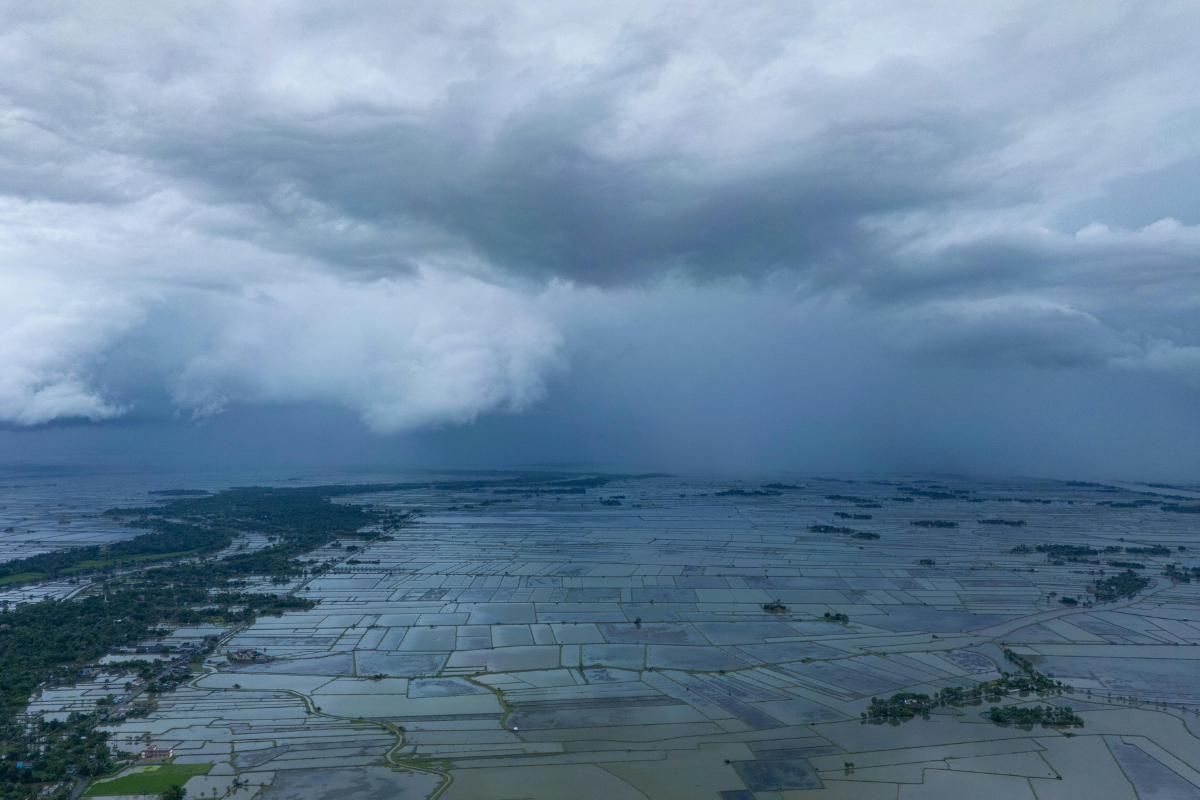
The rains come late now. When they do arrive, they fall heavy in short bursts and then stop. The duration of any single rainfall event has shortened significantly. Instead of a steady pattern over months, we get partial floods followed by dry stretches. Between 1971 and 2005, Zambia's annual rainfall decreased by 6% compared to the previous 30-year period, with notably shorter rainy seasons in the southwestern parts of the country. That trend has continued.
The reduced rainfall has affected the streams and small water bodies we rely on for off-season irrigation. In some years, these streams dry up completely before the next rains begin, which means the dry-season vegetable crops that many of us depend on for income between harvests are at risk.
Just this past season, farmers around me who planted in early November ran into serious trouble. The rains halted for several weeks after planting, and the pause drew bush mice into the fields. The mice dug up germinating maize seeds, creating large gaps that forced replanting. A dry spell at that stage does more than stunt the crop. It invites secondary problems that compound the loss.
The 2024 drought and what it exposed
In 2024, Zambia experienced its driest agricultural season in over 40 years. The government declared a national emergency on February 29. Nearly 983,000 hectares of maize were destroyed out of roughly 2.27 million hectares planted. Grain production declined by about 53% compared to the previous season, the lowest output in five years. Over nine million people across 84 of the country's 116 districts were affected.
Where I farm on the Copperbelt, our crops managed to survive. We were among the fortunate ones. But the drought hit Southern, Central, Eastern, and Western provinces extremely hard, and those regions normally produce over 58% of Zambia's annual maize. The crisis also cut hydropower generation so severely that load shedding reached up to 21 hours a day, since over 80% of Zambia's electricity comes from hydropower dams fed by the same dwindling water.
That drought made visible what many smallholders already knew. When your entire system depends on rain that no longer comes on schedule, a single bad season can undo years of work.
When the pests follow the weather
Fall armyworm has become a growing concern alongside the weather changes. The pest was first detected in Zambia in late 2016, and it has been relentless since. A CIMMYT-led survey across Zambia and Malawi found that 70% of farmers reported fall armyworm damage to their maize fields during the 2023/2024 season, with yield reductions averaging 13.5% to 30%, amounting to over 230 kilograms of lost grain per hectare. CABI estimates that 98% of Zambian smallholders are affected by fall armyworm every cropping cycle, with economic losses reaching around $159 million.
There is a connection between late planting and armyworm pressure. As more farmers delay sowing because of unreliable early rains, later-planted fields face heavier pest populations that have built up through the season. The weather and the pest are reinforcing each other.
In 2023, the Zambia Agriculture Research Institute released three fall armyworm-tolerant maize varieties developed with CIMMYT, and seed companies are beginning to multiply them. That is a step forward, but awareness remains low. Only 39% of Zambian farmers surveyed had even heard of these tolerant varieties.
What I have changed and why it matters
I adjusted my planting dates. Last year, I planted in December instead of November, and I chose early-maturing varieties to fit the shorter rainfall window. That single decision, timing plus variety, was the difference between a harvest and a failure for many of the farmers around me.
Soil health has become central to everything I do. A healthy soil grows crops faster, holds moisture longer, and retains nutrients better. I pay closer attention to crop rotation now, and I mix planting or leave crop residues like maize stalks in the field after harvest to decompose and feed the soil. Research in Zambia has shown that crop residue retention can increase maize yield by up to 360 kilograms per hectare (about 28%) under fall armyworm stress, compared to fields where residues are removed. When possible, I also add animal manure.
Intercropping and rotating cowpeas and beans with maize helps fix nitrogen in the soil and spreads the risk across crops with different water needs and maturity periods.
For off-season production, I have shifted to drip irrigation to conserve water and energy. When the streams are running low, every litre matters. Mulching the vegetable beds reduces evaporation and keeps the soil cooler during the hot months.
Reading the land, season by season
Adaptation to climate change, for me, means observing the land closely, being flexible, staying open-minded, and learning something new each season. There is no fixed recipe. The farmer who planted in November this year and the one who waited until December made opposite decisions, and both had reasons based on what they could see and what they had heard.
What I have learned is that the farmers who survive the hardest seasons are the ones who pay attention to what the land and the weather are actually doing, rather than what they used to do or what they are told should work. The rains I grew up with are not the rains I farm with now. Accepting that is the first step. Everything else follows from there.
Sources
- UN OCHA. (2024). Zambia: Drought Response Appeal May 2024 - December 2024.
- ACAPS. (2025). Zambia: Update on the Impact of Drought. ReliefWeb.
- CIMMYT. (2025). When the Worm Won't Wait: Battling Fall Armyworm with Science, Seeds and Farmer-Led Solutions.
- CABI. (2024). Village-Based Biological Control of Fall Armyworm in Zambia.
- Ngoma, H. et al. (2021). Yield Effects of Conservation Farming Practices Under Fall Armyworm Stress. CABI.
- FAO. (2024). Zambia Drought Portal: National Case Study.