


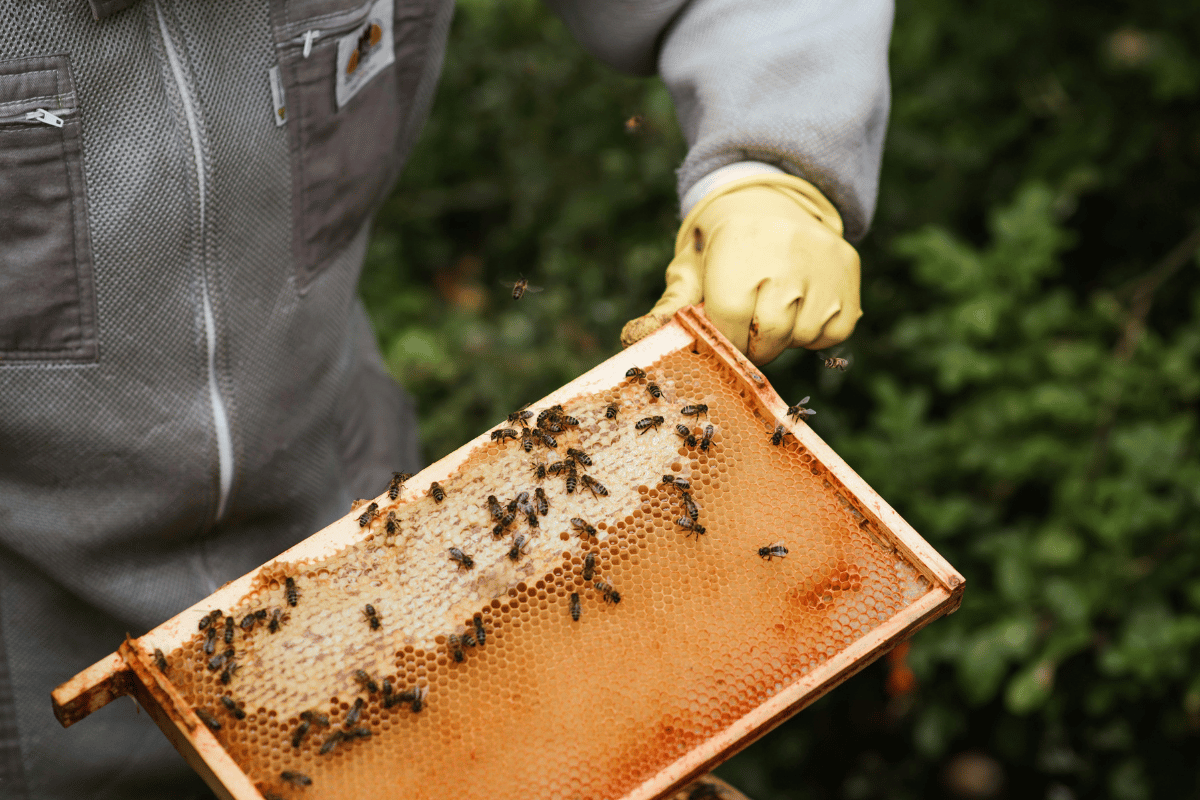
Honey bees play a critical role far beyond honey production. According to the Food and Agriculture Organization (FAO), pollinators like bees are involved in producing up to 30% of the human food supply directly or indirectly. These remarkable insects contribute to global biodiversity and food security by pollinating crops ranging from coffee and apples to almonds and tomatoes.
However, the beekeeping industry faces mounting challenges. FAO reports indicate that bee populations are declining in many parts of the world due to intensive farming practices, mono-cropping, excessive use of agricultural chemicals, and higher temperatures associated with climate change. José Graziano da Silva, former FAO Director-General, warned that "bees are under great threat from the combined effects of climate change, intensive agriculture, pesticides use, biodiversity loss and pollution".
This situation demands a shift toward sustainable honey production practices that balance productivity with environmental stewardship. By adopting science-based techniques and eco-friendly management strategies, beekeepers can protect bee populations while maintaining profitable operations.
Traditional clay hives vs modern langstroth hives
The choice of hive system significantly impacts both honey yield and colony management efficiency. Understanding the strengths and limitations of different hive designs helps beekeepers make informed decisions.
Traditional clay hives
Traditional hives, including clay or ceramic structures, have been used for centuries across Africa, the Middle East, and Asia. These hives offer several advantages for small-scale beekeepers. They require minimal financial investment, with construction materials sourced locally, making them accessible to resource-limited farmers. Clay hives provide excellent natural insulation and moisture control, creating a stable environment that can be aesthetically pleasing.
However, traditional hives come with significant drawbacks. Honey production typically ranges from only 5-10 kg per hive annually, compared to the 10-20 kg achievable with modern systems. As noted in Wikifarmer's beekeeping resources, traditional hives lack durability, are vulnerable to pest attacks, and make inspection and management extremely difficult. The fixed-comb design means beekeepers must destroy honeycombs during harvesting, which damages the colony and reduces long-term productivity.
Modern Langstroth hives
The Langstroth hive, developed in the 1850s, revolutionized beekeeping through its modular, movable-frame design. This system offers substantial advantages that make it the global standard. The removable frames allow non-destructive hive inspections, enabling beekeepers to monitor colony health, manage diseases, and assess honey production without harming the bees.
The modular design permits easy expansion by adding standardized "supers" (boxes) during nectar flows, maximizing honey collection capacity. This scalability can yield 20-40 kg of honey per hive under strong management and optimal conditions. The standardized frame dimensions ensure compatibility across equipment from different manufacturers worldwide, reducing costs through economy of scale.
Wikifarmer emphasizes that modern hives facilitate easier inspection and pest management, critical factors for maintaining healthy colonies. However, beekeepers must consider the initial investment, typically ranging from ₹44,000-₹2,00,000 for quality wooden hives in India, and the physical demands of lifting heavy honey-filled boxes during harvest.
Seasonal management guide
Effective beehive management requires adapting practices to the natural colony lifecycle throughout the year. As detailed in research from Penn State Extension, seasonal beekeeping practices must align with colony behavior patterns.
Spring: Swarm Prevention and Hive Expansion
Spring triggers rapid brood production and exponential colony population growth. According to Wikifarmer's beehive management guide, regular hive inspections become essential during this period to analyze queen presence, laying patterns, and signs of pests like spiders and Geckos.
Swarm prevention is the primary spring goal. When colonies become congested, they prepare to swarm by creating queen cells. Beekeepers should inspect hives every 7-10 days, checking for adequate space for the queen to lay and for emerging brood. One effective technique involves reversing hive boxes, moving bees and brood to the bottom with empty space overhead.
Adding supers before the colony needs them prevents congestion. Research suggests that a frame of sealed brood will become approximately two frames of bees by the next inspection, so beekeepers must anticipate space requirements. Consider that 60-80% of sealed brood will have emerged within 10 days, requiring proactive space management.
Pro Tip from Experience: Plant diverse flora around apiaries during spring. Studies from the University of Iowa demonstrate that diversified plantings significantly enhance honey bee colony growth and nutritional state compared to monoculture environments.
Summer: Hydration and Shade Management
Summer heat creates unique challenges for colony health. Bees need consistent access to clean water sources throughout the active season. Natural water sources are ideal, but beekeepers can provide shallow ponds or dripping faucets to meet colony needs.
Shade management becomes critical when temperatures exceed 35°C. Wikifarmer recommends positioning hives under trees when possible to provide natural shade. For exposed locations, temporary shade structures prevent overheating and reduce water stress on foraging bees.
This is also the primary season for mite management. Monthly mite counts using a brood frame sample help identify infestations before they compromise colony health. Research from the University of Florida indicates that Varroa mites remain the world's most destructive honey bee killer, making summer monitoring essential.
Winter: Insulation and Emergency Feeding
Winter preparation determines colony survival in temperate climates. According to Wikifarmer's harvesting guidelines, beekeepers should leave 20-60 kg of honey per hive depending on winter severity, ensuring colonies can survive food shortages.
When honey stores run low, emergency feeding becomes necessary. The standard sugar syrup recipe for winter feeding uses a 2:1 ratio—two parts sugar to one part water—creating a thick syrup that bees can process at lower temperatures. For 2:1 syrup, simply add sugar to a container, mark the level, then add hot water and stir until dissolved, reaching the marked level without measuring.
DIY Winter Insulation Alternative: Instead of expensive commercial insulation, beekeepers can use natural materials like jute sacks filled with wood shavings or dried leaves placed above the inner cover to absorb moisture and provide insulation. One beekeeper reported excellent overwintering success using free maple leaves as hive insulation in Canada's harsh climate. Eucalyptus leaves can also serve as natural pest repellents when placed strategically around hives.
Temperature matters significantly for feeding. Bees prefer liquid sugar water above 50°F (10°C), but accept solid sugar feeds like fondant or candy boards when temperatures drop below this threshold.
Quality Preservation Techniques
Maintaining honey quality from hive to jar requires careful attention to extraction and storage methods. Research published in multiple food science journals confirms that processing techniques directly impact nutritional value and shelf life.
Cold Extraction vs Heat Processing
Cold extraction represents the gold standard for preserving honey's natural properties. Wikifarmer's honey extraction guide explains the traditional centrifugal method: beekeepers carefully uncap mature honeycombs using heated knives, then place frames in honey extractors that use centrifugal force to separate honey from combs without heat.
This gentle process preserves the delicate enzymes, vitamins, and bioactive compounds that contribute to honey's health benefits. Studies show that raw honey contains hydrogen peroxide, glucose oxidase, and maintains a low pH (typically 3.2-4.5), creating natural antibacterial and antimicrobial properties.
Heat processing, while common in commercial operations, must be carefully controlled. Conventional processing involves heating honey at 60-65°C for 25-30 minutes to destroy yeast cells and facilitate bottling. However, research demonstrates that temperatures exceeding 70°C cause deterioration of flavor, color, bioactive compounds, and antioxidants.
Science-Backed Evidence: A comprehensive 2023 study published in Nutrients examined honey from multiple botanical sources and found pH values ranging from 3.2 to 4.5, with organic acids like gluconic acid contributing to honey's antimicrobial properties. Research from 2025 on physicochemical properties confirmed that honey typically maintains pH values between 3.35 and 4.14 depending on botanical origin, with free acidity levels well below the Codex Alimentarius standard of 50 meq/kg.
Storage: Glass Jars Over Plastic
Storage container selection significantly impacts honey longevity and quality. Glass jars are universally preferred by food scientists and experienced beekeepers for several critical reasons.
Glass is a non-reactive, inert material that doesn't interact with honey or alter its chemical composition, preserving natural flavors and aromas. Airtight glass jars protect honey from moisture absorption, which could lead to fermentation by yeast. The transparency of glass allows consumers to appreciate honey's golden hue while enabling quality inspection.
Plastic containers present documented drawbacks. They can leach chemicals into honey, especially when exposed to heat or sunlight, potentially altering taste and safety. Plastic is less airtight than glass, allowing moisture exchange that may compromise quality over time. Additionally, plastic containers may degrade, further compromising stored honey integrity.
Experts confirm that proper storage in airtight glass containers can preserve honey quality indefinitely due to its natural preservative properties: low moisture content, high acidity, and antimicrobial compounds.
Essential Tools for Small-Scale Beekeepers
Starting beekeeping requires strategic investment in essential equipment while utilizing cost-effective alternatives for non-critical items.
Budget-Friendly Equipment Kit
Based on cost analyses from Indian beekeeping projects, a basic startup kit for small-scale beekeepers includes:
- Bee Smoker: ₹500-800 (essential for calm hive inspections)
- Hive Tool: ₹200 (for prying apart hive components)
- Bee Suit with Veil: ₹1,500-2,000 (critical safety equipment)
- Basic Langstroth Hive: ₹44,000 for teak wood construction
- Honey Extractor (can be shared): ₹5,000-7,000 depending on capacity
- Frames and Foundation: ₹15,000-18,000 for initial setup
Total initial investment for 10 colonies typically ranges from ₹2,25,000 to ₹4,60,000, depending on bee species (Cerana vs Mellifera) and equipment quality.
DIY Alternatives to Reduce Costs
Wikifarmer emphasizes that young beekeepers can reduce costs through creative alternatives. Instead of expensive commercial protective suits, painting coveralls from hardware stores provide adequate protection at a fraction of the cost.
For hive insulation, repurpose jute sacks filled with wood shavings instead of purchasing commercial insulation boards. Eucalyptus leaves placed around hives serve as natural pest repellents without chemical costs. Old burlap can be used as moisture-absorbing material above hives during winter.
Smoker fuel represents another opportunity for savings. Rather than purchasing commercial smoker pellets, dried burlap sacks, pine needles, or wood shavings work excellently as free or low-cost alternatives.
Overcoming common challenges
Colony collapse disorder
Colony Collapse Disorder (CCD) represents one of beekeeping's most pressing challenges, characterized by the mysterious disappearance of adult bees from hives, leaving behind queens and adequate food stores.
Scientific consensus identifies CCD as a multifactorial issue. Research from the University of Florida and international studies point to several interconnected causes:
- Varroa mites and associated viruses: These parasitic mites vector multiple viruses while weakening bee immune systems
- Pesticide exposure: Neonicotinoids and other agricultural chemicals impair bee navigation and colony health
- Poor nutrition: Monoculture farming reduces diverse pollen sources essential for bee health
- Queen failure: Genetic bottlenecks from limited queen breeding stock reduce colony resilience
- Colony stress: Migratory beekeeping, climate factors, and management practices compromise immunity
Practical Solutions
The most effective CCD prevention strategy involves planting diverse flora to combat monoculture impacts. Research published in Ecological Indicators demonstrates that diversified farming significantly enhances bee health compared to monoculture environments. Beekeepers should encourage plantings of:
- Marigolds (Tagetes species): Studies from the International Journal of Current Microbiology show that marigold cultivation actively conserves honeybee populations while providing nectar and pollen throughout growing seasons. Research documented that bee activity peaked at 39 bees per 10 minutes during 11:00-12:00 hrs when marigolds were in full bloom.
- Sunflowers: Heirloom and open-pollinated varieties (not commercial pollen-free types) provide substantial forage, particularly for winter preparation
- Diverse herb gardens: Lavender, thyme, oregano, sage, and rosemary attract bees when flowering
- Cover crops: Buckwheat offers quick-growing late-season forage, producing dark, mineral-rich honey
Frequently Asked Questions
Can I start beekeeping with ₹10,000 in India?
Starting professional beekeeping with ₹10,000 is challenging but possible for micro-scale operations. This budget could cover one basic nucleus box (₹1,200-2,000), essential protective equipment, a basic smoker, and hive tools. However, comprehensive startup requires ₹2,25,000-4,60,000 for viable 80-100 colony operations.
Small-scale beginners might start with 2-3 colonies and essential equipment for approximately ₹50,000-75,000, including bee colonies (₹2,500-3,500 each), basic hives, protective gear, and extraction equipment shared with local beekeeping cooperatives.
How to sell honey legally in India?
Legal honey sales in India require FSSAI (Food Safety and Standards Authority of India) registration or licensing, mandatory under the FSS Act 2006. The specific license type depends on business scale:
- FSSAI Basic Registration: For small beekeepers with annual turnover up to ₹12 lakh and production under 100 kg/day. Fee: ₹100 annually. Suitable for local market sales.
- FSSAI State License: For medium operations with turnover ₹12 lakh to ₹20 crore and daily production 100 kg to 2 MT. Fee: ₹2,000-₹5,000 annually.
- FSSAI Central License: Required for businesses exceeding ₹20 crore turnover or exporting honey. Fee: ₹7,500 annually.
Required documents include business ownership proof, premises documentation, product list, and Food Safety Management System plan. E-commerce platforms like Amazon and Flipkart mandate valid FSSAI licenses for all food sellers. Processing typically takes 7-60 days depending on license type.
Conclusion
Sustainable honey production requires integrating traditional wisdom with modern scientific knowledge. By adopting appropriate hive technology, implementing seasonal management practices, preserving honey quality through proper extraction and storage, and addressing challenges like Colony Collapse Disorder through diverse plantings and organic pest management, beekeepers can build profitable operations while protecting precious pollinator populations.
The future of beekeeping depends on our commitment to environmental balance. As FAO emphasizes, countries must shift to more pollinator-friendly and sustainable food policies and systems. Individual beekeepers play a crucial role in this transformation by adopting practices that prioritize bee health, biodiversity, and ecological sustainability alongside honey production goals.
Sources
Declining bee populations pose threat to global food security and nutrition
Honey Bee Management Throughout the Seasons
Colony Collapse Disorder: Why Are Honey Bees Disappearing?
Honey and Health: A Review of Recent Clinical Research
Diversified Farming in a Monoculture Landscape: Effects on Honey Bee Health and Wild Bee Communities
Exploring the role of marigold in honey bee conservation and its impact on Niger seed productivity