

Introduction: Following the Queen
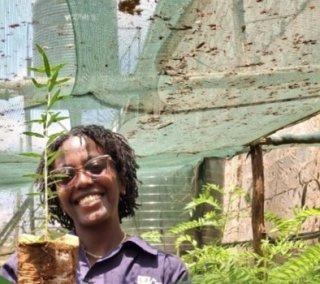
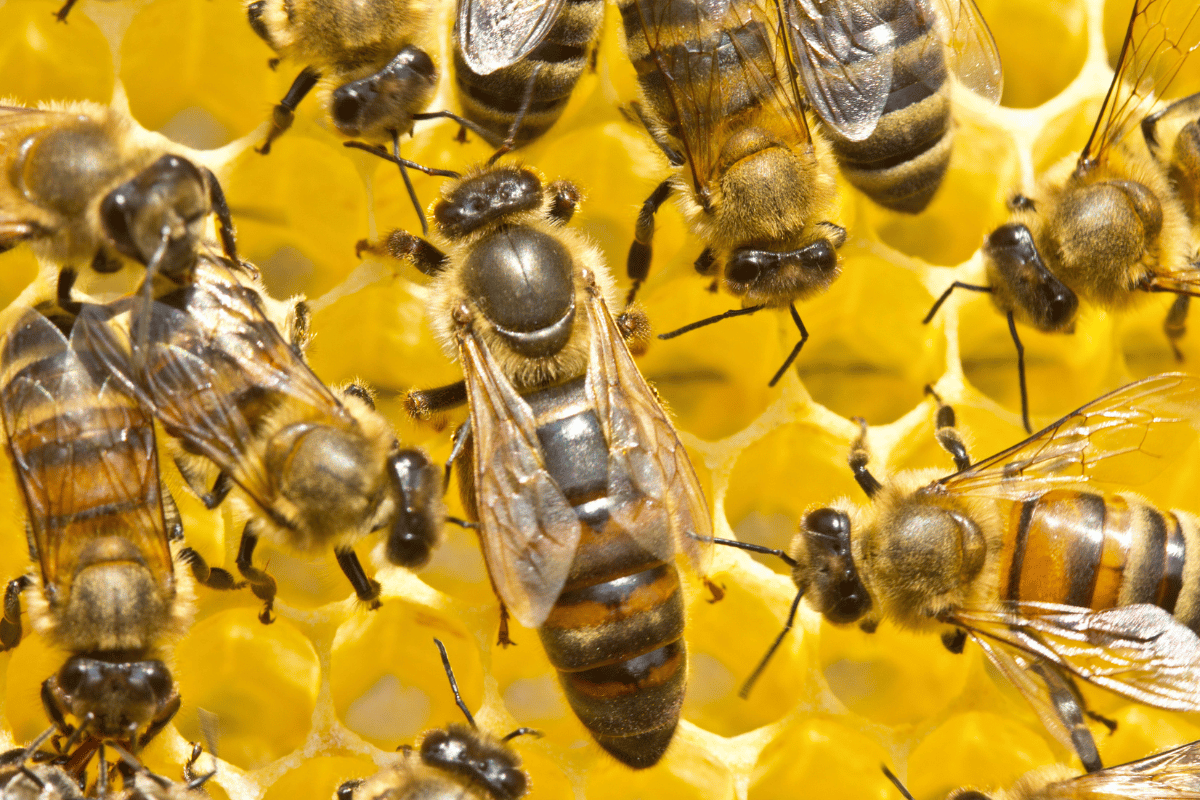
During my internship with Save the Elephants in Kenya, we often monitored beehives used to reduce human-elephant conflict. One thing always fascinated me: wherever the queen bee moved, worker bees followed in a tight cluster. We could immediately tell where she was by watching where the bees gathered.
Whenever we needed to return a swarm to the hive, we located the queen and placed her back inside. Within minutes, the rest of the colony followed.
At first, I assumed the queen bee was the hive’s hardest worker, maybe even the one making honey. But I later learned the truth is quite different: the queen bee doesn't do much work at all compared to the colony’s worker bees.
This article explains the true role of the queen bee, what she does not do, and why this matters to farmers who rely on bees for pollination and crop productivity.
What the bueen bee actually does
The queen bee has two essential jobs: laying eggs and maintaining social order through chemical signals.
1. Laying eggs: The mother of the colony
The queen bee is the only fertile female in a healthy hive, capable of laying 1,500–2,000 eggs per day during peak season. Every bee in the colony, both female workers and male drones, is her offspring.
A productive queen means a constant supply of worker bees, which are vital for:
- Foraging nectar and pollen from crops
- Pollinating flowers that increase yields
- Feeding, cleaning, and protecting young bees
When a queen ages or falls ill, she lays fewer eggs. This decreases the number of worker bees, weakening the colony and reducing pollination around nearby farms.
2. Producing pheromones: The hive's communication system
The queen bee also produces powerful pheromones, chemical signals that keep the colony organized. These pheromones:
- Signal that a healthy queen is present
- Regulate the behavior of workers, encouraging them to forage, feed larvae, and build combs
Bees naturally cluster around the queen because they’re attracted to her scent. If her pheromones fade due to age or stress, the colony can become disorganized or replace her entirely.
What the queen bee does not do
Despite her title, the queen bee does not lead the hive or perform daily labor. Here’s what she doesn’t do:
- Foraging for food: She does not leave the hive to collect nectar or pollen. That’s the job of worker bees.
- Making honey or building combs: Worker bees handle all wax production and honey storage.
- Defending the hive: Only worker bees protect the colony. The queen only uses her stinger in rare fights with rival queens.
- Feeding herself: Nurse bees constantly feed her with royal jelly.
- Caring for eggs and larvae: Worker bees clean, feed, and monitor the young.
- Making decisions: Worker bees collectively make decisions about foraging, swarming, and replacing the queen.
In short: the queen bee is the mother, not the manager, of the hive. Her health determines whether the colony can thrive and pollinate effectively.
Why Queen Bees Matter for Crop Pollination
Pollinators are essential for food security
According to the FAO (2018), around 75% of global food crops rely, at least in part, on pollinators to boost fruit set and yields. A strong queen means more worker bees, which means better pollination and larger harvests.
Stronger colonies = Better yields
More bees mean more flower visits and better outcomes for farmers:
- Fruits: Mangoes, avocados, passion fruits, watermelons, citrus
- Vegetables: Tomatoes, cucumbers, pumpkins
- Seeds and oils: Sunflowers, canola, coffee
Weaker queens = Reduced pollination
When queens are old or failing, colonies shrink. This leads to fewer foragers and poorer crop pollination, especially in farms that depend on bees.
How farmers can support bee colonies
While farmers can't control the queen directly, they can support healthy bee populations and stable hives through a few simple practices:
- Plant bee-friendly flowers and trees: Include flowering plants like sunflowers, clover, Grevillea, acacia, basil, and native wildflowers.
- Reduce pesticide use: If spraying is necessary, apply pesticides early morning or late evening when bees are inactive.
- Provide water sources: A shallow container with clean water and floating sticks gives bees a safe way to hydrate, especially in dry periods.
- Protect wild habitats: Preserve patches of wild plants and shrubs that support wild pollinator nests and food sources.
- Collaborate with beekeepers: Allow local beekeepers to place hives near your fields to boost pollination and benefit from mutual cooperation.
Conclusion: The queen bee's quiet power
The queen bee may not gather nectar or make honey, but her presence ensures the survival and efficiency of the colony. A strong, fertile queen means more workers—and more pollination.
This translates to higher yields, better fruit quality, and improved profits for farmers. By planting bee-friendly crops, limiting harmful pesticides, and conserving wild habitats, farmers help protect bees and secure their own harvests.
References
- FAO. (2018). The Importance of Pollinators in Food Production.
- Klein, A.-M., et al. (2007). Importance of pollinators in changing landscapes for world crops. Proc. of the Royal Society B.
- Save the Elephants. Beehive Fence Project (field observations)