


Introduction
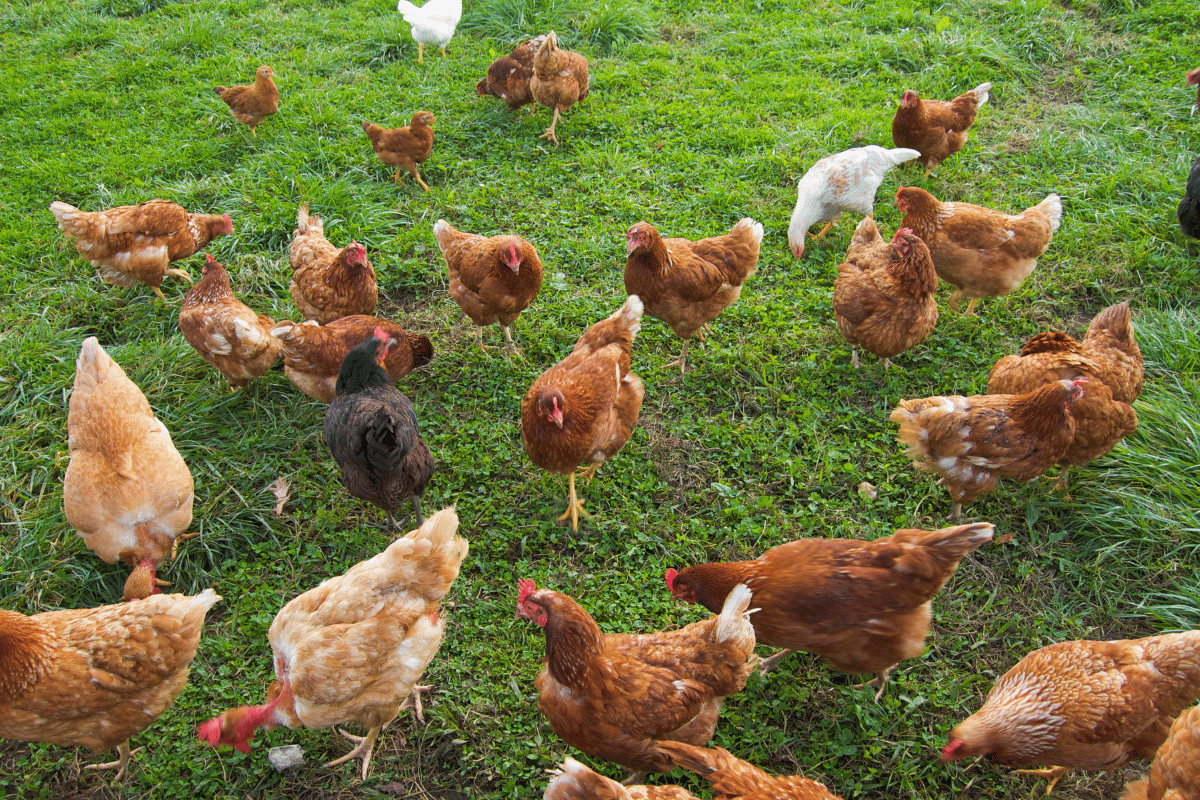
In the coming decades, the global manure waste is expected to reach an unprecedented 5 billion tons annually. While this poses a potential threat to the environment due to emissions such as nitrous oxide and methane, it also presents a unique opportunity for a circular economy model for agriculture. The circular economy is revolutionizing modern agriculture by reducing waste, improving efficiency, and promoting sustainability. One of its most potentially impactful applications is in poultry farming, where chicken manure, which is traditionally considered waste, is transformed into a powerful organic liquid fertilizer using aerobic bioreactors. This innovative approach minimizes environmental pollution, enhances soil health, and increases agricultural productivity.
The Problem with Poultry Waste
Chicken farming generates a significant amount of manure, which can cause severe environmental issues:
Water Pollution: Chicken manure contains high levels of nitrogen and phosphorus, which can run off into water bodies, causing eutrophication and harming aquatic life.
Air Pollution: The decomposition of poultry waste releases ammonia and greenhouse gases, contributing to air pollution and climate change.
Soil Degradation: Improper disposal, such as landfilling or direct application, can lead to nutrient imbalances, reducing soil fertility over time.
Circular Agriculture
The circular economy in agriculture focuses on closing the loop by transforming waste into valuable resources. Instead of discarding chicken manure, controlled processes like aerobic bioreactors extract its nutrient-rich components, eliminating the need for synthetic fertilizers while reducing environmental impact. The call for a more innovative approach is because manures in their traditional raw form supply relatively less amount of nutrients regardless of the amount of manure added to the farmland, which is relatively high compared to the chemical composition. It will be important to develop an organic fertilizer with a higher amount of nutrients to supply adequate levels of nutrients with less quantity. This is where the opportunity lies.
The Role of Aerobic Bioreactor
Aerobic bioreactors are key in converting poultry waste into highly concentrated organic liquid fertilizer. These systems use oxygen and microbial activity to break down manure, stabilizing nutrients while eliminating harmful pathogens.
Key Benefits of Aerobic Bioreactor
Maximized Nutrient Retention: Preserves essential macro- and micronutrients such as nitrogen (N), phosphorus (P), potassium (K), and beneficial microorganisms that enrich the soil.
- Reduced Environmental Impact: Prevents nitrogen leaching into water bodies, minimizing soil and water contamination.
- Enhanced Soil Microbiology: Unlike synthetic fertilizers, organic liquid fertilizers support beneficial bacteria and fungi, improving long-term soil health.
- Waste Reduction: Converts poultry waste into a valuable agricultural input, reducing landfill dependency and environmental hazards.
Why do we need to process using aerobic bioreactor?
Aerobic bio-digestion is the breakdown of organic materials into minerals available for plants and CO2 in the presence of oxygen
This process happens in specific and customized aerobic bioreactor
Factors affecting efficiency of aerobic bioreactor
- Available dissolved oxygen
- Continues agitation
- Temperature
- pH
- Dry solid content
- C:N ratio
Parameters for fermenting mixture
- Available dissolved oxygen – not less than 3 ppm
- Temperature – 30-40 degrees
- Ph- 5.0-6,5
- Dry solid content- 1-3%
- C:N ratio- 5-35
Case Study: Dijo Tsa Mobu Organic Liquid Fertilizer
A successful example of circular economy principles in action is Dijo Tsa Mobu Organic Liquid Fertilizer. This innovative product is made by upcycling raw chicken manure using aerobic bioreactors, ensuring a high-quality, scientifically tested fertilizer with proven agricultural benefits.
Impact of Dijo Tsa Mobu Organic Fertilizer:
Proven Crop Benefits: Independent studies show that Dijo Tsa Mobu reduces the early blight of tomatoes by 45%, surpassing the effectiveness of fungicides alone. Additionally, it reduces whitefly infestations by 65% and aphid infestations by 90% when used alongside pesticides.
Soil Rehabilitation: The product enhances soil organic matter, increasing microbial activity and improving soil structure over time.
Water Conservation: With its ability to retain soil moisture, Dijo Tsa Mobu is highly beneficial for crops in drought-prone areas.
Economic Efficiency: Its dilution ratio of 1:1000 makes it a cost-effective solution for farmers looking to maximize yields without over-reliance on synthetic inputs.
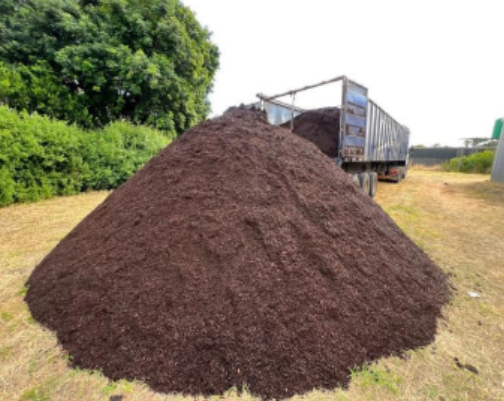
Raw chicken manure from farms
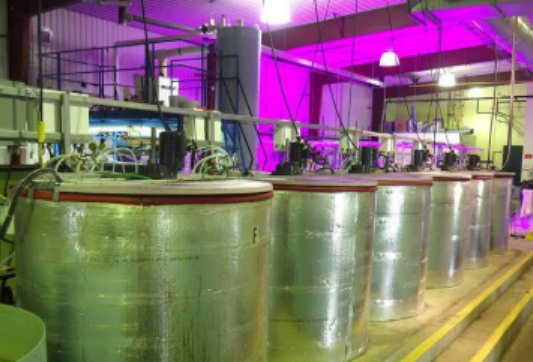
Processing of chicken manure using custom-made aerobic bioreactor
This case study highlights how chicken waste can be transformed into a premium agricultural input, supporting sustainable farming and environmental restoration.
Economic & Agricultural Benefits
Adopting a circular economy approach in agriculture offers both economic and ecological advantages:
Cost Savings for Farmers: Reduces reliance on expensive synthetic fertilizers while improving long-term soil fertility.
Resilient Farming Practices: Organic farming enhances drought resistance by improving soil water retention and organic matter content.
Market Opportunities: With rising demand for organic agricultural inputs, farmers can capitalize on the growing market for sustainable fertilizers.
Conclusion
Integrating a circular economy into agriculture by upcycling poultry waste into organic liquid fertilizer presents a sustainable solution to pressing environmental and farming challenges. Aerobic bio-digesters provide an eco-friendly, cost-effective method to support global food security and climate resilience while boosting farm productivity and profitability.
Call to Action
As agriculture faces increasing pressure to be sustainable, it’s time for farmers, policymakers, and agribusinesses to embrace circular economy principles. Investing in technologies like aerobic bio-digesters will drive the shift towards regenerative agriculture, ensuring a greener future for food production and environmental preservation.