


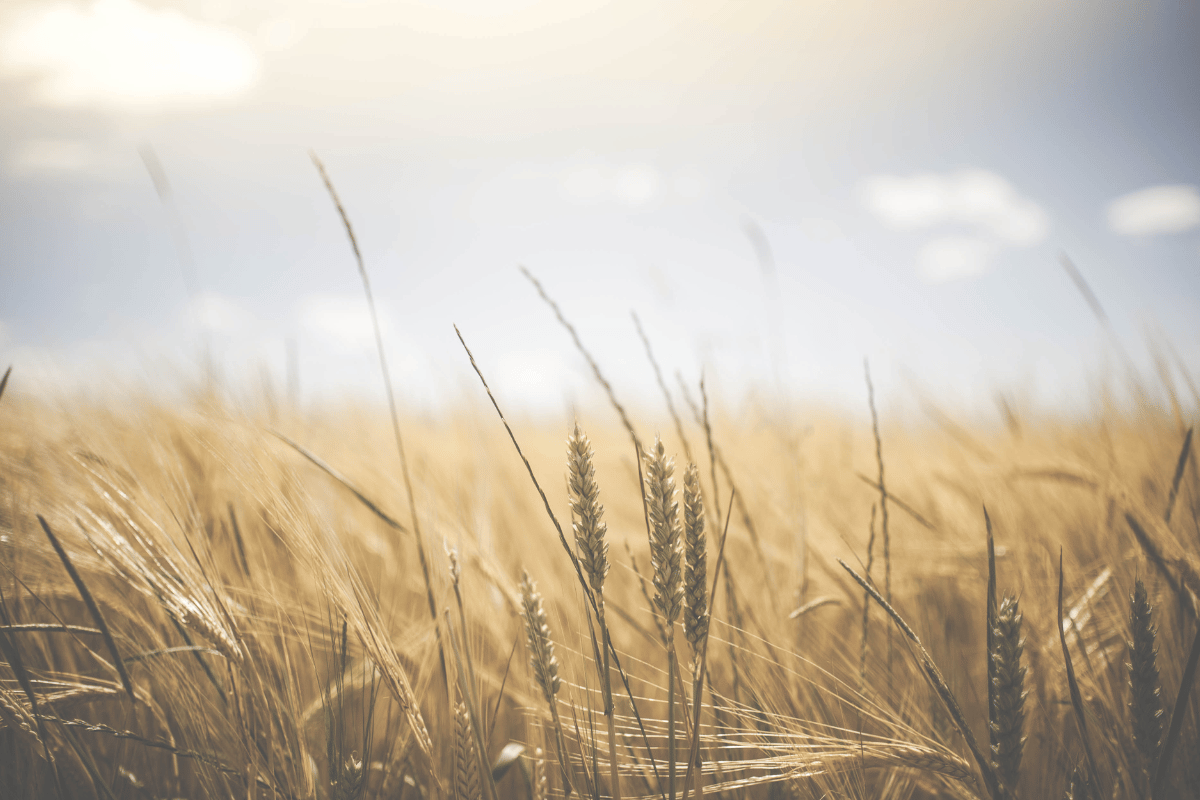
Reviving Ancient Wheat Cultivation in Vélez Blanco
Sowing
In Vélez Blanco, ancient wheat varieties such as Recio de Ronda, also known as Espiga Negra or Raspinegra, and Trigo Aurora, imported from France, were traditionally sown. Sowing typically occurred at the end of summer, in September. To prevent early development, the fields were grazed in November. Grazing stimulates deeper root growth and overall plant resilience.
Traditionally, wheat was sown in terraced plots irrigated through the traditional system of water reservoirs and canals established during the Nazarí kingdom.
Curiosity: Due to grain losses during the harvesting process, some of the seeds would naturally reseed. With a single irrigation and light tilling to incorporate the seeds, these grains would sprout for the next season.
Wheat was also sown in dryland areas, particularly in the region between María and Topares. Good harvests could still be obtained if approximately 200mm of rain fell in three moderate events during the cereal season.
Harvesting
Large combine harvesters cannot access the narrow terraces irrigated with traditional methods. To revive the tradition of sowing ancient wheat in these areas, a second-hand mini harvester-thresher (e.g., rice harvester) can be purchased collectively for
approximately €8,000. The critical feature is sufficient clearance for the tall stalks of ancient wheat varieties.
These wheat spikes are protected by long, coarse hairs that deter wild boars and other animals from feeding on them.
Mills
Vélez Blanco once had many water mills, which can still be seen along a well-marked trail starting near the gas station in Vélez Blanco and descending past the Cueva de los Letreros and under the Mahimón towards Vélez Rubio.
One such mill is located at the Fuente de los Molinos. Traditionally, local millstones were made of relatively soft local stone, which would shed residues into the flour, affecting its quality. Later, these stones were replaced with harder stones such as granite, basalt, or flint. The flint quarry in France, once the source for millstone-sized flint, is now depleted.
Cleaning
- Winnowing: The first step involved throwing the grain into the air using shovels or baskets on windy days. The wind carried away the light husks, dust, and other impurities, while the heavier grain fell back down.
- Screening: Various-sized sieves made of metal mesh, perforated leather, or woven fibers were used to separate small stones, earth clumps, and other debris.
- Washing (Optional): In some areas, the grain was washed to remove residual dust and dried in the sun.
- Dehulling: For grains like spelt or rice, the grain was pounded in wooden mortars or with wooden mallets to loosen the outer husk.
Milling
Hydraulic Mills: Water from rivers or streams powered the mill, turning a wheel connected to a shaft that rotated the upper millstone. The grain was poured through a central hole in the top stone, which ground the grain into coarse flour.
Sieving
A wooden drum with sieves of varying coarseness separated fine flour from bran. A second round of sieving could refine the flour further.
Revival of ancient wheat varieties
Francisco Javier López García, a young boulanger paysan (farmer-baker), is dedicated to preserving the tradition of growing ancient wheat varieties in the María – Los Vélez region. Javier sells his delicious bread at Carnicería Julián in María and at Panadería
Mis Delicias in Vélez Rubio. He lost his seed stock after several drought years but managed to recover them thanks to Agustín Troya, who conserves and distributes local ancient wheat varieties through Trigos de Ronda.
A farming couple in Vélez Blanco were the last to cultivate cereal in the valley. They managed to recover an authentic Vélez Blanco variety from a single, forgotten spike hanging in a shed. These seeds carry profound historical and emotional value for the region, symbolizing the recovery of local traditions and heritage grains adapted to the local climate.
Integration into the Pan-Iberian regenerative movement
This initiative aligns with the broader Pan-Iberian challenge led by the regenerative agriculture movement. It aims to restore local hydrological cycles through vegetation cover. Healthy vegetation acts as a natural regulator of the water cycle, preventing erosion, enhancing infiltration, and promoting stable rainfall patterns.
Vegetation cover stabilizes surface temperatures, preventing extreme heat that disrupts rain formation (Ellison et al., 2017). It also facilitates evapotranspiration, which cools the atmosphere and aids in cloud formation (Bonan, 2008). Additionally, plants release biogenic aerosols that act as cloud condensation nuclei, essential for initiating rainfall.
This initiative preserves cultural heritage and contributes to hydrological restoration and climate stabilization across the Iberian Peninsula by integrating ancient cereal varieties into terraced plots and promoting ground cover.
References
- Ellison, D., et al. (2017). Trees, forests, and water: Cool insights for a hot world. Global Environmental Change, 43, 51-61.
- Bonan, G. B. (2008). Forests and climate change: Forcings, feedbacks, and the climate benefits of forests. Science, 320(5882), 1444-1449.