


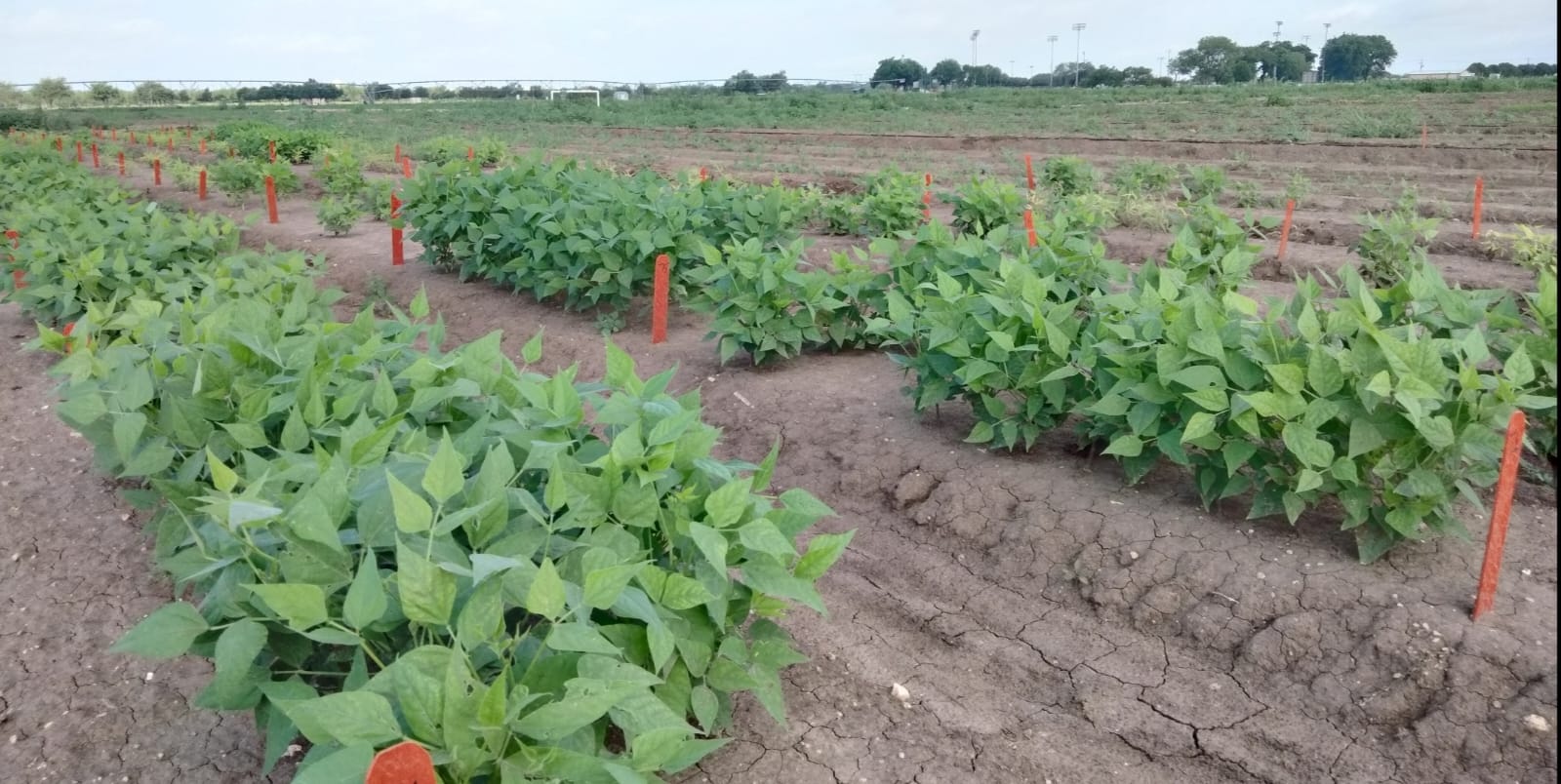
Introduction to tepary beans
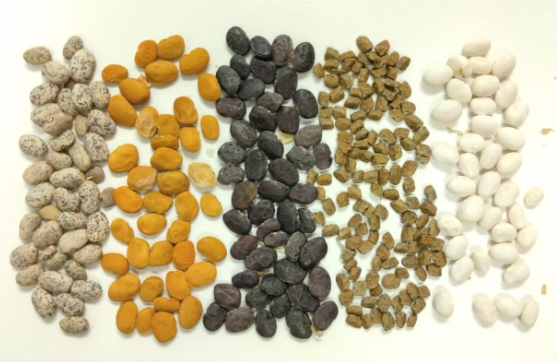
Tepary beans (Phaseolus acutifolius A. Gray) are native to northern Mexico and the southern United States. Traditionally cultivated by the Tohono O’odham tribe in the Sonoran Desert, these desert-adapted beans are small, highly nutritious, and available in colors such as white, brown, black, and speckled.
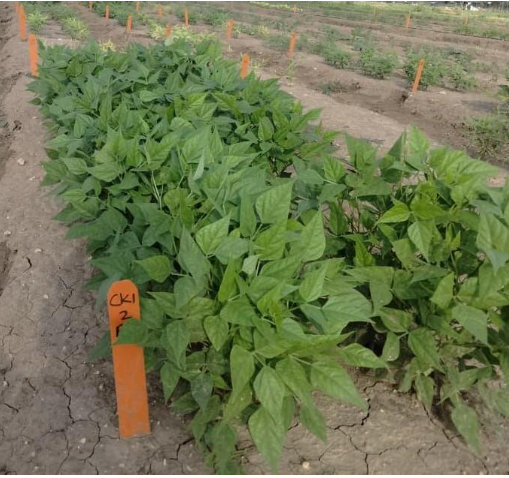
These beans hold cultural significance, with mythology likening the Milky Way to scattered white tepary beans in the sky. Domesticated varieties are larger than wild types but retain the resilience and adaptability of desert legumes.
Taxonomic profile of tepary beans
- Scientific name: Phaseolus acutifolius A. Gray
- Family: Fabaceae
- Common names: Tepary bean, Texas bean, Pavi, Bawĭ, Haricot Riz
Importance of tepary beans
Nutritional and health benefits
Tepary beans are one of the versatile legumes that support humans, animals, and the environment. They are a good source of protein and essential nutrients. They contain soluble fiber with low glycemic index. Studies reported that certain protein inhibitors in tepary beans
inhibit the growth of some cancerous cells (García-Gasca et al., 2002). Hence, it could be a good dietary option for everyone. They have a nutty and earthy flavor with a few varieties having a slight sweet flavor.
1. Tepary beans as a cover crop
Being native desert crops, tepary beans are naturally adaptive to heat and drought conditions. Hence, the potential is higher for tepary beans to replace some of the common beans which are not tolerant to high temperatures. As they belong to the legume family, they fix atmospheric nitrogen and help in nitrogen cycling. Hence, tepary beans could be used as a summer cover crop to protect the soil from high temperatures and to improve soil health. While using tepary beans as a cover crop, it is important to terminate and incorporate the plant material into the soil immediately after flowering to avoid full pod maturity.
2. Tepary beans as forage
The tepary plant has a trifoliate leaf structure with thin stems. Plant tissues contain less amounts of lignin. Hence, it promotes easy digestion in cattle, highlighting its potential as a forage option.
3. Tepary beans for human consumption
Tepary beans are a good source of protein, fiber and many essential nutrients. They can be consumed after thorough cooking and can be added to salads and other ingredients. They were once a staple food among many tribes, but slowly this superfood is getting neglected due to limited availability.
Varieties of Tepary beans
There are numerous wild and domesticated tepary bean varieties but the availability in the commercial market is limited. Only a few tepary bean varieties are currently grown by farmers in the southwest and are available in the market. Some of the varieties are,
- Sacaton Brown - Also known as S’oam bawi, from Menagers Dam region
- Sonoran White - White tepary beans from Sonora, Mexico
- Blue Speckled - Tan beans with blue speckles on the surface
- Frijol Tepari - White tepary beans from Ures, Central Sonora
- Sacaton White - Early-maturing tepary beans from Gila River region
Planting guidelines for tepary beans
Optimal planting season
Tepary beans are summer crops, best planted in mid-July.
Spacing and soil requirements
- Plant 4–6 inches apart in rows, 1 inch deep
- Seed rate: 25–30 lbs/acre (28-33.6 kg/ha) (USDA recommendation)
- Supplemental irrigation is beneficial, but excessive watering may reduce flowering and yield
Irrigation and growth management
Initial watering is crucial, but subsequent irrigation should only be applied under severe water stress to avoid excessive vegetative growth.
Cooking Tepary beans
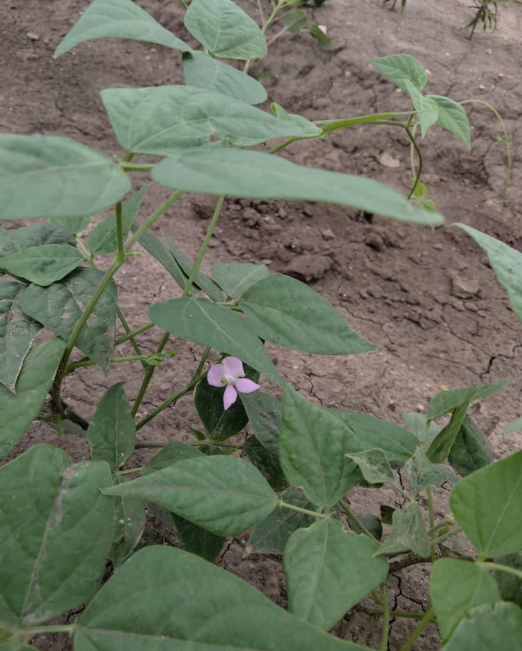
Tepary beans are dry beans. Hence, it is recommended to soak them for at least 6 to 8 hours before cooking. After soaking, they can be cooked or steamed using a pressure cooker or cooking pot. Cooked beans can be added to salads, curries or can be consumed just by adding salt and pepper.
References
- Wolf, M. 2018. Plant Guide for tepary bean (Phaseolus acutifolius). USDA-Natural Resources Conservation Service, Tucson Plant Materials Center. Tucson, AZ 85705.
- García-Gasca, T., L.A. Salazar-Olivo, E. Mendiola-Olaya, and A. Blanco-Labra. 2002. The effects of a protease inhibitor fraction from tepary bean (Phaseolus acutifolius) on in vitro cell proliferation and cell adhesion of transformed cells. Toxicology in Vitro 16 (2002) 229-233.
- Centers for Disease Control (CDC). 2014. Part II—Good food is power: A collection of traditional foods stories from the Ramah Navajo Community, Standing Rock Sioux Tribe and Tohono O’odham Nation. Native Diabetes Wellness Program, Centers for Disease Control and Prevention, Atlanta, GA.
- Celebration of Tepary Beans (Part 1) - By Melissa Kruse-Peeples, NS/S Education Coordinator. Published on June 11, 2015.
- Tepary Bean – Pressbooks