Agriculture is the foundation of Nepal's economy and the main source of livelihood for most of its people. The sector contributes roughly a quarter of national gross domestic product. It employs close to two-thirds of the working population, yet it remains largely subsistence-oriented, held back by low productivity, fragmented landholdings, limited mechanisation, and weak market orientation.
Nepal's agricultural trade balance has worsened in recent years as the country has come to rely more heavily on imported food. In the 2020/21 fiscal year, Nepal imported vegetable oils worth Rs 82.90 billion, cereals worth Rs 79.59 billion, and vegetables worth Rs 38.50 billion, a pattern that points to real gaps in domestic production and in the value chains that should connect farmers to markets.
Agribusiness, which covers the production, processing, marketing, and distribution of agricultural products, has become a practical route to modernise the sector and lift farmers' incomes. Moving from subsistence farming toward commercial agribusiness is now widely seen as central to Nepal's food security, rural employment, and long-term economic development.
Where agribusiness stands today
Nepal's varied agro-climatic conditions suit a wide range of enterprises, from cereals, fruits, and vegetables to livestock, medicinal plants, and high-value niche products. The sector still carries structural weaknesses, though, including:
- small and fragmented landholdings
- low mechanisation and technology adoption
- limited irrigation
- weak market infrastructure
- poor post-harvest management
- underinvestment in agricultural research and extension
The scale of two of those gaps is worth stating plainly. Only about a quarter of irrigable land has year-round irrigation, and investment in agricultural research sits below 0.3% of agricultural GDP, well under the 1% level widely recommended for a sector this important to the economy.
The opportunities worth pursuing
Agricultural value chains tie together production, processing, storage, transport, and marketing. Developing them well lowers transaction costs, raises competitiveness, and puts more of the final price back into farmers' hands, which is the single most direct way to make farming pay in Nepal.
Nepal also holds a genuine comparative advantage in several high-value products. Organic tea, coffee, ginger, large cardamom, medicinal and aromatic plants, honey, and off-season fruits and vegetables all travel well, and rising global demand for organic and speciality goods opens real export opportunities for Nepalese businesses.
Agro-processing is where much of the untapped value sits. Rice milling, fruit and vegetable processing, dairy, and packaging enterprises add value to raw produce and create jobs in rural areas, keeping more of the margin in the country rather than exporting it with the raw commodity.
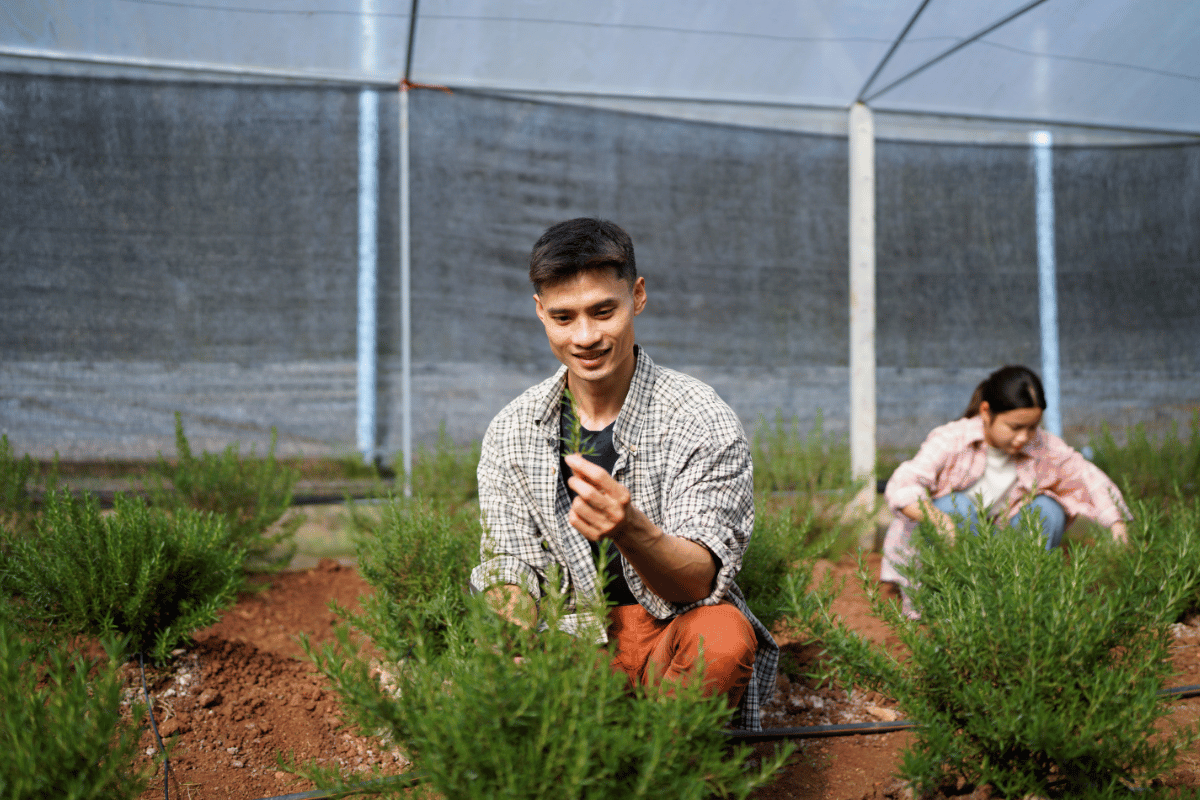
Digital tools are drawing young people back into the sector. Online platforms, precision agriculture, e-commerce, and agri-tech startups are creating business opportunities that look and feel different from traditional farming, and that matters for a country trying to keep its youth engaged in agriculture.
Sustainability adds a further layer of opportunity. Climate-smart practices, organic farming, resource recycling, and the use of agricultural residues can improve farm profitability and resilience while protecting the environment.
The obstacles in the way
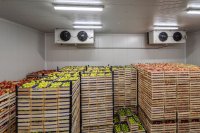
Poor rural roads, inadequate storage, and a thin cold chain drive up transaction costs and post-harvest losses, so a share of every harvest is lost before it ever reaches a buyer.
Markets are often dominated by intermediaries, which narrow farmers' bargaining power and take a cut of their profits. Limited access to credit and investment then discourages the very commercialisation and expansion that agribusiness depends on.
Climate change compounds all of this. Floods, droughts, and increasingly erratic rainfall threaten both productivity and food security, and they fall hardest on the smallholders least able to absorb the shock.
Policy is the last piece. Nepal has introduced several agricultural strategies over the years, but weak implementation and poor coordination between institutions continue to blunt their effect on the ground.
What sustainable agribusiness will require
Progress will depend on a handful of interconnected moves: expanding irrigation and mechanisation, strengthening value chains, building agro-processing capacity, investing more in research and extension, encouraging youth entrepreneurship and digital agriculture, and adopting circular and climate-smart practices.
Nepal has the ingredients for a strong agribusiness sector, its diverse agro-climatic zones, its biodiversity, and a widening set of market opportunities. The structural obstacles are equally real, from infrastructure and finance to climate vulnerability and thin commercialisation. Turning Nepalese agriculture into a market-oriented, technology-enabled, and environmentally sustainable system is what will decide whether the sector can deliver the food security, jobs, and growth the country needs.
Sources
World Bank. Agriculture, forestry, and fishing, value added (% of GDP), Nepal.
Nepal Economic Forum. Nepal's agricultural landscape, assessing the government's stance.
Government of Nepal, National Planning Commission. The Fifteenth Plan (Fiscal Year 2019/20 to 2023/24).