Introduction: A Shift from Maize to Sorghum
For the last eight years, I have trained and promoted organic farming and permaculture across East Africa, working with smallholder farmers in Kenya, Uganda, Tanzania, the Democratic Republic of Congo, and Somalia. My mission has been to help farmers transition to more sustainable agricultural practices.
The Decline of Maize Farming in East Africa
In most of these regions, maize and beans dominate farming systems. Maize is the staple, enjoyed as ugali (a stiff porridge made from maize flour) or githeri (a mix of boiled maize and beans). Growing up, this was the norm in my village, too. But as I traveled and worked with farmers across different landscapes, a worrying pattern emerged—maize yields were declining at an alarming rate. Some farmers were harvesting as little as five bags per acre!
The primary culprit? Soil depletion. Decades of continuous maize cultivation, without crop rotation or soil regeneration, had drained nutrients from the land. But that wasn't the only problem. Farmers had become heavily dependent on external inputs like hybrid seeds, synthetic fertilizers, pesticides, and herbicides. Not only did this drive up production costs, but it also led to food laden with toxic chemicals.
The story was the same everywhere I went: low maize yields, degraded soils, and increased reliance on expensive agricultural inputs. Traditional mixed cropping was being abandoned in favor of monoculture maize farming, fueled by the promise of higher yields that never materialized. The result? A vicious cycle of dependency, deforestation (to clear more land for maize), declining rainfall, and deepening poverty.
Searching for an Alternative
Determined to break this cycle, I first introduced farmers to heirloom maize. Traditional varieties that they could save and replant season after season. But this introduced a new challenge: unlike the pure white hybrid maize they were used to, heirloom maize comes in shades of red, yellow, and purple. Farmers resisted it simply because they didn't want to eat colorful ugali! They didn't realize these varieties were far more nutritious than the white hybrids.
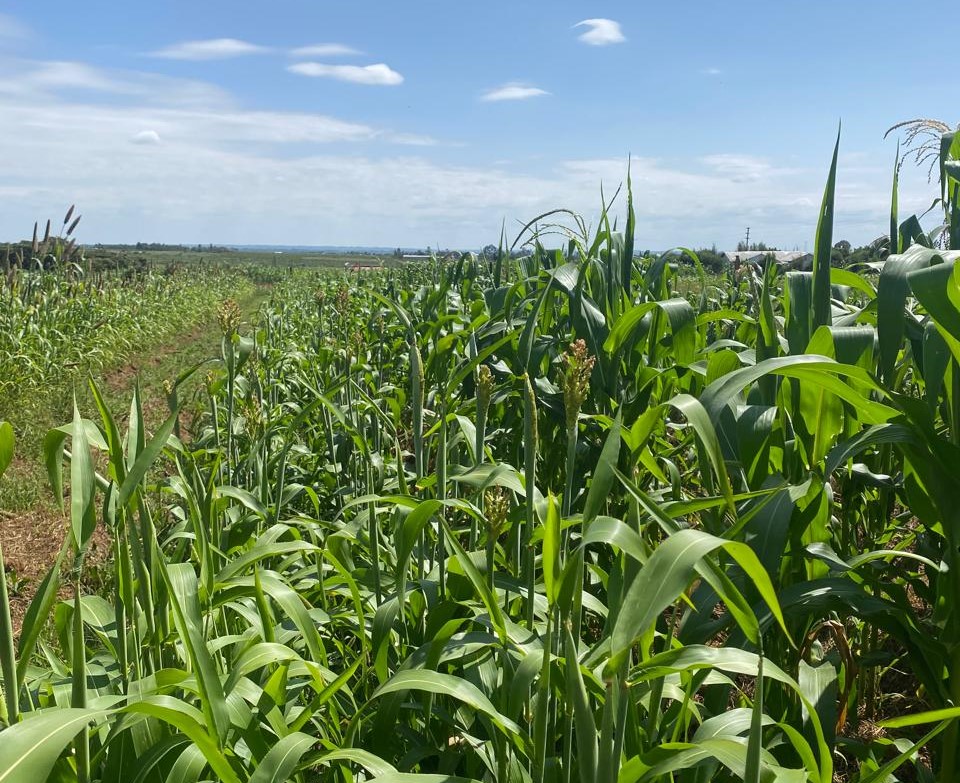
Cross-pollination was another problem. Farmers often planted heirloom maize alongside hybrid varieties, leading to genetic contamination and loss of purity. It became clear that maize, whether heirloom or hybrid, wasn’t the best solution for these struggling farmers. That’s when I turned to sorghum.
Why Sorghum? A Climate-Resilient Solution
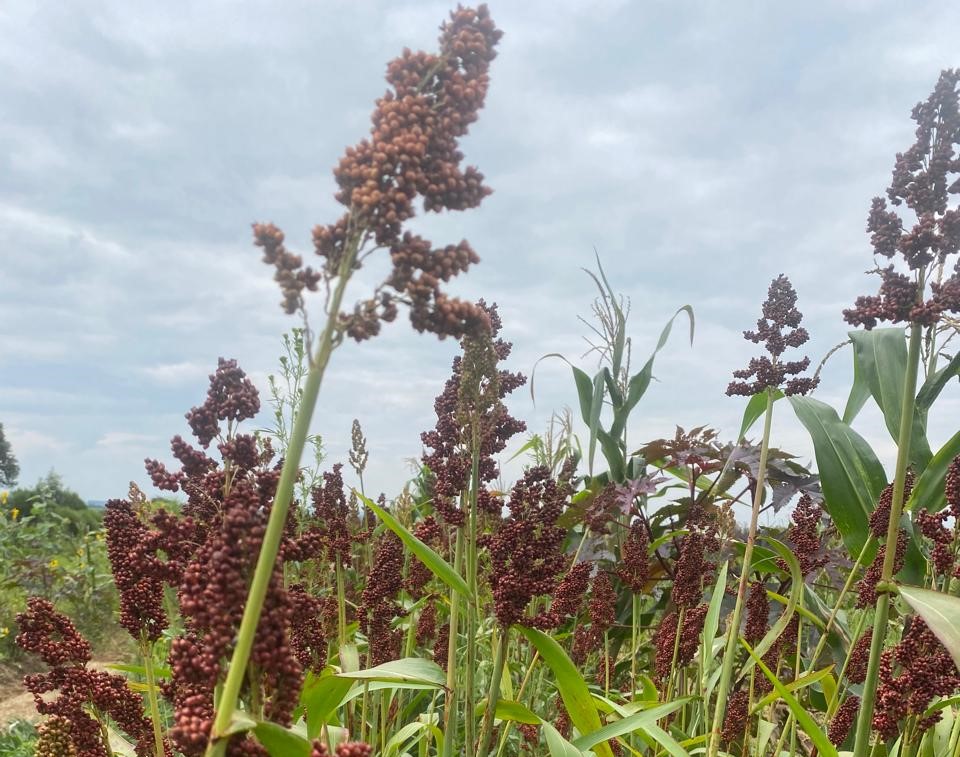
Sorghum is a resilient, drought-tolerant, and multipurpose crop, an ideal alternative to maize in drylands. It can be used to make ugali, porridge, and even as a rice substitute. Farmers can also use it as livestock feed, both as grain (for chickens) and fodder (for herbivores). Unlike maize, sorghum thrives in depleted soils with minimal rainfall, making it a perfect choice for Laikipia's dry climate.
Growing Sorghum in a Syntropic Agroforestry System.
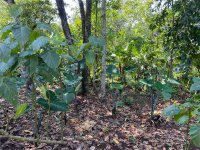
In my regenerative farm, I grow sorghum in a syntropic agroforestry system intercropped with fruit trees, vegetables, and herbs. The combination of different plants creates a lush, green landscape, even during dry seasons. Sorghum, being a C4 grass, is highly efficient at carbon sequestration and grows faster than many other crops.
Propagation and Sowing
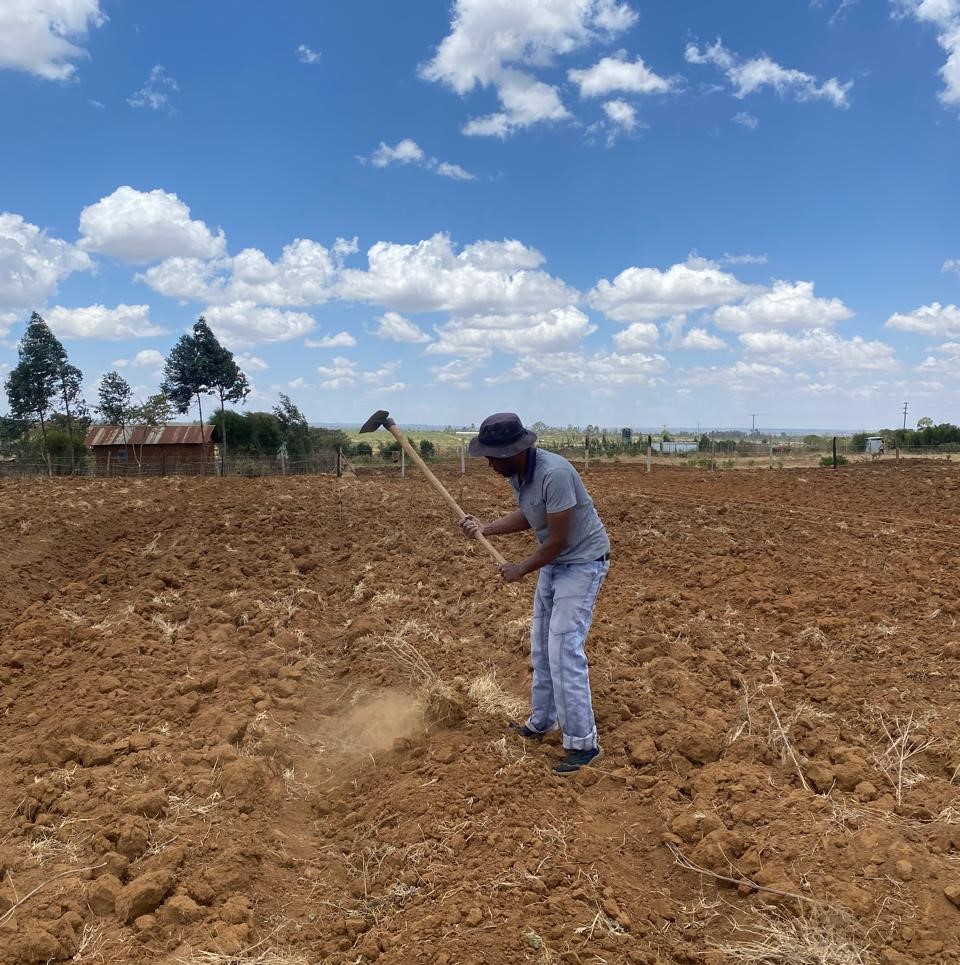
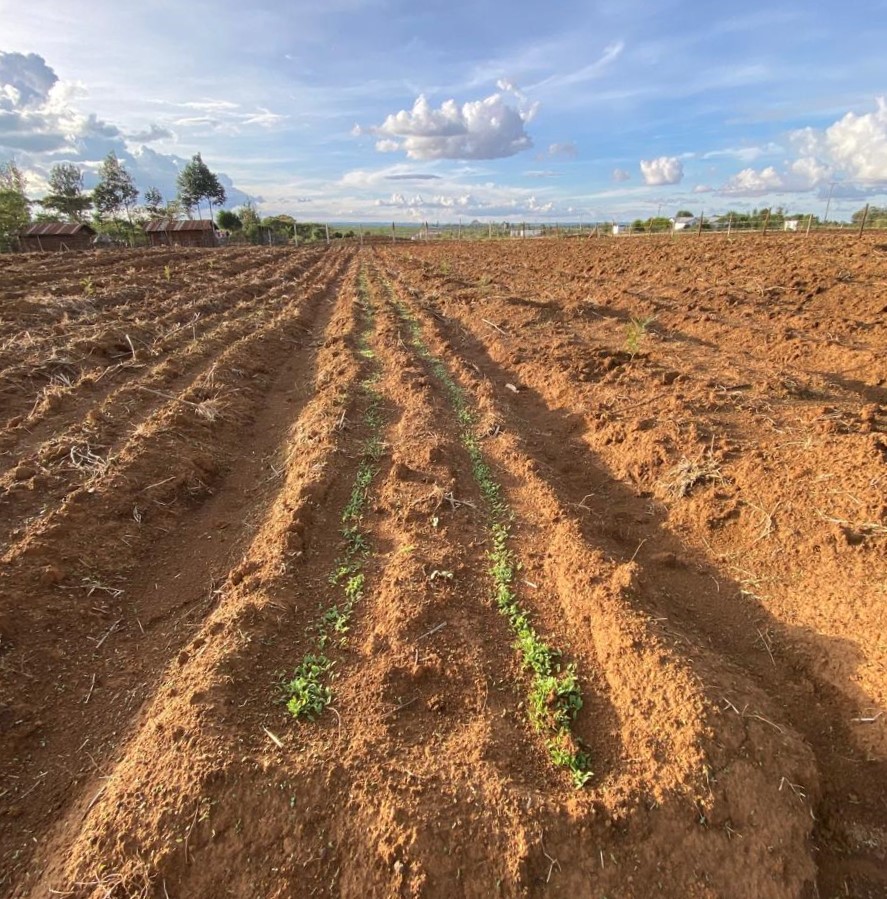
Sorghum is incredibly easy to grow. Since I promote minimal tillage, I prepare my fields using raised beds with defined paths to prevent soil compaction. I then create two furrows per bed, spaced 40 cm (15.7 in) apart, and plant the sorghum seeds just before the rains arrive. The seeds are sown closely together, reducing the need for weeding.
Crop Management and Harvesting Sorghum
Within a month, any emerging weeds can be uprooted by hand.
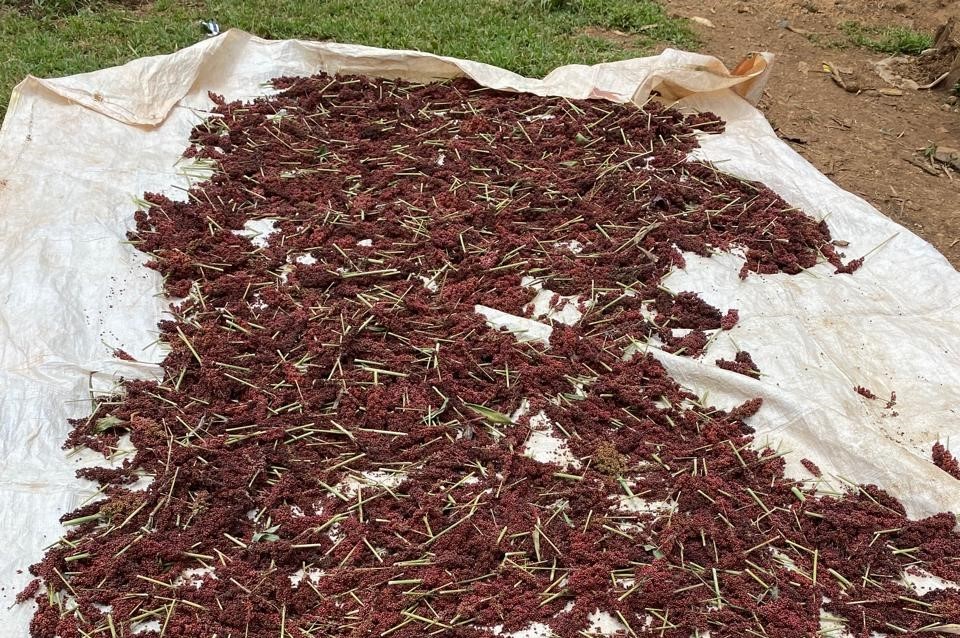
Sorghum heads start forming by the third month and reach full maturity by the fourth.
I harvest by cutting the heads and then rattooning, cutting back the stalks at the base to encourage regrowth. This allows me to get a second harvest from the same plants within three months, and sometimes even a third.
Sorghum stalks are highly valuable. I use them to make compost, mulch, or livestock fodder. Additionally, I’ve observed that bees love sorghum pollen. Every morning, swarms of bees visit the flowers, making it an excellent crop for pollinator conservation.
Protecting Sorghum from Birds
Many farmers worry about birds feeding on their sorghum. However, I’ve found that bird damage is highest in areas where native trees have been cleared, leaving birds with no natural food sources.
The solution? ;Trap crops.
By planting bird-friendly fruit trees like mulberries and gooseberries, farmers can divert birds away from their sorghum fields. Given a choice, birds will always prefer fruits and berries over grains.
Processing and Cooking Sorghum.
Once the sorghum heads are fully dry, I thresh them to separate the grains. Sorghum has a tough outer husk, but gentle hand grinding helps remove it.
Storage
Sorghum is far less vulnerable to weevils than maize, but proper drying and storage are still essential. I carefully sort and store my best seeds for the next planting season while keeping the rest for consumption.
Culinary Uses of Sorghum
Sorghum can be ground into flour and used to make:
- Ugali – Just like maize, but more nutritious.
- Porridge – A rich, healthy breakfast option.
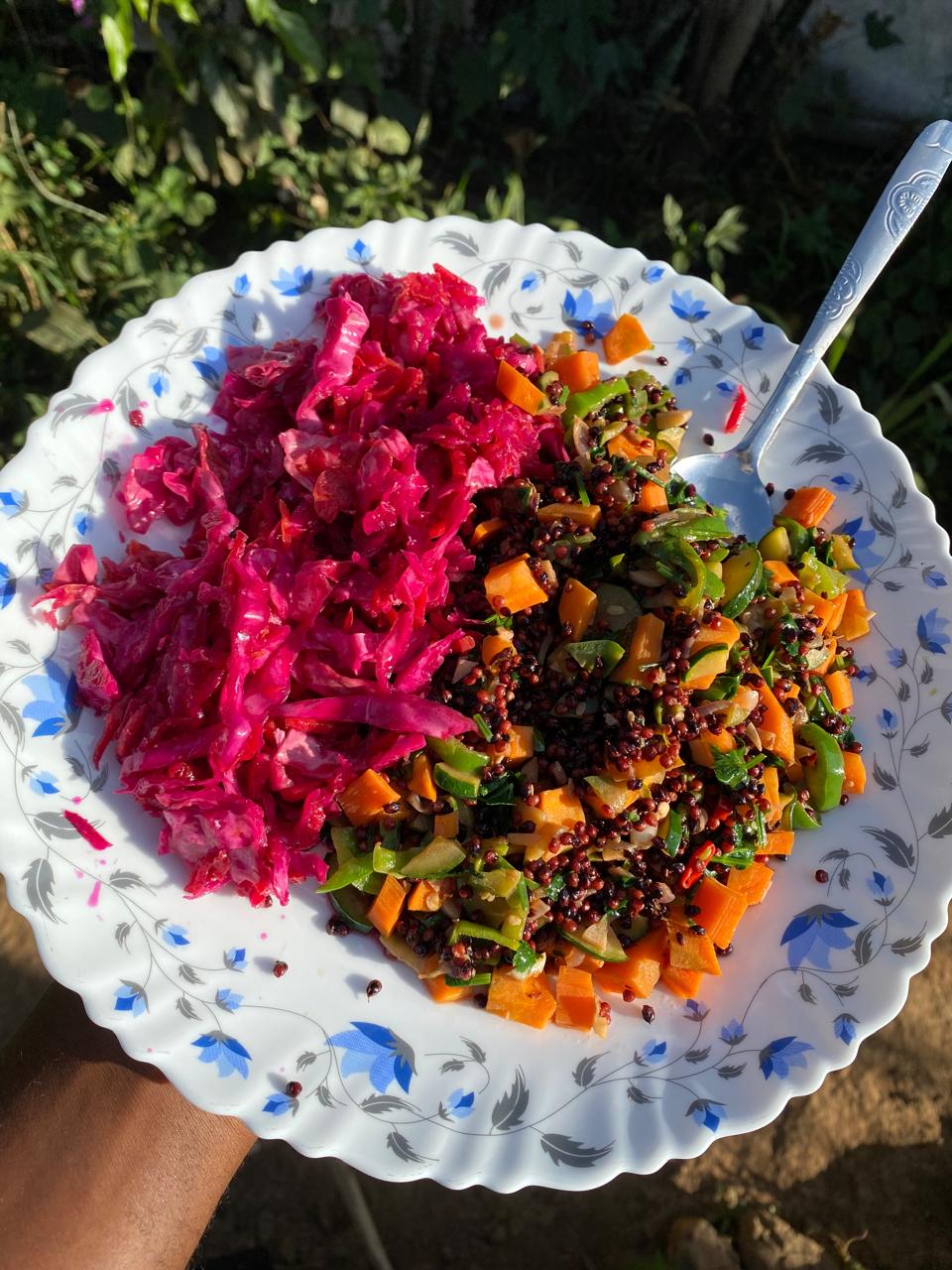
- Rice Substitute – Cooked whole, sorghum grains make a fantastic alternative to rice. I’ve experimented with this, and the results were phenomenal!
Why More Farmers Should Grow Sorghum?
Sorghum is more than just a food crop. It’s a climate-resilient solution for dryland farmers. It requires fewer inputs, regenerates soil health, and provides multiple harvests per season. With the increasing challenges of climate change, declining rainfall, and soil degradation, transitioning from maize dependency to sorghum farming could be a game-changer for food security in East Africa.
I encourage more farmers to embrace sorghum. It's time to rethink our crops, diversify our farms, and cultivate resilience for the future.