


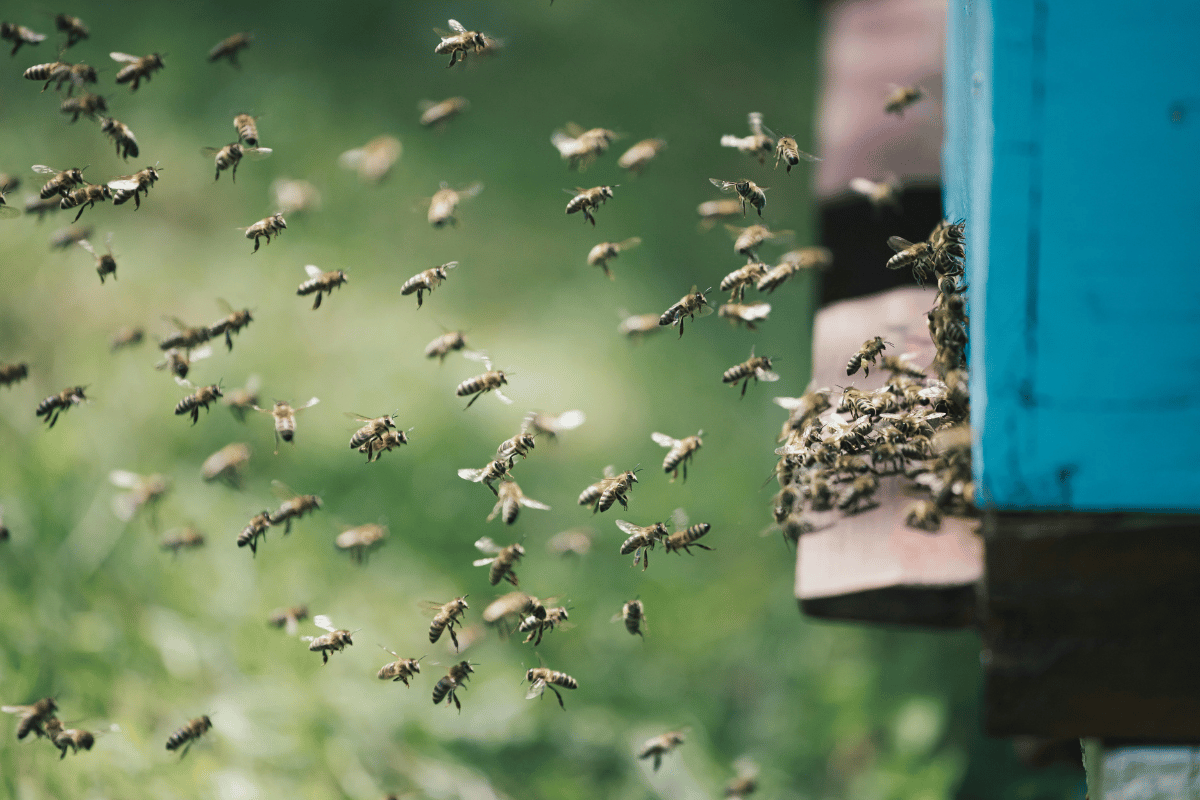
Beekeeping is one of the oldest agricultural practices in the world, and for good reason. A well-managed hive produces honey, supports pollination, and contributes to farm productivity through the work bees do beyond their own colony. Yet many beekeepers, especially beginners, lose colonies every year because of poor hive management. Whether you are tending two hives in your backyard or managing hundreds on a commercial farm, understanding and applying the right techniques can make a real difference to colony survival and honey yield.
This article walks through the most effective hive management practices, why they matter, and how you can start applying them today.
What hive management is and why it matters
Hive management is the regular inspection, monitoring, and care of a bee colony and its physical hive structure. Good management keeps you one step ahead, identifying problems before they become disasters, ensuring the queen is healthy, and giving the colony the space and resources it needs to thrive.
Poor management leads to a familiar set of outcomes. Colonies collapse or die, disease and pest pressure rises, honey production falls, and swarming carries away a large part of the bee population. For farmers, healthy bees mean better pollination of fruits, vegetables, and oilseeds, which translates into stronger yields and farm income.
Regular hive inspections
Regular inspection is the foundation of every other practice in this article. Beekeepers should open and inspect hives every 7 to 14 days during the active season in spring and summer, and minimise inspections during winter to avoid heat loss.
During an inspection, look for a healthy laying queen by checking for eggs and young larvae in a consistent pattern. Check for signs of disease such as discoloured brood, unusual smell, or deformed bees. Look for pests, especially Varroa mites, which appear as reddish-brown dots on adult bees. Make sure the colony has enough honey and pollen stores, and check that there is space for expansion, since overcrowding triggers swarming.
Keep a hive journal. Note the date, the colony's strength, queen status, and any observations. Records help you spot trends across seasons and act quickly when something changes.
Swarm prevention and management
Swarming is the natural behaviour where a queen and a large group of worker bees leave the hive to form a new colony. It is a healthy part of bee biology, but for the beekeeper it means losing a significant share of the bee population and the honey they would have produced.
The most effective swarm-prevention practices are timing-based. Add supers (extra boxes) when the hive is about 70 to 80% full, so the bees always have somewhere to expand. Watch for queen cells (elongated, peanut-shaped cells), which are the clearest sign that swarming is imminent. When the colony is genuinely strong and crowded, splitting the hive is one of the most reliable swarm-prevention methods, and it has the added benefit of increasing your number of hives.
If you find queen cells, you can either remove them as a temporary fix or perform a controlled split before the bees swarm on their own.
Queen management
The queen is the heart of the colony. A healthy queen can lay around 1,500 eggs per day during the spring build-up, sometimes pushing toward 2,000, which keeps the worker population strong and replaces the bees that die during the active season. Poor queen performance leads to a weak colony that is vulnerable to disease and collapse.
Several practices keep queen quality high. Requeen every 1 to 2 years, since young queens are more productive and less likely to swarm. Mark your queen with the colour-coded paint pen recommended by your beekeeping association for the year, which makes her much easier to find during inspections. Learn to recognise the signs of a failing queen, including spotty brood patterns, increased drone brood, or no eggs at all.
If you find a queenless colony, act quickly. You can introduce a mated queen from a reputable supplier, or allow the colony to raise its own queen from existing young larvae through emergency queen cells.
Varroa mite control
Varroa destructor is the most dangerous parasite threatening bee colonies worldwide. These tiny external mites attach to bees and their larvae, weakening them and transmitting viruses. Without intervention, a Varroa infestation can destroy a colony within one to three years.
Monitoring is what gives you the data you need to decide on treatment. The alcohol wash and sugar roll methods take a sample of about 300 bees, wash or shake them with powdered sugar, and count the mites that fall. An infestation level above 2 to 3 mites per 100 bees calls for treatment. A sticky board placed below a screened bottom board lets you count mites falling naturally over 24 hours.
Treatment options fall into three main groups. Organic acids such as oxalic acid (applied by dribbling, vaporisation, or sponge) and formic acid are widely used and leave no harmful residues in honey. Thymol-based treatments derived from thyme oil work well in warm weather. Synthetic miticides are stronger options, but resistance can develop with repeated use, so rotate treatments rather than relying on one product season after season.
Always follow the manufacturer's instructions and local regulations when treating. Treatment in broodless periods such as late autumn or winter is usually the most effective, especially with oxalic acid.
Disease prevention and biosecurity
Beyond Varroa, honeybee colonies face several serious bacterial and fungal diseases. The two most damaging are American Foulbrood (AFB), a devastating bacterial disease that destroys brood and often forces beekeepers to burn infected hives, and European Foulbrood (EFB), which is less severe but still weakens colonies and tends to appear under stress or poor nutrition.
Prevention is mostly about hygiene and good handling. Use clean, sterilised equipment between hives. Avoid buying second-hand equipment that has not been properly sterilised. Move frames between hives only when there is a real reason to do so. Feed weak colonies to support their immune response. Learn to recognise disease signs early, such as twisted or sunken cappings on brood cells, and the distinctive rotting odour that AFB produces.
In many countries, AFB is a notifiable disease, so any suspected case should be reported to your local agricultural authority. Failing to report can spread the infection across neighbouring apiaries and across the wider region.
Feeding your bees
Bees collect nectar and pollen from flowers, but there are predictable times when forage is scarce, particularly in early spring before the main bloom and during summer drought. Supplemental feeding can prevent colony starvation and support brood production at the right moments.
Sugar syrup at a 1:1 ratio in spring stimulates brood production, while a thicker 2:1 ratio in autumn helps build winter stores. Frame feeders or top feeders are the standard delivery methods. For winter, fondant or candy boards (solid sugar blocks placed on top of the frames) work well, since liquid syrup can freeze and become unusable. Pollen substitutes (powdered supplements that mimic pollen) help in early spring when natural pollen is still limited.
Avoid feeding honey from unknown sources. It can introduce diseases such as AFB into your hive, and the spores survive for decades.
Seasonal hive management
Each season has its own priorities. In spring, inspect for winter losses, check the queen's laying pattern, add space as the colony expands, and watch closely for swarming. In summer, harvest honey, maintain good ventilation through entrance reducers or screened bottom boards, and continue Varroa monitoring. In autumn, treat for Varroa during the broodless period when treatment is most effective, ensure winter stores are adequate (at least 15 to 20 kg of honey per colony in temperate climates), and reduce the hive entrance to keep out mice and cold winds. In winter, minimise disturbance, provide insulation if your climate calls for it, ensure ventilation to prevent condensation, and check on food stores periodically without opening the hive fully.
Tips for new beekeepers
A few habits make the first years easier. Join a local beekeeping association, where experienced mentors are usually willing to help and many groups offer hands-on training. Start with two hives so you have a reference point for what a healthy colony looks like. Wear proper protective gear at all times, including a well-fitted suit, gloves, and veil. Use a smoker correctly, with cool white smoke that calms the bees rather than agitating them. Move slowly and deliberately during inspections, since bees respond to quick or aggressive movements with the same.
The connection between healthy bees and farm productivity
Bees contribute to the pollination of about a third of the food we eat. For farmers growing crops like almonds, apples, cucumbers, sunflowers, or rapeseed, well-managed hives nearby can significantly raise yields. Studies from agricultural research institutions consistently show that farms with healthy bee colonies in or near their fields produce larger and more uniform fruit and seed crops.
Investing time in hive management is therefore part of supporting a wider farming ecosystem, and the returns reach beyond the honey you take from your own hives.
Conclusion
Good hive management is a skill that improves with practice and observation. Regular inspections, staying ahead of swarming, looking after the queen, controlling Varroa, and adjusting your work through the seasons give your colonies the best chance of surviving and thriving. Healthy bees produce more honey, pollinate more crops, and contribute to a more productive and sustainable farm.
Start small, stay consistent, and keep learning. The bees will reward your dedication.