

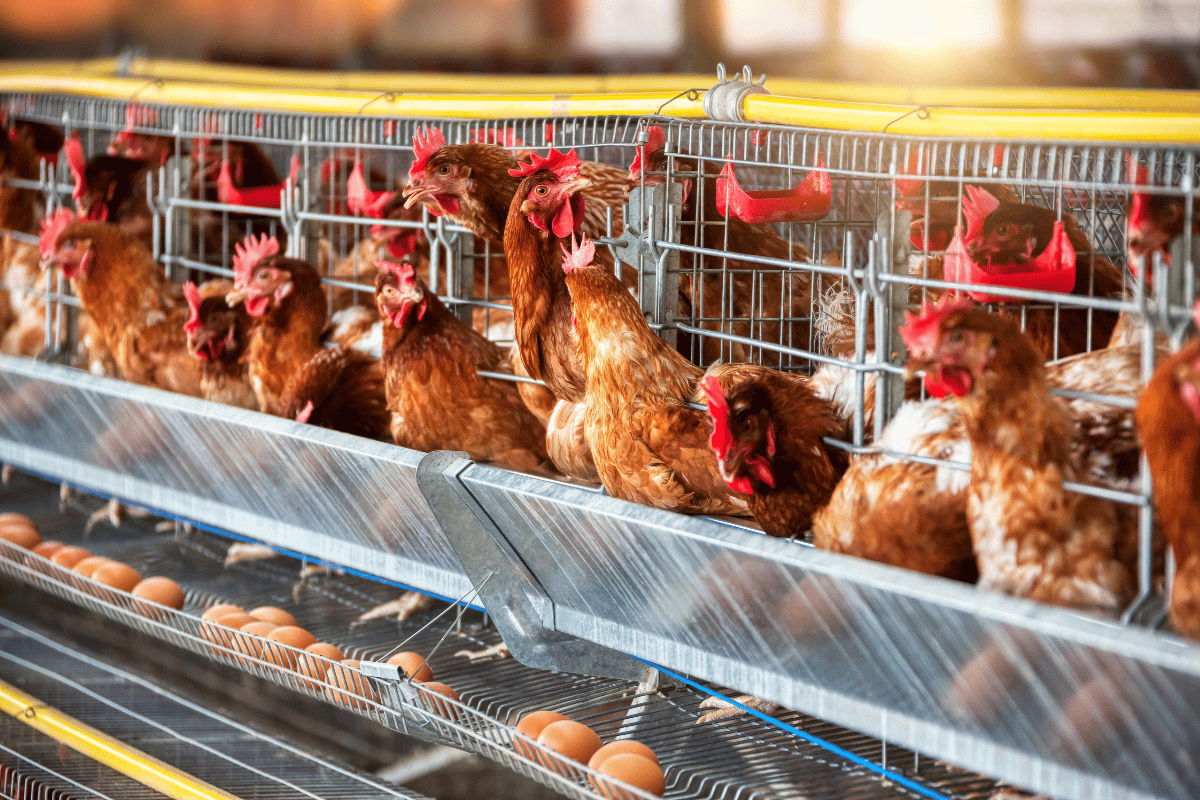
Intestinal integrity is the building stone of the poultry industry. The idea is that poultry converts feed ( corn and soybean meal for example) into meat or eggs via the digestive system, specifically the intestine. One of the clearest signs of intestinal integrity is the droppings' color, consistency, and volume.
Diarrhea is characterized by an increase in the volume of droppings and/or a decrease in their consistency, often resulting in higher water content.
The direct impact of diarrhea is the loss of a portion of the feed provided to the flock, leading to a poor feed conversion ratio (FCR) and reduced production, whether for meat or eggs.
A Simple Primitive Manual for Diarrhea
Color of Diarrhea
The normal color of droppings is similar to or slightly darker than the color of the feed. If there is a change in color, this indicates a potential problem.
Green Diarrhea:
This means your bird is experiencing anorexia, causing bile (green) to remain unmixed with sufficient amounts of feed or excreta. This color can be seen in viral infections such as Avian Influenza, Newcastle Disease, Cholera, etc.
Red Diarrhea:
Red diarrhea indicates hemorrhage in the lower intestine or colon. It is commonly observed in cases of coccidia infection affecting the ceca (E. tenella). Blood may also appear in some cases of Gumboro Disease.
Yellow Diarrhea:
Yellow diarrhea is typically seen in most cases of Gumboro Disease.
Brown Diarrhea (with small gas bubbles and foul odor):
This suggests Clostridium infection, one of the most common causes of diarrhea. Clostridium is naturally present in the intestine.
Whitish Diarrhea:
This may result from cold weather, Salmonella infection, or Infectious Bronchitis Virus. Whitish diarrhea suggests kidney involvement. In normal droppings, a white cap of urates from the kidneys is visible.
Black Diarrhea:
Black diarrhea is usually caused by blood from the upper intestine that has been digested or due to mycotoxins.
In some cases, diarrhea may appear watery but retain the same color as the feed. This is the most common type of diarrhea and can have multiple causes, including:
- Water Line Leakage: Often seen in small, older poultry houses where droppings accumulate.
- Increased Water Consumption: Common during hot weather conditions.
- Excess Salt in Feed: Elevated salt levels in the feed can lead to increased water intake and watery droppings.
- Infectious Diseases: Bacterial infections from contaminated water, feed, or infected birds can trigger diarrhea.
- Feed Changes: Sudden or improper feed changes may result in transient diarrhea.
Important Note: Clostridium infections are often caused by feed contamination with bird droppings.
How to Control Diarrhea in Poultry
When diarrhea occurs, the first step is to consult a veterinarian for proper diagnosis and treatment. If bacterial causes are suspected, it is important to add chlorine or another appropriate water disinfectant to the drinking water to help eliminate harmful pathogens and reduce the spread of infection.
How to Prevent or Minimize the Likelihood of Diarrhea
- Biosecurity Measures: Biosecurity is typically one of the first and most important steps in preventing disease outbreaks.
- Clean, Contaminant-Free Water Source: Ensuring the water source is free from contamination helps to prevent diarrhea.
- Clean, Uncontaminated Feed: Using uncontaminated feed reduces the risk of digestive problems.
- Pelleted Feed Over Mash Feed: In broiler poultry, pelleted feed is often preferred because it is heat-treated, which helps reduce contamination risks.
- Clean Feed Troughs: Keeping feed troughs free from contamination and droppings can prevent the spread of illness.
- Probiotics During Stressful Periods: Adding probiotics during times of stress, such as when changing feed or during transportation, can support gut health.
- Water Disinfection: If there are concerns about water contamination, adding chlorine or other suitable water disinfectants can help eliminate potential pathogens.
References
Diseases of Poultry, 13th Edition P – Wiley