


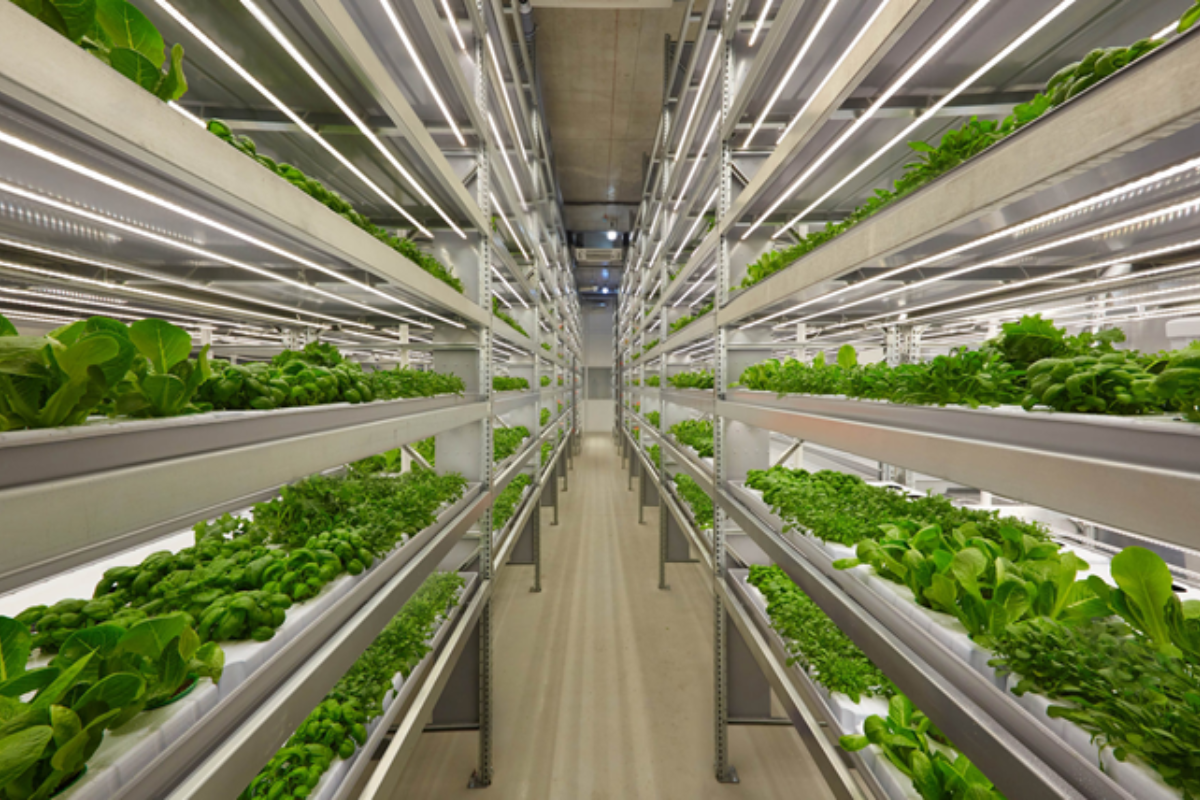
How renewables power the green revolution
Indoor farming, from glasshouse tomatoes to stacked vertical farms, has moved from novelty to necessity. It promises higher yields, year-round production, and dramatically reduced water use. But it also asks a blunt question: where will all the electricity and heat come from? The short answer is that increasingly, energy is being sourced from renewable sources and cleverly utilized, which together reduce operating costs, cut emissions, and make controlled-environment agriculture (CEA) genuinely sustainable.
Solar and the bottom line
Solar PV is the poster child for how renewable energy reduces production costs. Utility and small-scale PV costs have fallen significantly over the last decade, and many recent studies indicate that new solar projects are now cheaper than fossil fuel generation in most markets. For farmers, this translates to direct savings on grid bills and, for many, an opportunity to lock in predictable energy costs for decades, which is a major advantage against volatile fossil fuel prices. Battery storage costs have also plummeted, enhancing the value of coupled PV+storage systems that smooth out production and enable lights, pumps, or heat pumps to operate when the sun is down. Well, and when it comes to heat, which is needed in such an indoor farming system, we should have a deeper talk about solar thermal systems, including seasonal heat storage.
LEDs, photons, and the law of diminishing kilowatts
Lighting is often the most significant electricity draw in indoor farms. Modern horticultural LEDs have become vastly more efficient than legacy fixtures, delivering multiple micromoles of photosynthetic photons per joule (µmol·J⁻¹), and pushing the theoretical and practical limits of efficacy. That means more crop per kWh. Practically, switching from HPS or inefficient LEDs to high-efficacy LED fixtures, combined with effective lighting strategies (such as dimming, spectral tuning, and zoning), can significantly reduce lighting energy use while improving quality. The technology is still improving: high-efficacy fixtures routinely reach the 2.5–3 µmol·J⁻¹ range, while theoretical limits are a bit higher.
Heating solutions for CEA: heat pumps, waste heat, and thermal cleverness
Heating, especially in temperate climates, is the other major energy line item. Heat pumps (air-source and ground-source) offer significant benefits: coefficients of performance (COPs) of 3–5 mean three to five units of heat are generated per unit of electricity, thereby reducing fossil fuel use and emissions when powered by renewable energy. Where available, waste heat recovery (from on-site CHP, nearby industry, or biogas) can be a game changer. Practical systems increasingly combine heat pumps with thermal storage (such as water tanks or phase-change materials) and smart controls to shift heating to periods of cheap renewable energy generation. Studies and regional case work show viable pathways to replace oil or gas boilers with low-carbon heat solutions in greenhouses.
And here it needs to be repeated, too: When it comes to heat, which is essential in such an indoor farming system, we should have a deeper discussion about solar thermal systems, including seasonal heat storage.
Energy-efficiency strategies that actually pay
Before adding solar panels or a heat pump, squeeze out waste. The low-hanging fruit usually pays fastest:
- Insulation & airtightness: better covers, double glazing, and thermal screens reduce night losses.
- Thermal screens: deploy at night and during cool hours to trap heat and cut heating demand.
- HVAC & fans: variable-speed drives, better seals, and demand-controlled ventilation reduce blower energy.
- LED lighting controls: dimming, dynamic spectra, and plant-level scheduling lower lighting load and tailor growth.
- Heat recovery: plate heat exchangers on exhaust air and water loop recovery systems reclaim sensible and latent heat.
Reviews of energy use in European greenhouses show these measures together can dramatically lower fuel and electricity needs — and often pay back within a few seasons.
Practical, step-by-step transition plan for farmers
- Measure first. Start with an energy audit (or a smart meter) to find the biggest sinks.
- Quick wins. Fix leaks, add thermal screens, upgrade insulation and controls — these are cheap, fast returns.
- Switch to efficient lighting. Replace HPS or old LEDs with high-efficacy fixtures and use zoning/scheduling.
- Electrify heat where possible. Evaluate heat pumps, waste heat, or biomass CHP depending on local fuel economics.
- Add on-site renewables. Install PV sized to daytime loads; consider agrivoltaics where crop and panel sit harmoniously. Couple with batteries only where grid economics or resilience justify the cost.
- Smart control & demand response. Use simple automation to shift energy-intensive tasks into high-solar hours or when grid prices are low; explore incentives or grid programs.
- Explore financing & incentives. Many regions offer grants, low-interest loans, or tax credits for energy efficiency and renewables — factor these into business cases.
A few caveats and a bright punchline
Not every farm needs to be a fully off-grid vertical farm. Economics, climate, and crop choice matter. But the trend is clear: renewables + efficiency reduce both cost and climate risk. As the price of solar and storage continues to decline (and policy nudges favor low-carbon choices), the business case for low-carbon indoor farming strengthens, which is great news unless you’re a coal plant with commitment issues.
In short: think photons, not fossils. Measure, iterate, and pair efficiency with renewables. Do that, and your next harvest will be greener, in terms of color, margins, and emissions.
Sources
From physics to fixtures to food: current and potential LED efficacy — Horticulture Research
Applied Sciences 12: 5150 (MDPI), via AgroFossilFree (PDF)
Around 90 Renewables Cheaper Than Fossil Fuels Worldwide Irena Says 2025 07