


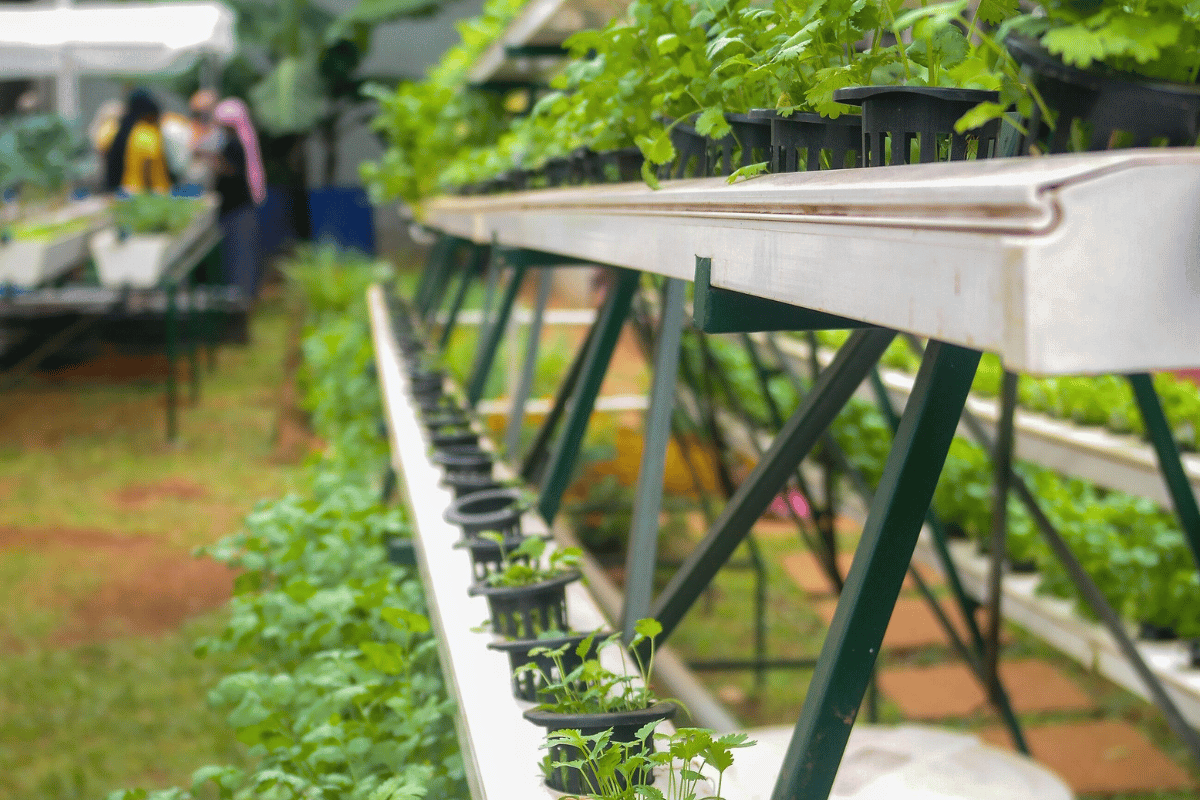
Hydroponics is often presented as the future of farming. Spend some time online, and you will find videos showing clean setups, rows of healthy plants, and claims of very high profits. It almost looks like a perfect system where plants grow faster, use less water, and generate strong returns.
But when you start looking at hydroponics not just as an idea but as a business model, the picture becomes much more complex. Hydroponics has huge potential, but it also comes with serious costs, risks, and operational challenges that people rarely discuss in enough detail.
I say this not just from observation, but also from first-hand experience. I previously worked as a Business Development Manager in a hydroponics firm, where I was closely involved in understanding how the industry actually functions, from pitching projects and interacting with clients to seeing the operational and financial realities behind hydroponic setups. That experience gave me a much clearer picture of both the opportunities and the challenges in this space.
What hydroponics actually means
In simple terms, hydroponics means growing plants without soil. Instead, plants grow in water that contains the nutrients they need. The roots absorb minerals directly from this nutrient solution, and the plants are supported using materials like coco peat, rockwool, clay pellets, or perlite. The idea behind this system is that if we control water, nutrients, temperature, and light properly, plants can grow faster and more efficiently.
From a theoretical perspective, it is an elegant system. Plants receive nutrients directly, water can be reused, and production can happen even in areas where traditional farming is difficult. But the reality of running hydroponics at a commercial level requires much more than just understanding the concept.
Common system types used in commercial farming
There are several types of hydroponic systems that farms typically use. Some systems circulate a thin layer of nutrient-rich water through channels where plant roots are placed (nutrient film technique). Others keep the roots submerged in oxygenated nutrient solutions (deep water culture). Some setups deliver nutrients through drip irrigation, while more advanced systems spray nutrients as mist onto exposed roots (aeroponics). Each system has its advantages, but each also requires proper technical management and ongoing maintenance to function reliably.
The real cost of setting up a hydroponic farm
One of the biggest misconceptions about hydroponics is that it is easy or inexpensive to start. In reality, setting up a hydroponic farm requires a considerable investment. You need infrastructure such as a greenhouse or polyhouse structure, hydroponic channels or pipes, pumps, water filtration units, nutrient tanks, sensors to monitor pH and electrical conductivity, and sometimes climate control systems.
Even a relatively small commercial setup of around a thousand square feet can cost somewhere between eight to fifteen lakh rupees, depending on the technology and level of automation involved. Larger farms require much higher investments and can easily run into tens of lakhs or even crores.
The expenses do not stop after the setup is completed. Hydroponic farms have ongoing operational costs that include electricity, nutrient solutions, water purification, maintenance, labor, packaging, and logistics. Electricity in particular becomes a critical factor because pumps and environmental systems often need to run continuously. If a pump fails or there is a power outage, plants can lose oxygen and nutrient supply quickly, which can damage crops in a matter of hours.
Crop selection and market access
Most hydroponic farms focus on growing high-value crops rather than staples. Vegetables like lettuce, basil, kale, cherry tomatoes, microgreens, and exotic herbs are commonly grown because they can be sold at premium prices. These products are usually supplied to restaurants, hotels, high-end grocery stores, or urban consumers who are willing to pay more for fresh and pesticide-free produce.
Because of this, the success of the business depends heavily on market access and distribution, not just on farming efficiency. During my time working in the hydroponics sector, I saw how important it was to build strong market linkages. Producing a high-quality crop is only half the job. Ensuring that there is a consistent market willing to buy that produce at profitable prices is equally important.
Advantages that make hydroponics attractive
Hydroponics does offer some strong advantages. It allows higher production in smaller spaces, uses significantly less water compared to traditional farming, and often results in faster plant growth because nutrients are delivered directly to the roots. Another notable advantage is that hydroponics enables farming in urban areas, including rooftops, warehouses, and controlled indoor environments.
For regions facing water scarcity or limited arable land, hydroponics offers a viable path to local food production. In dense urban settings, it can shorten the distance between farm and consumer, reducing spoilage and transport costs.
Operational challenges most people overlook
The practical challenges, however, should not be overlooked. Hydroponic farming requires constant monitoring of parameters like pH levels, electrical conductivity, oxygen levels in water, temperature, and humidity. Unlike soil farming, hydroponics does not have natural buffering systems. Small mistakes in nutrient balance or water chemistry can affect the plants within hours rather than days.
Another misconception is that hydroponic farming is completely free from pests and diseases. In reality, pests such as aphids and whiteflies can still appear, and fungal diseases or root-related problems can spread through the system if not managed carefully. Since the plants are often grown close together, problems can spread rapidly once they take hold.
Why market strategy matters as much as growing skill
Market challenges play a major role in the success or failure of hydroponic businesses. While there is growing interest in premium vegetables, the demand is still limited in many markets. Many consumers are price-sensitive, and traditional vegetables grown in soil are often much cheaper. Without a well-planned sales strategy and reliable buyers, it can be difficult to sustain operations over the long term.
Location matters too. Hydroponic farms tend to perform best when they are situated close to large urban markets, where demand for fresh, high-quality produce is strongest and logistics costs stay manageable.
The daily discipline of running a hydroponic farm
Another important aspect that people often underestimate is the day-to-day operational discipline required. In many ways, running a hydroponic farm feels less like traditional farming and more like managing a controlled system or laboratory. Nutrient solutions need to be mixed accurately, water quality must be tested regularly, equipment requires routine maintenance, and environmental conditions must be constantly monitored.
Because of these demands, hydroponics is rarely a quick-profit business. Many farms take several years before they recover their initial investment. The model tends to work best when the farm has established buyers like restaurants or retailers, and when the team managing the farm has strong technical and operational knowledge.
The gap between hype and reality
One thing I have observed very clearly is the gap between how hydroponics is portrayed online and what actually happens on the ground. Social media often highlights the attractive side of the technology but rarely discusses the operational difficulties or financial risks involved. This creates unrealistic expectations, especially for first-time entrants who may invest significant capital without fully understanding what the business demands.
Hydroponics is not just a trendy farming method. It is a technology-driven agricultural business that requires careful planning, technical understanding, and patience.
Final thoughts
Hydroponics has a legitimate place in the future of agriculture, especially in urban farming and controlled environment agriculture. But anyone considering entering this space should first invest time in learning the system properly, understanding the market, and planning finances realistically.
Excitement and innovation are important, but hydroponics should never be approached as a quick or easy business opportunity. With the right preparation, it can work well. Without that preparation, it can quickly become a very expensive lesson.