


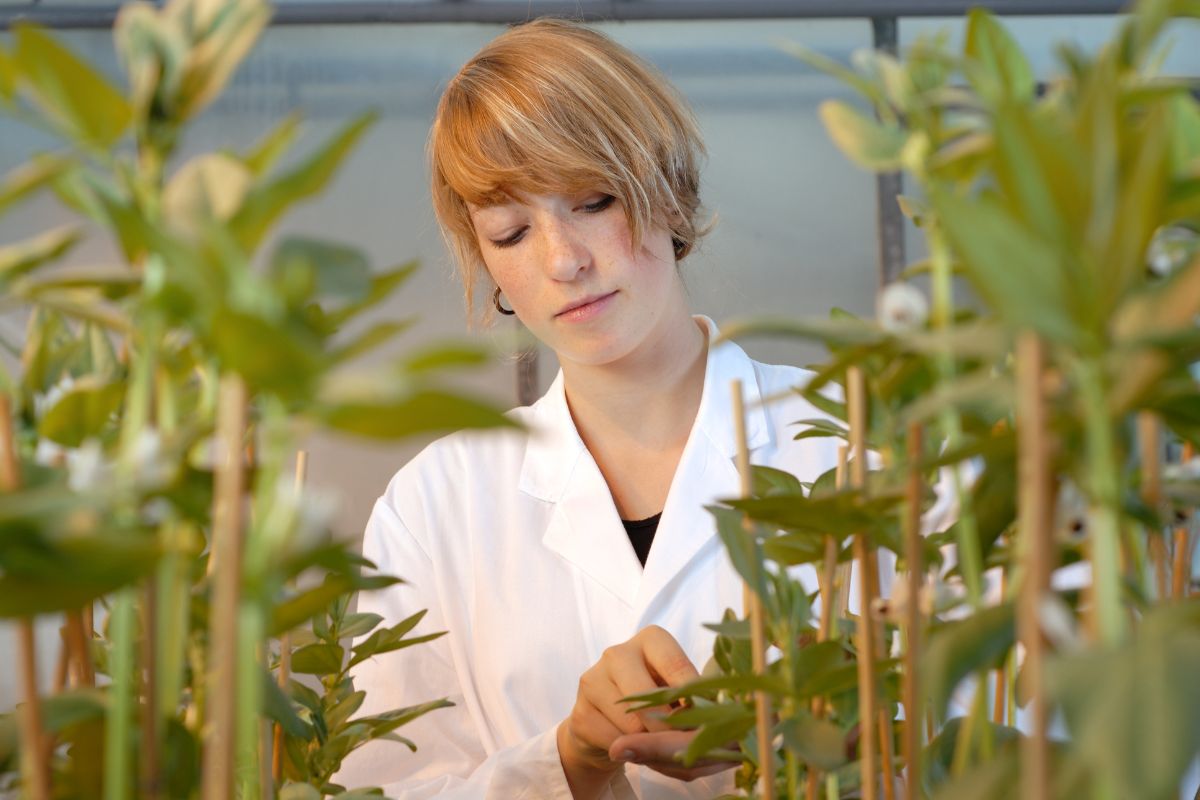
Introduction - Genetic Engineering in Agriculture: A New Frontier
Genetic engineering, also known as biotechnology, has revolutionized the field of agriculture in recent years. This technology involves the manipulation of an organism's DNA to introduce new traits or characteristics, such as pest resistance, drought tolerance, or improved nutritional content. Genetic engineering has the potential to increase crop yields, reduce pesticide use, and improve food security, making it a vital tool in the quest to feed a growing global population.
History of Genetic Engineering in Agriculture
The first genetically engineered crop, the Flavr Savr tomato, was approved for commercial production in the United States in 1994 (Bruening & Lyons, 2000). Since then, genetic engineering has become increasingly prevalent in agriculture, with numerous crops, including corn, soybeans, and cotton, being engineered for various traits.
Benefits of Genetic Engineering in Agriculture
Genetic engineering offers several benefits in agriculture, including:
- Increased Crop Yields: Genetic engineering can be used to develop crops that are more resistant to pests and diseases, resulting in higher yields and improved food security (James, 2014).
- Reduced Pesticide Use: Genetic engineering can be used to develop crops that are resistant to certain pests, reducing the need for chemical pesticides and minimizing the environmental impact of agriculture (Brookes & Barfoot, 2014).
- Improved Nutritional Content: Genetic engineering can be used to enhance the nutritional content of crops, addressing nutritional deficiencies and improving public health (Tacket, 2009).
- Drought Tolerance: Genetic engineering can be used to develop crops that are more resilient to drought, reducing the impact of water scarcity on agricultural productivity (Rivera et al., 2014).
Examples of Genetic Engineering in Agriculture
Several examples of genetic engineering in agriculture include:
- Golden Rice: Genetic engineers have developed a type of rice that is enriched with vitamin A, addressing nutritional deficiencies in developing countries (Ye et al., 2000).
- Bt Corn: Genetic engineers have developed a type of corn that produces a toxin that kills certain pests, reducing the need for chemical pesticides (Koziel et al., 1993).
- Drought-Tolerant Corn: Genetic engineers have developed a type of corn that is more resilient to drought, reducing the impact of water scarcity on agricultural productivity (Rivera et al., 2014).
Concerns and Controversies
Despite the benefits of genetic engineering in agriculture, there are also concerns and controversies surrounding this technology. Some of the concerns include:
- Environmental Impact: The potential environmental impact of genetically engineered crops, including the development of pesticide-resistant pests and the contamination of non-target species (National Research Council, 2002).
- Human Health: The potential human health impacts of consuming genetically engineered foods, including the development of allergic reactions and the transfer of antibiotic-resistant genes (Royal Society, 1999).
- Regulatory Frameworks: The need for regulatory frameworks to ensure the safe and responsible development and deployment of genetically engineered crops (World Health Organization, 2005).
Conclusion
Genetic engineering is a powerful tool that has the potential to revolutionize the field of agriculture. While there are concerns and controversies surrounding this technology, the benefits of genetic engineering in agriculture, including increased crop yields, reduced pesticide use, and improved nutritional content, make it a vital tool in the quest to feed a growing global population. As the global population continues to grow, it is essential that we continue to develop and refine this technology to ensure a sustainable food future.
References:
Brookes, G., & Barfoot, P. (2014). GM crops: global socio-economic and environmental impacts 1996-2012. PG Economics Ltd.
Bruening, G., & Lyons, J. M. (2000). The case of the Flavr Savr tomato. California Agriculture, 54(4), 6-7.
James, C. (2014). Global Status of Commercialized Biotech/GM Crops: 2014. ISAAA Brief No. 49.
Koziel, M. G., Beland, G. L., Bowman, C., Carozzi, N. B., Crenshaw, R., Crossland, L., ... & Warren, G. W. (1993). Field performance of elite transgenic maize plants expressing an insecticidal protein derived from Bacillus thuringiensis. Nature Biotechnology, 11(2), 194-200.
National Research Council. (2002). Environmental Effects of Transgenic Plants: The Scope and Adequacy of Regulation. National Academy Press.
Rivera, A. L., Gomez-Lim, M., Fernandez, F., & Loske, A. M. (2014). Genetic
engineering to enhance drought tolerance in crops. Journal of Agricultural and Food Chemistry, 62(33), 8249-8263.
Royal Society. (1999). Genetically
Further reading
Uncovering Plant Immunity: How Chromatin Remodelling Shapes Disease Resistance in Crops
Exploiting wild relatives and landraces to breed future-ready, resilient crops
Key Traits Breeders Prioritize for Enhancing Greenhouse Crop Performance
CRISPR and Phytoremediation: Engineering Plants to Clean and Restore Polluted Soils
Climate-Resilient Crops: Plant Biotechnology and Breeding for Sustainable Agriculture
CRISPR-Cas: The Key to Global Food Security and Farmers’ Profitability