


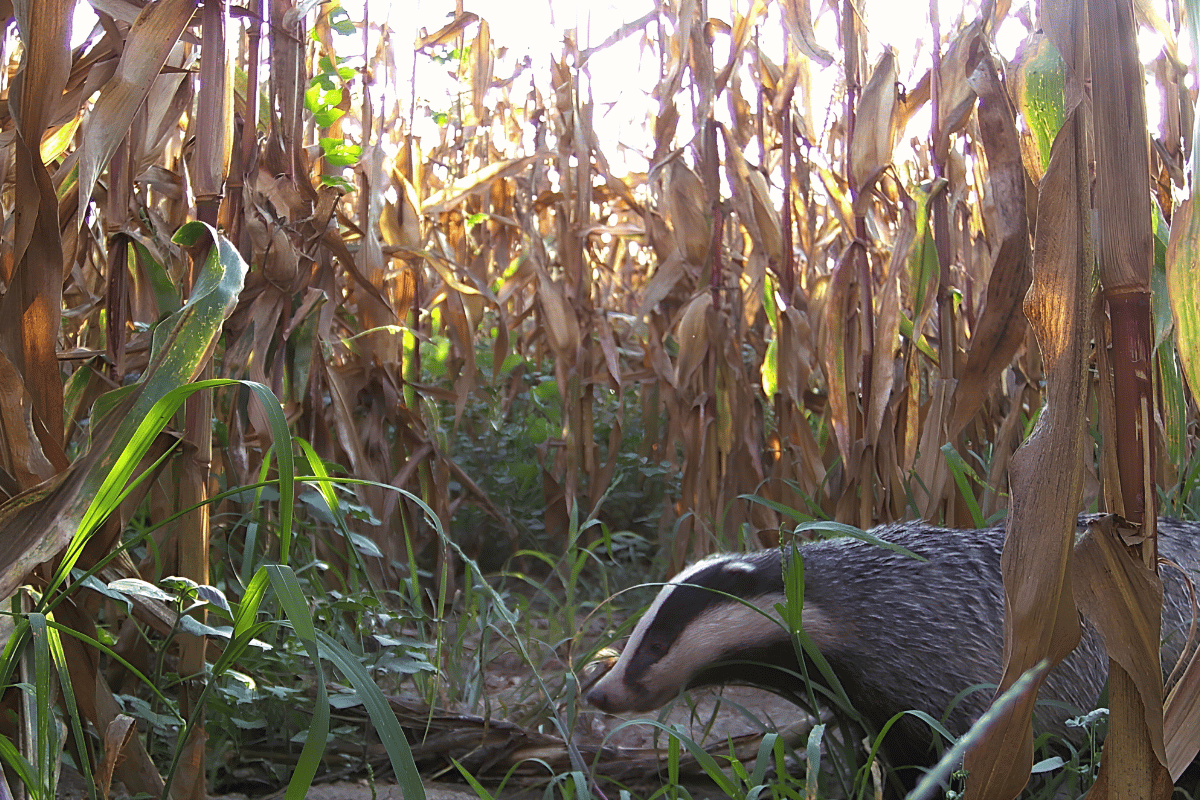
Greece is a country of sun and cultivation, where everything starts in the field. The southern Mediterranean climate is temperate and well-suited to growing a wide range of grains and fruits. Growing a seed into a harvested grain or fruit takes time, however, and during that time, the number of threats to the crop only grows. The threat might be a competing plant, an insect, or a mammal such as the European badger (Meles meles).
This article reviews what we know about the European badger in Greek rural areas, including its ecology, its interactions with flora and fauna, the damage it can cause, the parasites it can carry, and the management approaches that allow farmers and this adaptable mammal to coexist.
Status, population, and distribution
The European badger (Meles meles), first identified by Carl Linnaeus in the 18th century, is a medium-sized omnivorous species with crepuscular and nocturnal habits¹ that lives at altitudes from sea level up to 3,000 metres². It is widespread throughout Europe² and in Greece, its distribution extends across the continental part of the country, where it has been protected for some decades³. Badger populations also exist on the Greek islands of Rhodes and Crete⁴. Limited information is available about the status of the population in Greece, which is currently characterized as Not Evaluated (NE)⁵.
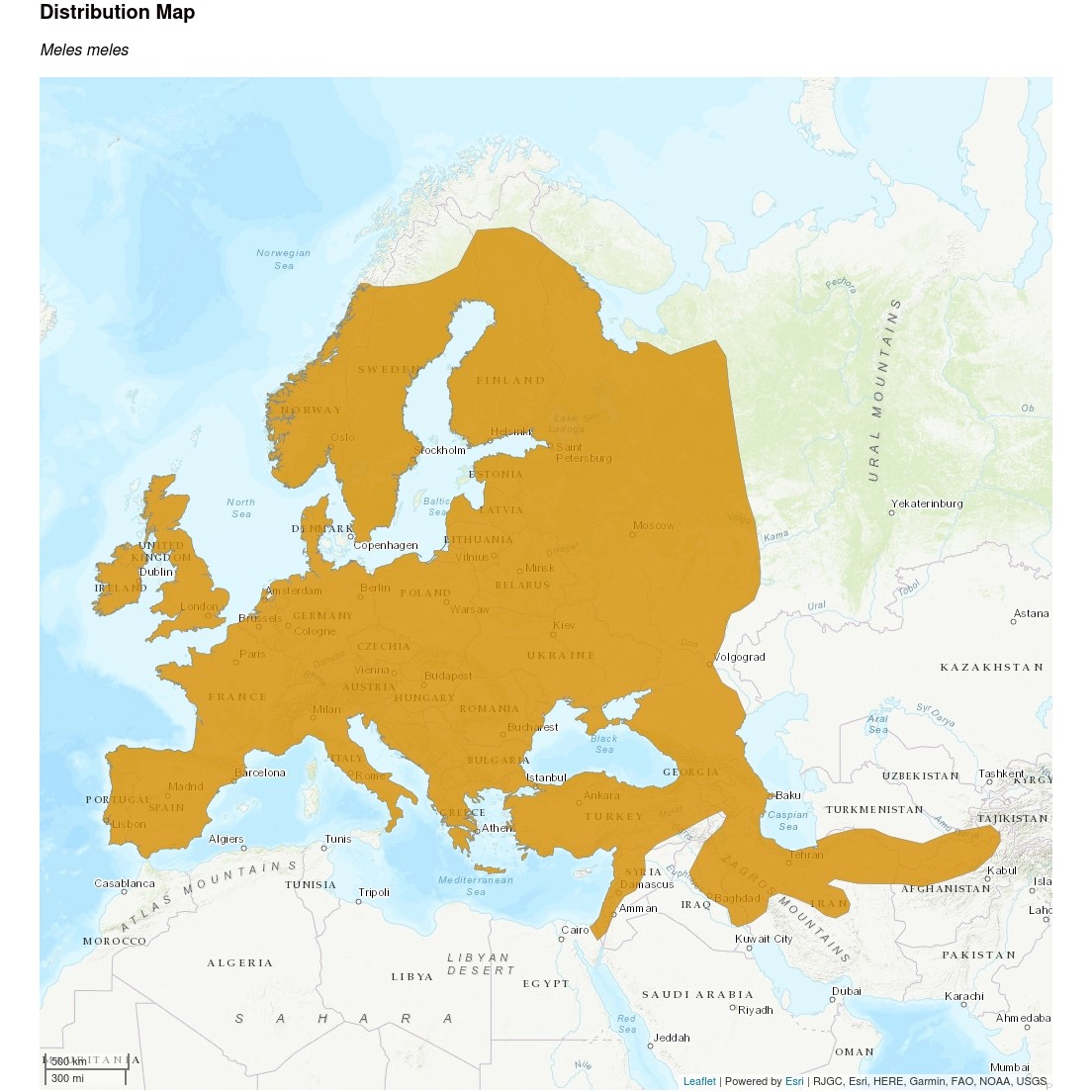
Map of Meles meles distribution
Breeding
Both sexes reach breeding maturity at almost one year of age. Badgers are polygamous and breed year-round, with most mating occurring from February to March and from August to October. Gestation lasts 9 to 12 months, and litters range from 1 to 6 cubs, with an average of 3. Cubs open their eyes about one month after birth, emerge from the sett after 8 to 10 weeks, and wean for about 2.5 months. The average lifespan of a European badger is 6 years in the wild, with records of almost 19 years in captivity.
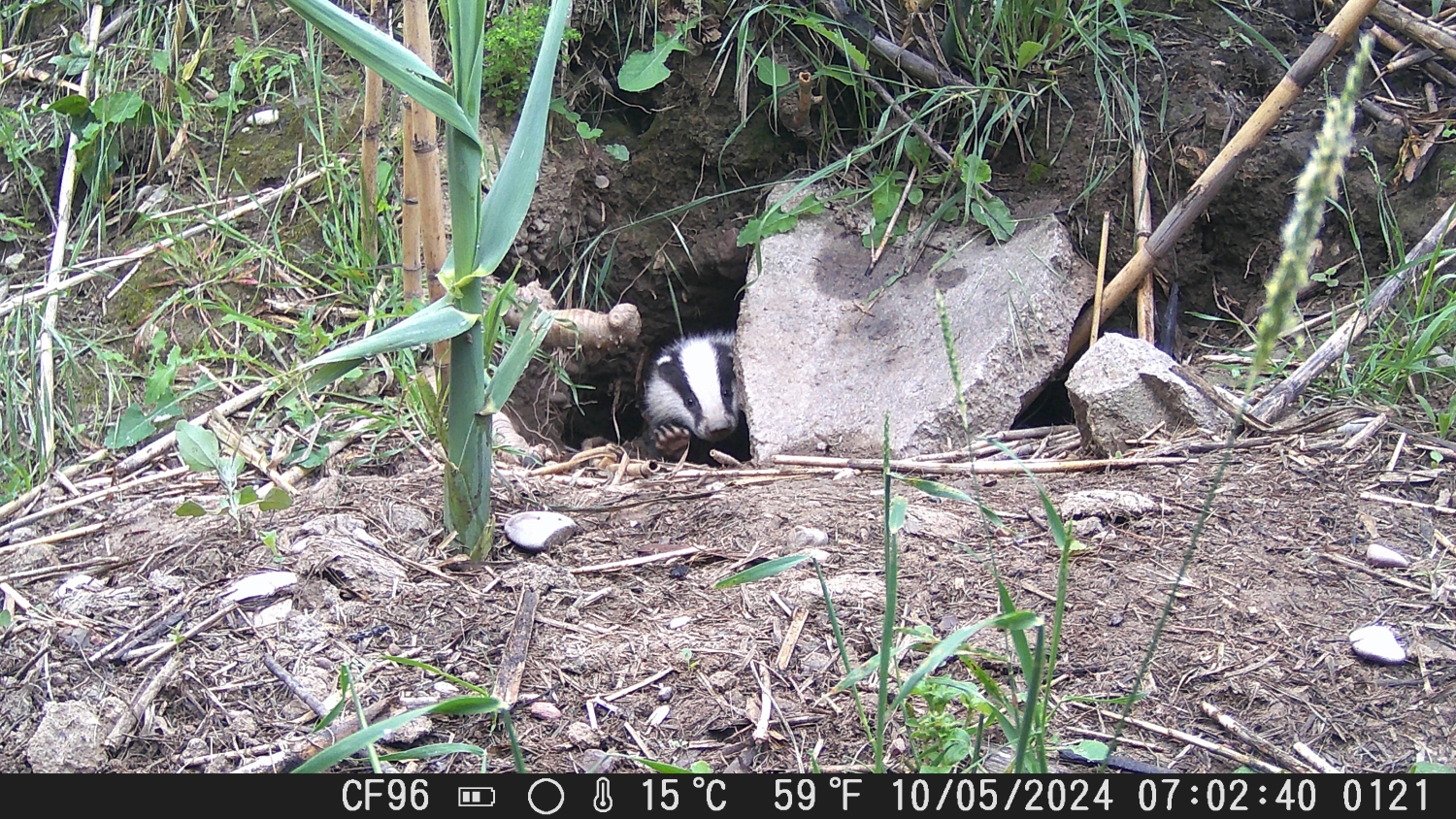
A M. meles puppy getting out of its burrow
The sett
A European badger's sett is a large tunnel system made up of smaller tunnels and chambers connected. The sett plays a vital role in the species' socio-ecology, serving as shelter during breeding and weaning and as a space for social interaction with other individuals¹. Burrows are located in areas with dense vegetation cover, on inclined, well-drained soils⁷,⁸.
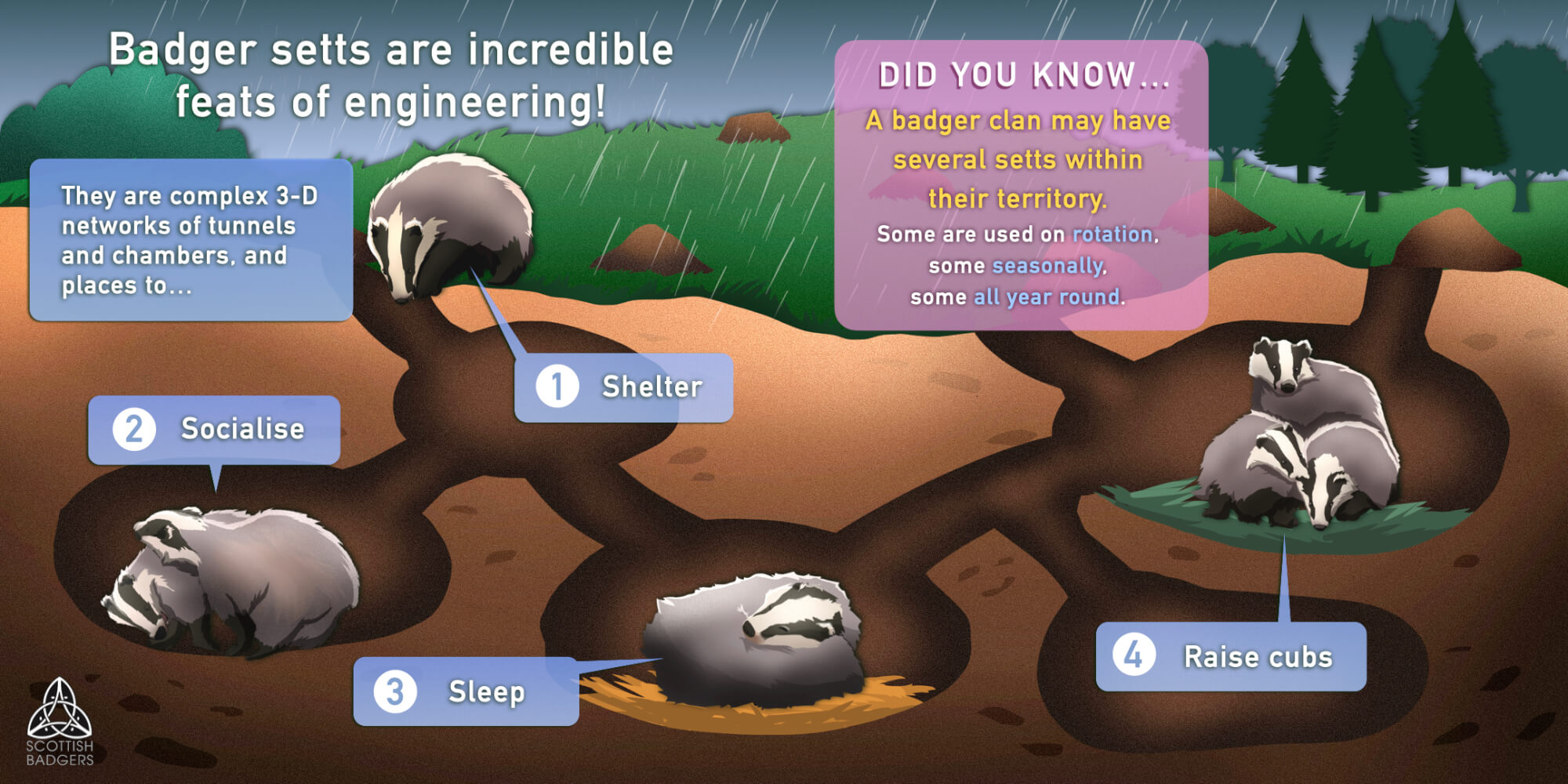
Depiction of European badger’s sett
Inside these chambers, badgers gather large amounts of organic material to build a nest for winter torpor and for rearing cubs, and this nest material can exceed a volume of 37 dm³⁹. The accumulation of organic matter creates ideal conditions for many saprotrophic invertebrates, including mites of the order Uropodina. Sixteen species of Uropodina mites have been recorded in badger nests, and two of them, Trematura patavina and Nenteria oudemansi, were present through all developmental stages, from protonymphs and deutonymphs to adults of both sexes. This contrasts with the mite communities found in the nests of other burrowing mammals, such as the mole (Talpa europaea), and it shows that badger nests are potential habitats for many saprobiotic taxa that add to species and niche diversity in the wider ecosystem.
This bedding is also managed. Camera traps have recorded badgers removing bedding material from the sett and depositing it outside the burrow entrance, exposing it to sunlight or replacing it entirely. Because badgers reuse the same resting sites, ectoparasites can build up in the bedding, and this airing and renewal of nest material is interpreted as a way of keeping that parasite load in check.
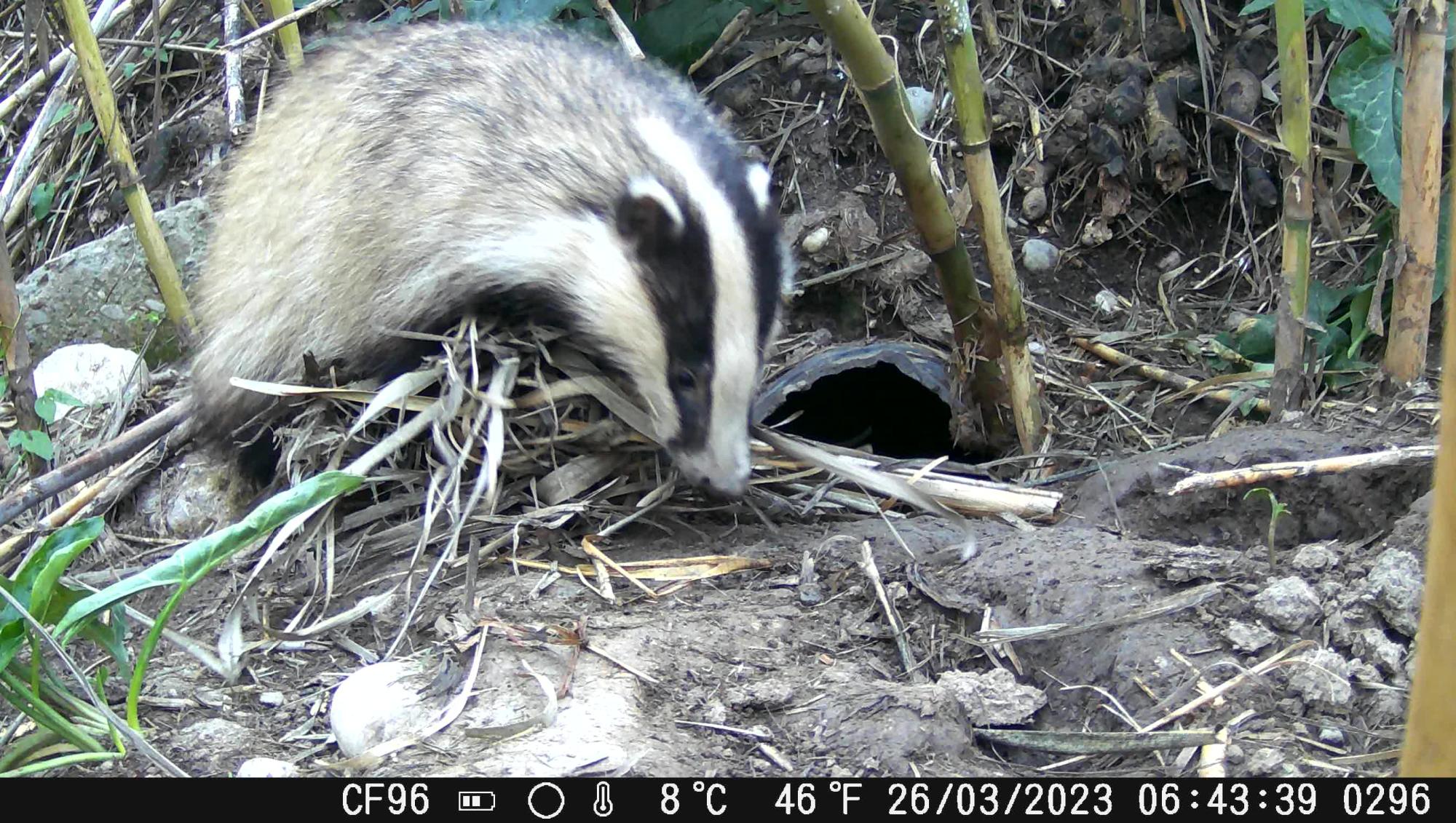
A camera trap captures a European badger renewing its bedding at the sett entrance, carrying dry plant material in and out of the burrow.
Interaction with flora and fauna
The European badger interacts with the flora in two ways. It disperses plant and tree seeds and alters the physical and chemical properties of the surface soil between burrows, creating conditions suitable for the establishment of various plant and animal species. Through its long-term habit of digging, a badger can cover an area of up to 970 m² with its sett complex, with excavated soil volumes reaching up to 28 m³⁹. This soil disturbance is what earns the species the designation of an ecosystem engineer.
The badger's interactions with fauna are equally important. As a predator, it shapes prey populations and plays a role in mechanisms such as mesopredator release. Sometimes the badger acts as a prey species, sometimes as a predator¹⁰. Badger setts may also be shared with or used by other mammal species, including the raccoon dog (Nyctereutes procyonoides), red fox (Vulpes vulpes), golden jackal (Canis aureus), crested porcupine (Hystrix cristata), and Egyptian mongoose (Herpestes ichneumon), as well as by a wide range of smaller vertebrates and invertebrates.
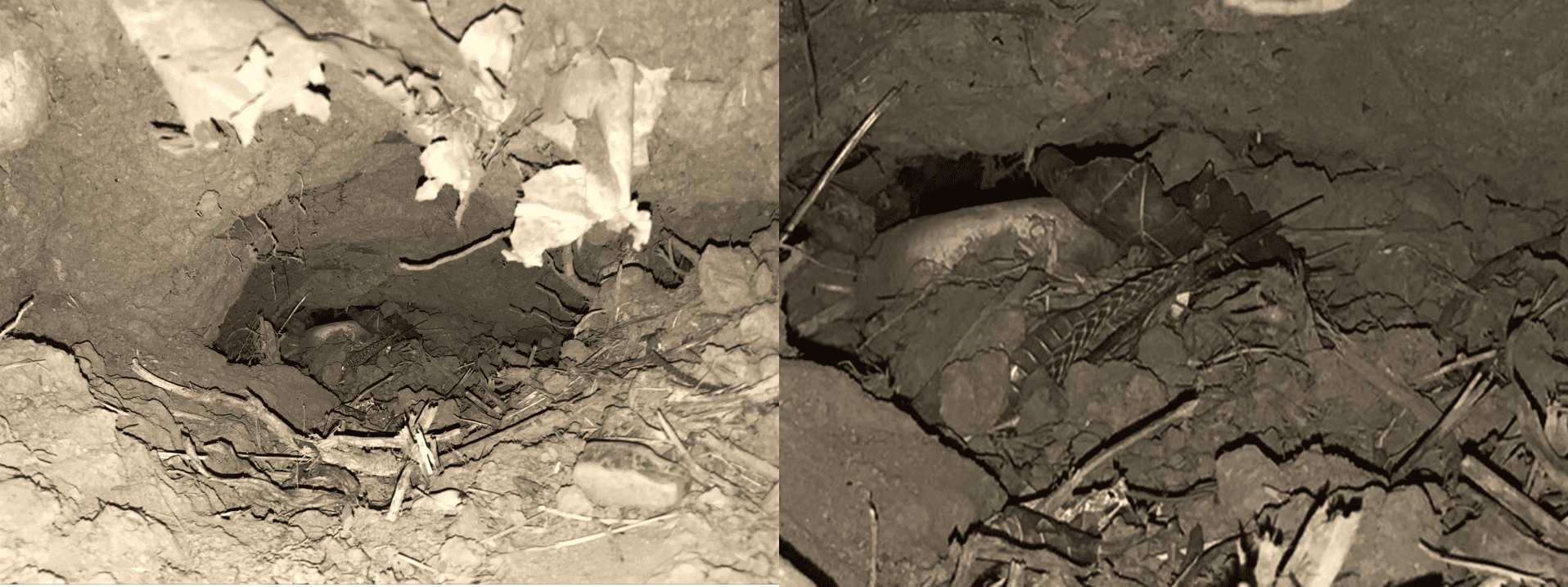
“Part of snake’s scale after its shedding, inside a hole which dug by a badger”. Its contribution to other animals’ species., Fekkas 2022.
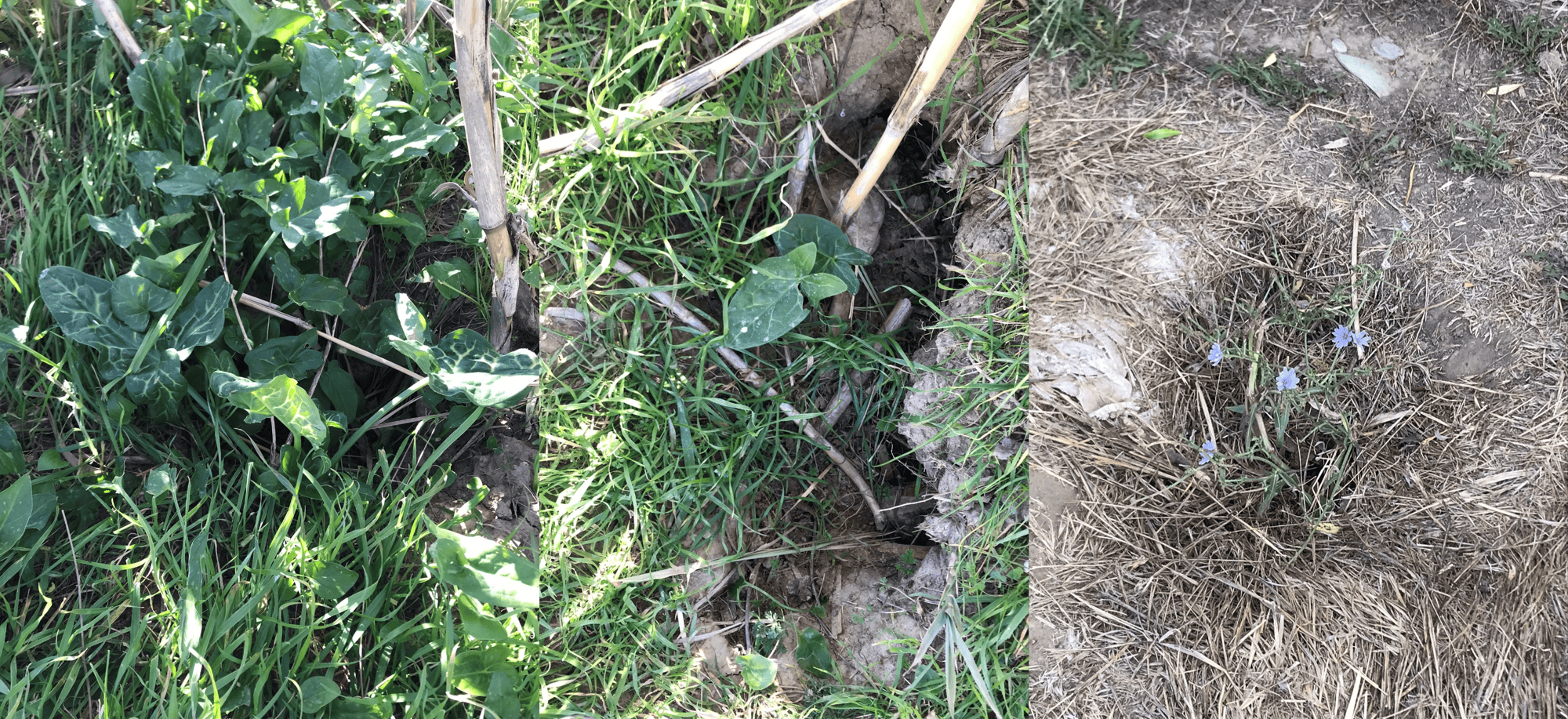
“Growth of vegetation in abandoned latrines of badgers”. We can observe its role as a seed disperser and its contribution in habitat., Fekkas, 2022.
Feeding habits
The composition of the badger's diet depends on the season and the animal's geographical location, with higher carnivory at the northern limits of the species' distribution compared with the south, where available food sources are more diverse¹¹. The diet generally includes anura, earthworms, insects, small mammals such as mice and rats, reptiles such as lizards, small birds, and fruits and seeds, including corn¹²,¹³,¹⁴. Arthropods such as scorpions also appear in the diet, as identified through feces.
Because the badger feeds on grain and especially corn, it is sometimes seen as a pest by farmers. It also acts as a scavenger, which may reduce the transmission of certain diseases from ill or dead animals to humans, domestic animals and livestock¹⁴. This scavenging behavior has been suggested in the literature to potentially influence disease dynamics, although this question remains insufficiently studied in Greece.
The European badger's preferred food is earthworms, and as agricultural intensification increases, the availability of earthworms decreases, leading the animal to feed on other available sources such as maize, barley and fruits. The availability of earthworms depends on soil moisture and temperature¹⁴. According to one study¹³, the European badger's diet in some European areas consists of around 38 percent carbohydrate-rich foods and 23.5 percent earthworms. In a different rural area in Italy, the diet was reported as 82.4 percent earthworms and 38.2 percent corn, illustrating just how variable badger foraging can be across landscapes.
Concerns about the badger as a parasite carrier
Despite these ecological roles, the European badger has also been associated with potential negative impacts related to agriculture and public health. In rural areas, its foraging behavior often brings it into (close) proximity with livestock and grazing lands, particularly because it prefers cereal crops. Spatial overlap of this kind may increase the risk of pathogen transmission through direct contact or environmental contamination of pasture and feed¹⁵, especially in the absence of appropriate biosecurity measures¹⁶.
Considerable research interest has focused on the role of badgers in the epidemiology of Mycobacterium bovis, the causative agent of bovine tuberculosis¹⁵. Beyond bacterial pathogens, several parasitic taxa with zoonotic potential have been reported in European badgers. Some of these, including Leishmania infantum¹⁷,¹⁸,¹⁹, Ancylostoma caninum, and species of the family Cryptosporidiidae, can be transmitted to other animals and to humans⁶. These risks are not unique to Greece and have been reported across the species' range in Europe, but they highlight the importance of strong biosecurity practices on farms where badger activity has been documented.
Crop damage and management approaches
Wildlife is important to human beings and the planet, so the challenge is to find solutions for coexistence, not just control. As noted above, the badger's diet depends on what is available locally, and during foraging, the animal sometimes causes damage. Plants are trampled while badgers search for food. Long-term digging creates holes beneath the soil and loosens it, which can lead to collapse when heavy vehicles²⁰ or grazing animals such as cows pass over the affected area³.
Various techniques have been used to deter European badgers from crops and infrastructure. According to recent research⁶, stakeholders have used red-and-white repellent strips, pesticide-containing baits, and supplementary feeding to deter badgers from production areas. The use of chemical repellents may offer a solution that avoids culling, and individual-level monitoring of badger populations is important if management is to be effective. So far, however, no single technique works in every setting, and further research is needed to identify approaches that are both effective and consistent with conservation goals. Where possible, an integrated pest management approach that combines deterrents with habitat-level adjustments tends to be more sustainable than reactive measures alone.
 trampled by a badger individual. .png)
“A maize plant (Z. mays) trampled by a badger individual. In the first picture (left), a destroyed plant (during the milky phase) is depicted, while in the other two, a spadix has been cut in different parts (right) and kernels of the corn have been removed (middle)”, Fekkas 2023
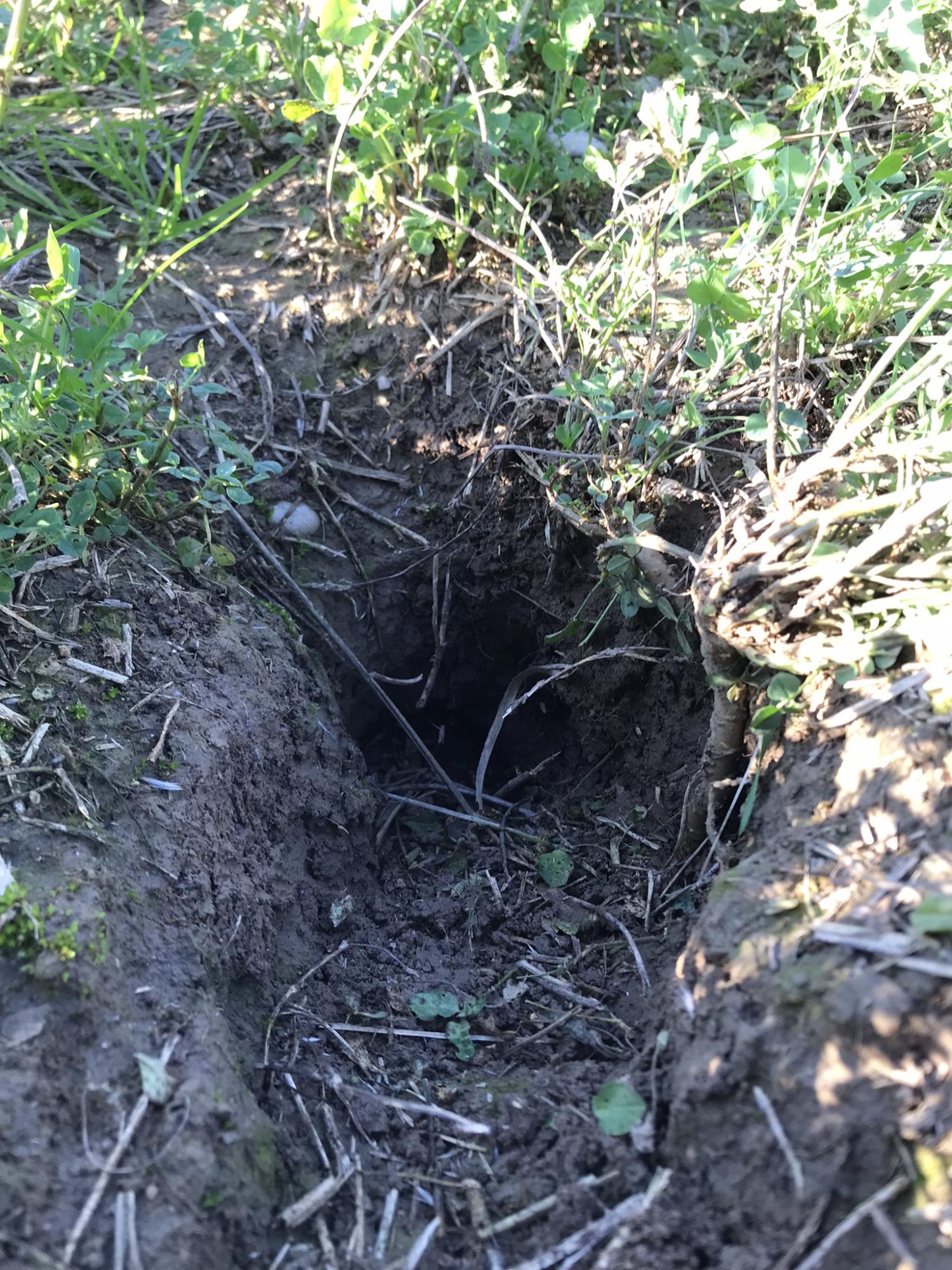
A hole, dug by a badger, inside a cultivation of clover (Medicago sativa), Fekkas 2023
Protection status
Although the European badger causes damage to crops, it is protected by the Bern Convention on the Conservation of European Wildlife and Natural Habitats. The threats the animal faces include pesticide toxicity, habitat loss, and infrastructure development. The single largest threat to the species is traffic accidents, which account for the largest share of recorded badger mortality. In England alone, car collisions kill approximately 50,000 badgers every year³.
What this means for farmers
The European badger is a clear example of how a single species can be both an ecological asset and a source of real economic friction for farmers. The same digging that loosens soil and helps seeds disperse can damage maize crops and undermine infrastructure. The same scavenging that reduces the spread of some diseases from carcasses creates other risks of pathogen transmission to livestock. The species is protected by international convention, which means lethal control is not a realistic policy, and the most consistent threat to badger populations comes from traffic mortality, not agricultural conflict.
For Greek farmers, the practical implications are clear. Monitor badger activity early in the season, particularly in maize and other cereal crops. Maintain biosecurity boundaries between badger-active land and grazing livestock. Apply non-lethal deterrents where needed, and consider integrated, habitat-level approaches that recognize the badger's ecological role alongside its impacts. Research on which specific techniques work best in Mediterranean Greek conditions is still developing, and more local studies are needed to provide farmers with the evidence base they deserve.
References
- Byrne, A. W., Sleeman, D. P., O'Keeffe, J., and Davenport, J. (2012). The ecology of the European badger (Meles meles) in Ireland, a review. Biology and Environment, Proceedings of the Royal Irish Academy, 112(1), 105–132.
- Kranz, A., Abramov, A. V., Herrero, J., and Maran, T. (2016). Meles meles. The IUCN Red List of Threatened Species 2016. E.T29673A45203002.
- Griffiths, H. I., and Thomas, D. H. (1993). The status of the badger Meles meles (L., 1758) (Carnivora, Mustelidae) in Europe. Mammal Review, 23(1), 17–58.
- Abramov, A. V., and Puzachenko, A. Yu. (2013). The taxonomic status of badgers (Mammalia, Mustelidae) from southwest Asia based on cranial morphometrics, with the redescription of Meles canescens. Zootaxa, 3681(1).
- Hellenic Zoological Society. (2009). The Red Data List of Threatened Species of Greece. Athens.
- Fekkas, C. E., Alvanou, M. V., Tsakmakidis, I., Melfou, K., and Giantsis, I. A. (2026). Ecosystem engineer or health threat? Seasonal occurrence, farmers' perception and zoonotic parasite load of the European badger. Animals, 16(5), 770.
- Mori, E., Menchetti, M., and Balestrieri, A. (2015). Interspecific den sharing, a study on European badger setts using camera traps. Acta Ethologica, 18(2), 121–126.
- Silva, M., Rosalino, L. M., Alcobia, S., and Santos-Reis, M. (2021). Sett use, density and breeding phenology of badgers in Mediterranean agro-sylvo-pastoral systems. Animals, 11(9), 2663.
- Kurek, P., Piechnik, Ł., Wiatrowska, B., Ważna, A., Nowakowski, K., Pardavila, X., Cichocki, J., and Seget, B. (2022). Badger Meles meles as ecosystem engineer and its legal status in Europe. Animals, 12(7), 898.
- Maestrini, M., Berrilli, F., Di Rosso, A., Coppola, F., Guadano Procesi, I., Mariacher, A., Felicioli, A., and Perrucci, S. (2022). Zoonotic Giardia duodenalis genotypes and other gastrointestinal parasites in a badger population living in an anthropized area of central Italy. Pathogens, 11(8), 906.
- Heptner, V. G., and Naumov, N. P. (1998). Mammals of the Soviet Union, Volume 2, Part 1a.
- Cleary, G. P., Corner, L. A. L., O'Keeffe, J., and Marples, N. M. (2011). Diet of the European badger (Meles meles) in the Republic of Ireland, a comparison of results from an analysis of stomach contents and rectal faeces. Mammalian Biology, 76(4), 470–475.
- Remonti, L., Balestrieri, A., and Prigioni, C. (2011). Percentage of protein, lipids, and carbohydrates in the diet of badger (Meles meles) populations across Europe. Ecological Research, 26(3), 487–495.
- Balestrieri, A., Remonti, L., and Prigioni, C. (2004). Diet of the Eurasian badger (Meles meles) in an agricultural riverine habitat (NW Italy). Hystrix, 15(2), 3–12.
- Gortázar, C., Delahay, R. J., McDonald, R. A., Boadella, M., Wilson, G. J., Gavier-Widen, D., and Acevedo, P. (2012). The status of tuberculosis in European wild mammals. Mammal Review, 42(3), 193–206.
- Kontsiotis, V. J., Vadikolios, G., and Liordos, V. (2020). Acceptability and consensus for the management of game and non-game crop raiders. Wildlife Research, 47(4), 296–308.
- Ortuño, M., Nachum-Biala, Y., García-Bocanegra, I., Resa, M., Berriatua, E., and Baneth, G. (2022). An epidemiological study in wild carnivores from Spanish Mediterranean ecosystems reveals association between Leishmania infantum, Babesia spp. and Hepatozoon spp. infection and new hosts for Hepatozoon martis, Hepatozoon canis and Sarcocystis spp.. Transboundary and Emerging Diseases, 69(4), 2110–2125.
- Greene, C. E. (Ed.). (2006). Infectious diseases of the dog and cat (3rd ed.). Saunders/Elsevier.
- Damlapinar, A., Berberoglu, U., Mungan, M., Celebi, B., Gazyagci, A. N., and Yildiz, K. (2025). Detection and isolation of Leishmania infantum from a naturally infected dog in Türkiye. Veterinary Parasitology, Regional Studies and Reports, 57, 101154.
- Milne, M. (2020). Badger impacts on biodiversity and agriculture in Scotland, a literature review.