


In my first cycle, I tracked only four things, yield, dispatch, rejection and cash flow, all as farm-wide totals. Our one-acre polyhouse gave us 70 tonnes. Like most first cycles on virgin soil, it was a strong start. But totals only told me how much we grew, not where or why. So for my second cycle, I started tracking everything bed by bed and plant by plant.
That decision paid off sooner than I expected. In the second cycle, nematodes moved in. A second cycle usually yields a little less than the first, but this was more than that. Total yield fell to 56 tonnes and rejection shot up. Because we were already tracking at bed level, I could see exactly where yield was dropping, down to the plant, and act on it fast. It gave me a much clearer picture, and it changed how I run the farm.
I grow English cucumber in a one-acre polyhouse in Tirupur, Tamil Nadu, with about 10,800 plants across 56 beds and a team of six. Here is what I track, the decisions those numbers changed, and the three numbers I would ask any grower to start with.
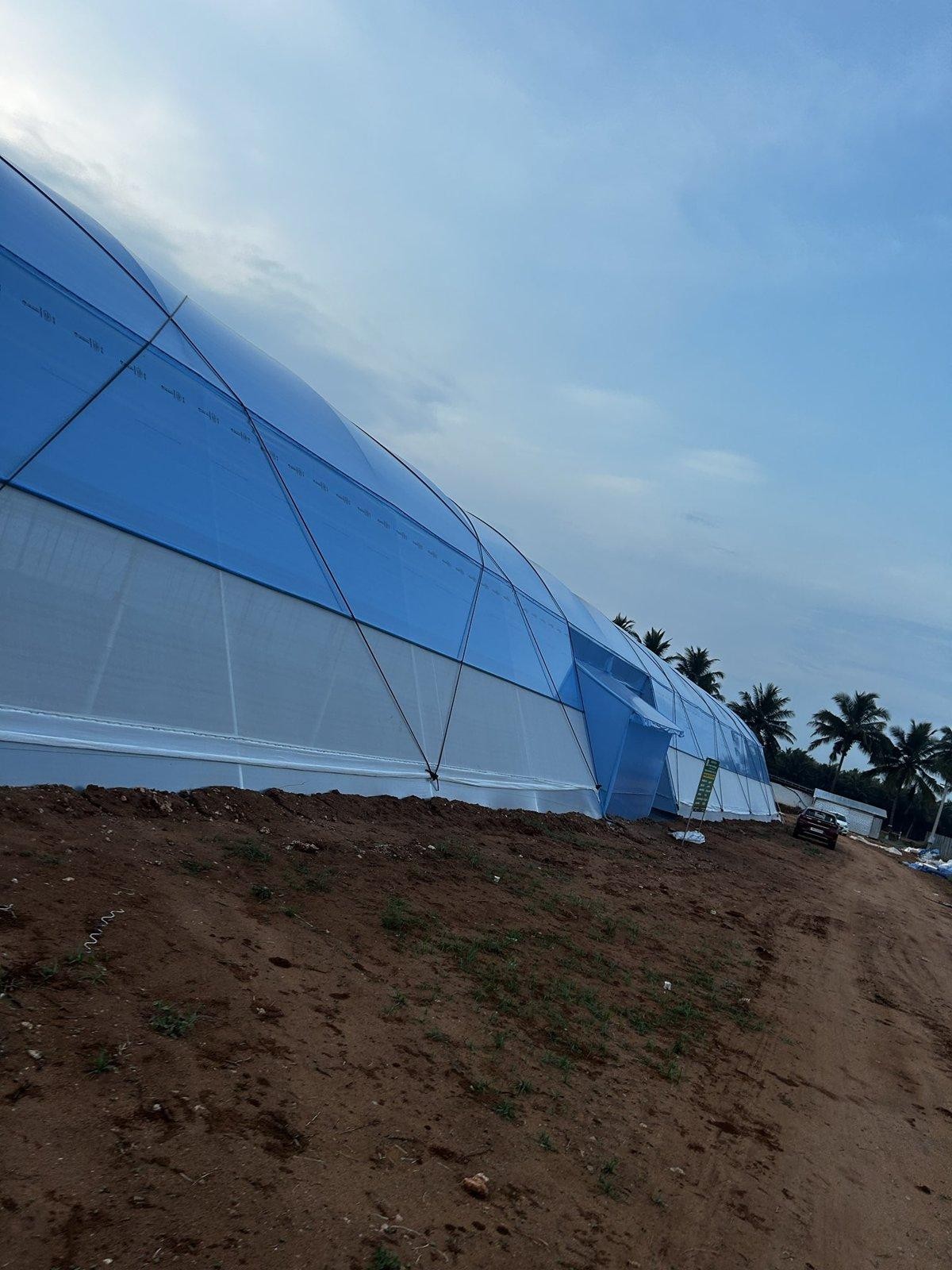
Our one-acre polyhouse at Elite Harvest, Tirupur, Tamil Nadu. Photo: Jagadish
The problem the totals hid
A farm-wide total tells you that something went wrong. It doesn't tell you where.
Because every bed was being recorded, the numbers showed a yield of 5.2 kg per plant, of which 1.11 kg was rejected. That is a rejection rate of about 21%. In a normal cycle mine is around 8.5%, and the difference is immense.
The bed-wise records showed the damage was not evenly spread. There were three hotspots where affected plants were clustered, plus some weak spots here and there. Without bed-level numbers, I would have treated the whole polyhouse the same way.
We acted fast and removed close to 1,000 plants from the hotspots. Those plants were not going to recover, and keeping them risked spreading the problem to healthy beds. Once root-knot nematodes enter a polyhouse they multiply quickly, because the root zone stays moist and warm, and in cucumber they can cause yield losses from 25% up to total crop failure. Finding the hotspots early is what lets you contain them. Our library covers how plant-parasitic nematodes are diagnosed and controlled in more detail.
What I track now
Every day, my farm supervisor records the following for each bed.
Yield: divided by the number of plants, this gives yield per plant.
Rejection: what goes out of grade, and why, whether unusual shape, wrong size or disease spots.
Irrigation: how long each section runs.
Pests and diseases: every sighting, by bed.
On top of that, every expense is recorded against a category, so I always know my cost per kg.
Three decisions the numbers changed
Removing plants early instead of hoping: the nematode hotspots only showed up because bed-wise rejection and yield dropped in the same places. Losing 1,000 plants hurt, but protecting the other 9,800 mattered more.
Giving the north side more water: bed-wise yield showed the north side of the polyhouse producing less than the south, a gap of around 400 to 500 kg over one full cycle. Not huge, but enough to tell me something was wrong. When I checked, the soil on the north side was drier. Now the north side gets 5 minutes more irrigation than the south while the plants are young, and 10 to 15 minutes more when they are fully grown, depending on conditions. The first time, I caught it late, and the plants took about three weeks to recover to a yield close to the south side. Today the numbers flag it within days.
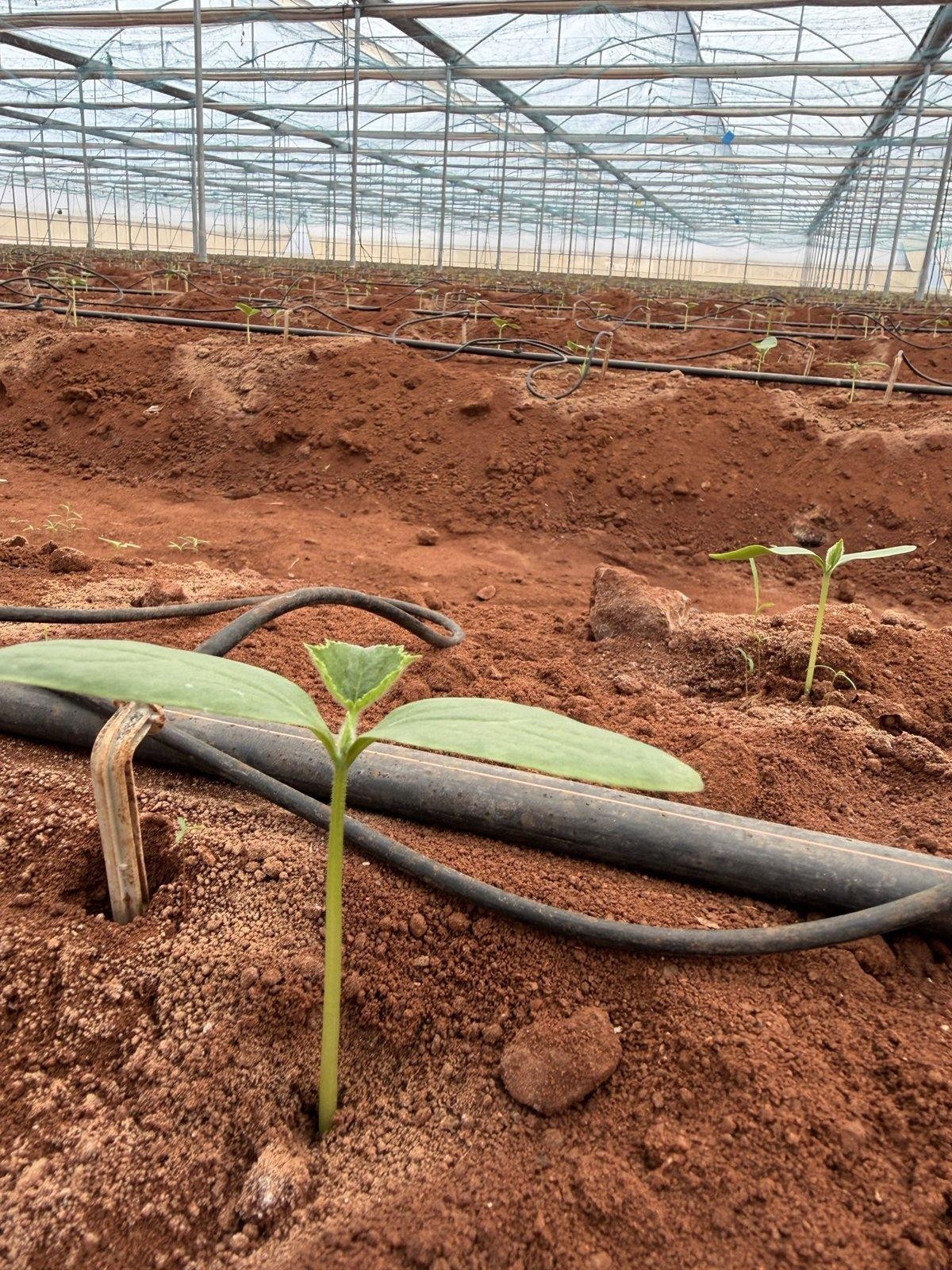
A young plant on the drip line. Irrigation time is set by section, not for the whole polyhouse. Photo: Jagadish
Cutting a cost that wasn't small: tracking every expense showed that snacks for the team, served twice a day, were costing around ₹5,200 a month. I cut them to once a day, now make them in-house for around ₹1,000 to ₹1,500 a month, and explained to the team how time is set aside for breaks and for work. They understood. This line would never have stood out in a farm-wide total.
Where the money goes
This is how my expenses broke down across my first two cycles.
| Expense | Share of total cost |
| Labour | 51.9% |
| Seeds and planting | 14.3% |
| Fertilisers | 10.7% |
| Loan repayment | 9.7% |
| Administration, including agronomy consultation | 7.8% |
| Equipment | 5.6% |
Before loan repayment, my cost of production runs between ₹13 and ₹17 per kg. Labour is more than half of it, so labour management decides where you land in that range.
The biggest factor is how many of your workers are trained. A trained worker finishes in one day a task that takes an untrained worker two, and that difference goes straight into your cost per kg. The other factor is pests and diseases, since every outbreak forces you to spend money you hadn't planned for.
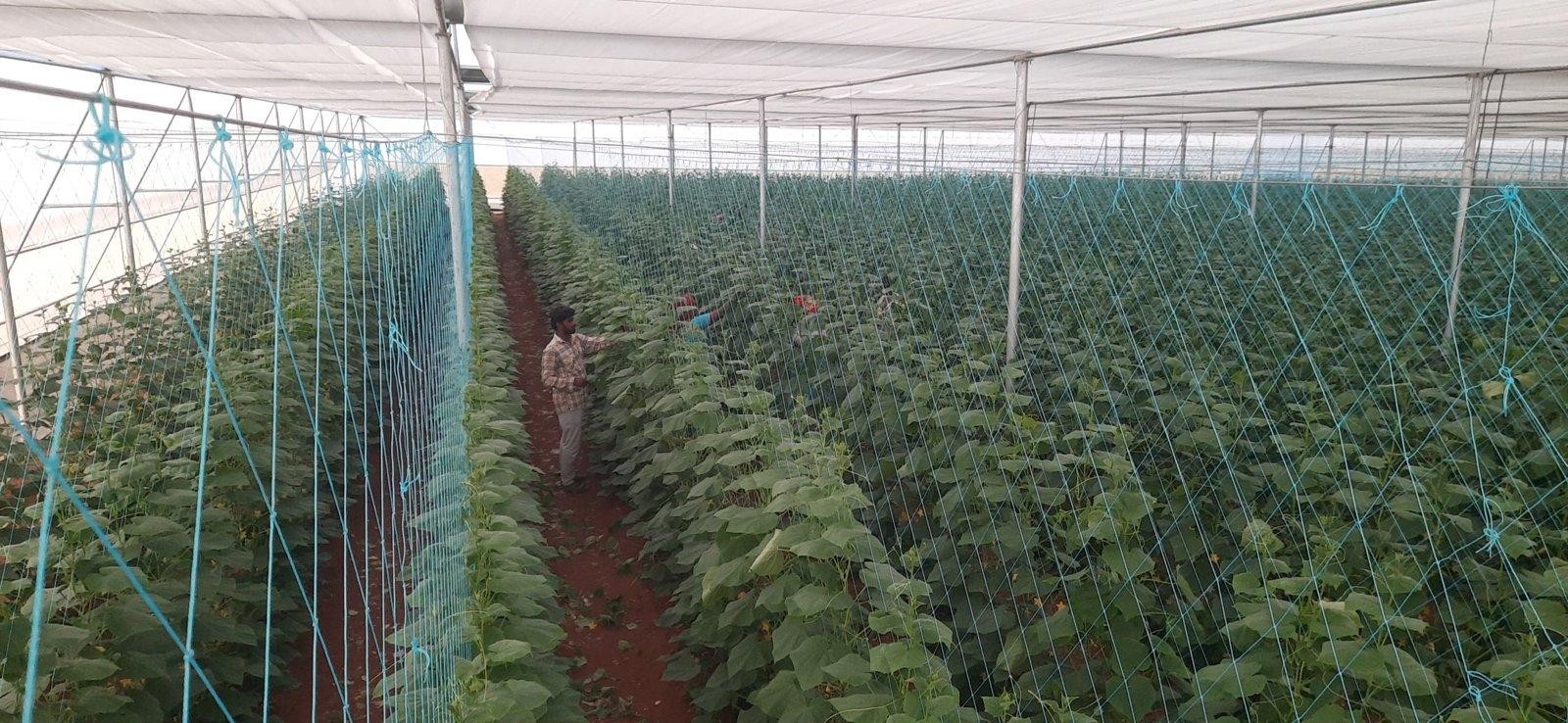
Our team at work. Labour is over half the cost, so trained hands decide the cost per kg. Photo: Jagadish
What a farmer running on instinct misses
Instinct is good at noticing a bad week. It is bad at noticing a bad bed.
Rejection is an early warning: on my farm, a rise in rejection from particular beds pointed me to the nematode problem, the irrigation problem and other pest attacks, often before yield dropped visibly.
Small costs add up: a ₹5,000 line looks harmless in a monthly total. Over a year, it is real money.
Problems are local: a whole-farm average hides one weak corner behind many healthy beds.
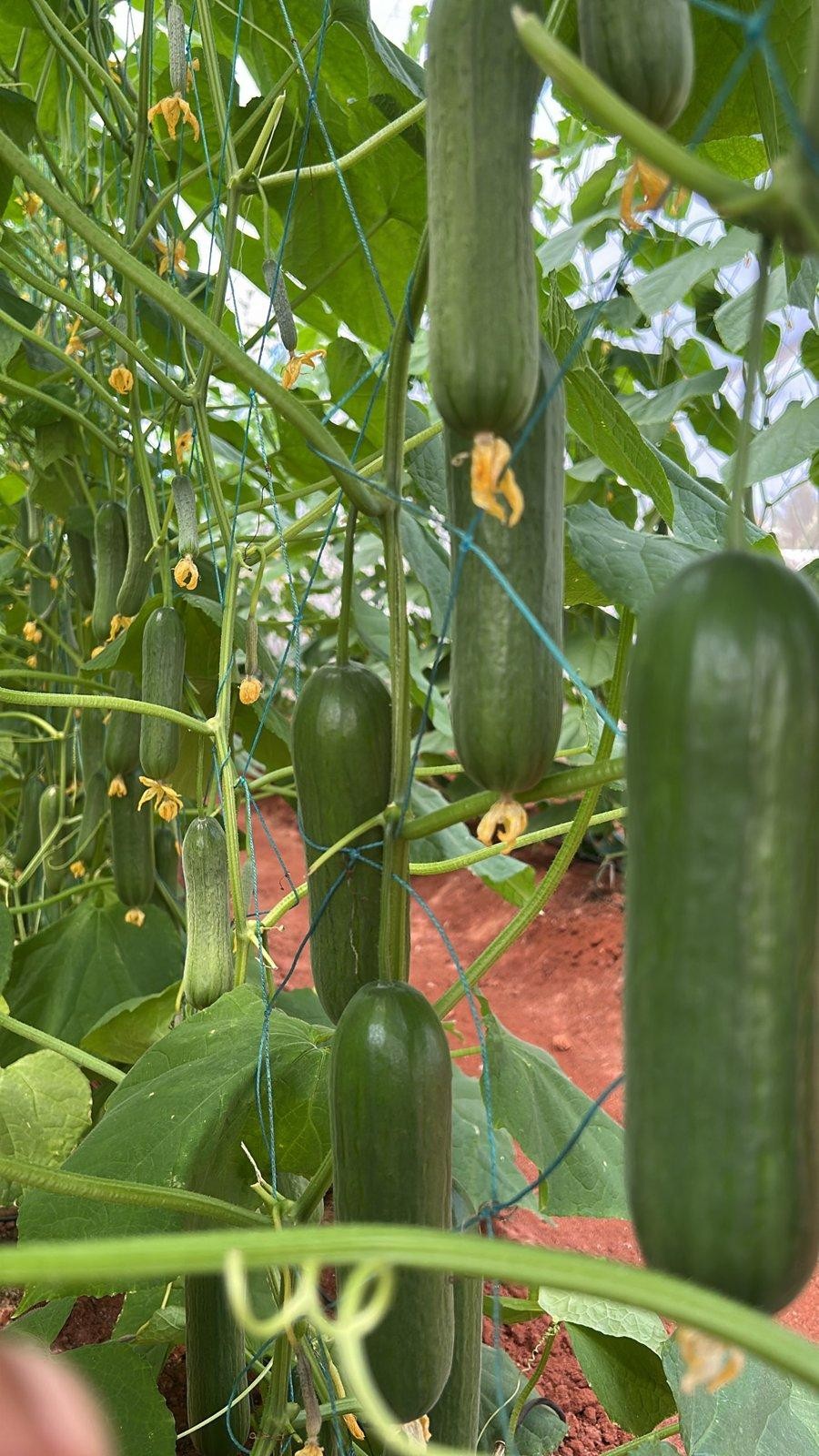
Straight, even fruit passes grade. Shape, size and disease spots decide what gets rejected. Photo: Jagadish
How I record it
In my first cycle, I kept a notebook and a Google Sheet side by side. Writing everything down and then entering it into every page of the sheet took a lot of time, and I still only had totals.
Today we use farm management software, and my supervisor spends around 5 minutes a day recording everything. But you don't need software to start. A notebook with one page per bed is enough to begin.
Start with three numbers
If you track only three numbers from tomorrow, make them these.
Bed-wise yield: it also gives you yield per plant.
Bed-wise rejection: it is your quality check and your early warning.
Cost per kg: it tells you whether the farm is actually making money.
My advice to every grower is simple: treat farming as seriously as you would a business. The crop will tell you what it needs, but only if you write down what it is saying, bed by bed.
Sources
Kamra, A., and Sindhu, A. S. (2024). Nematode management in polyhouse cultivation. Indian Journal of Nematology, 53(Special issue), 43-48.