


We are told to adapt to climate change, but what does that mean when you are managing crops day to day?
I have to confess. It is only this year that I enrolled in a climate change course, and it completely changed my view. It also highlighted my responsibility as a farmer in relation to climate change. I had never really thought about how much agricultural activity contributes to climate change, or how directly climate change affects agriculture. As a farmer and farm manager for the past 10 years, I am ashamed of myself for not taking the course much earlier. I have been educating myself about nature, climate, and the environment over the years, and that has guided my actions and decisions on the farm, but the course pulled it all together.
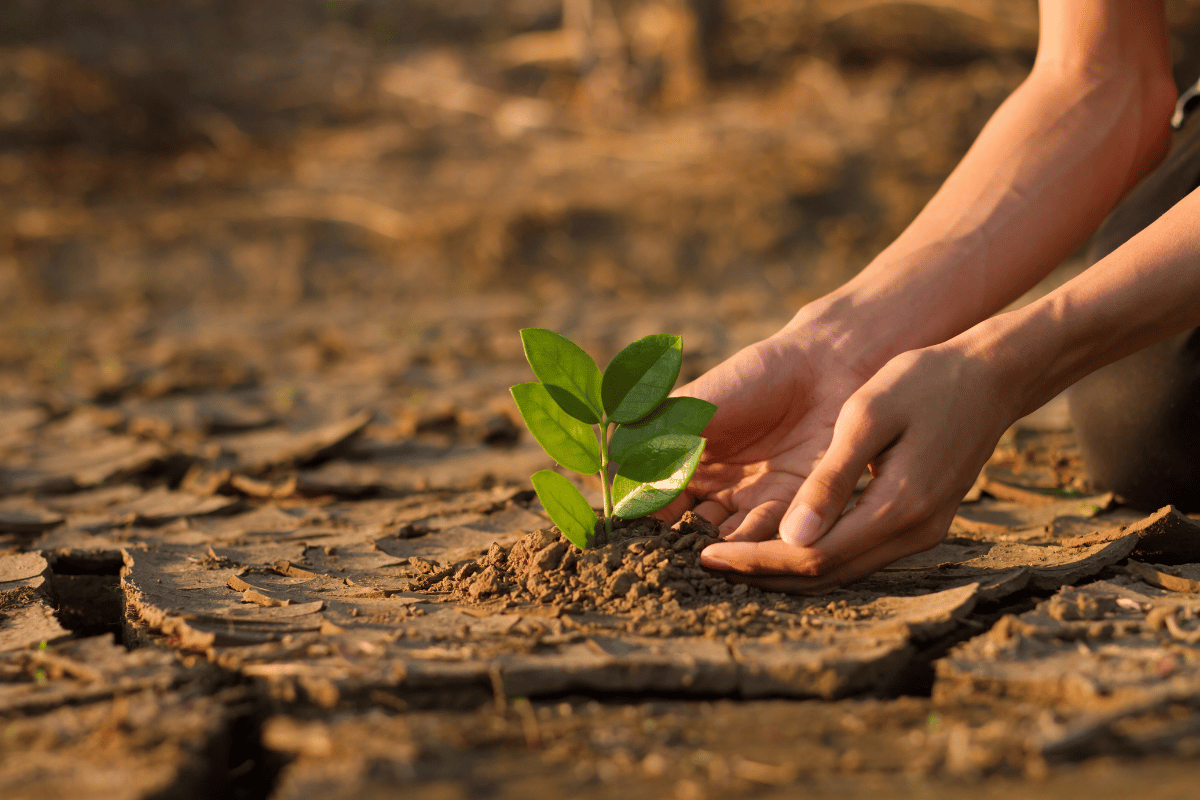
The effects of climate change are clear and visible nowadays, especially when weather is a big contributor to your work. We are getting unexpected rains, then long droughts. On most days it feels like the sun is getting hotter. The soil dries out and cracks more easily. Adapting to climate change in my day-to-day farming is no longer optional, it is a priority, because the consequences of not adapting are real and costly. What follows is what climate adaptation actually means on my farm, in five practices we have built into the way we work.
Farming in tune with the season
The seasons have become erratic here. Sometimes we expect rain and it never comes, or it comes much later. The dry seasons are longer and hotter than they used to be. We have learned to take the seasons more seriously than ever. Whenever the rains come, we are ready to harvest rainwater and to transplant tree seedlings, so the prolonged dry periods later in the year do less damage. During the rainy season, for example, we transplant sugarcane around our vegetable gardens and around sun-vulnerable crops like carrots. The sugarcane provides shade in the dry months, so the crops underneath can keep growing even during prolonged drought.
Uganda has two growing seasons, and we have learned to use the first one (March to May) to plant year-round crops that can withstand whatever weather changes come during the rest of the year.
Climate-resilient crops
We have lost a tomato crop to severe rains. We once transplanted white onions at the start of a rainy season, and they all died because of drought that followed. Losses like that have taught us to choose crops that can survive the harsh conditions in our area. We have reduced the area we put under climate-vulnerable vegetables and increased the acreage of more resilient crops. Lemongrass has never given us trouble, because it is well adapted to harsh conditions. Losing a crop to heavy rains is painful, costly, and hard to recover from in a single season, so we now lean toward crops that are more climate resilient. Lemongrass, vetiver, and lavender are the herbs we have come to rely on most.
Intercropping
In February 2024, a fire burned more than 20 acres of farm and 4 acres of our lemongrass. Fires like this are common during February in Uganda. Flat plain lands with dry grass are prone to them, and the source is often impossible to identify. In this case, embers flew miles and scorched a neighbouring dry plot, then spread to our lemongrass farm. The gardens that had a mixed variety of crops suffered far less loss than the monocultures.
That experience taught us a lesson we have carried into the way we plan every garden since. We have introduced vegetables around our fire buffers. We are introducing castor plants this season. I have carried the same idea to another farm I manage, where we have divided the garden into different intercropped sections, almost as though preparing for a future fire.
More monitoring
For us, adapting to climate change also means monitoring our fields much more often and more carefully. The sun gets hotter than we can predict, and one week of not visiting can mean considerable damage. Closer monitoring also gives us a chance to see how the crops respond at different points in the season. Gone are the days when you planted a crop, walked away, and came back for a few planned visits. In our lemongrass fields, which usually do not need much attention, we have learned that the mulch has to be turned regularly so that it composts well, otherwise it becomes a fire hazard once the dry season starts. As the weather gets harder to predict, monitoring our gardens more often is the simplest way to focus on what we can actually control.
Regenerative practices
We have gone back to old farming practices that were on their way out, including crop rotation, mulching, and composting. We started this with the aim of improving soil fertility cheaply, but we noticed that crops grown in compost-rich soil were more resilient even in tough dry conditions. So now we compost all the food and garden waste back into the farm. We have also dug trenches and gulleys to direct running water around the farm in a controlled way, which prevents soil erosion at the same time. The result is better soil, less need for chemical fertiliser, and ultimately, more climate-resilient crops.
Climate adaptation is now central to how we plan
Adapting to climate change is now at the centre of our farming plan. It feels like the least we can do to lessen the effects of climate change on our farming, while we keep producing food. When we plan our activities for the year, we plan from the position that climate change is real and that farmers have an important part to play, because farmers are some of the most affected. The entire industry is built on climate as its foundation.
I am continuously equipping myself with knowledge about climate, and I believe that the role of adapting to climate change on my farm is my own responsibility.