
The Journey of the Brazil Nut: From Amazon Forests to Global Markets
The Amazon rainforest, a vital and sprawling ecosystem, has long served as a source of valuable resources. From the early rubber trade to the extraction of timber and gold, human history in this region has often been one of resource depletion. Yet, amid these tales of extraction, one product stands apart as a model of sustainability: the Brazil nut. Unlike many other Amazonian resources, the Brazil nut is harvested without deforestation (they are not cultivated in plantations), making it a lifeline for the rainforest and local communities alike, especially in the Peruvian region of Madre de Dios.
The Brazil nut tree (Bertholletia excelsa) is an iconic species found primarily in the rainforests of Brazil, Peru, Bolivia, and Colombia. It is one of the tallest trees in the Amazon and can live for hundreds of years. The tree’s ecological role is crucial; it not only provides habitat but also aids in nutrient cycling and rainforest regeneration. For harvesters, the journey begins with collecting these fallen shells, requiring patience, skill, and resilience.
A unique tree with a long legacy
Brazil nut trees, often called "dinosaurs of the primeval forest," can live up to 400 years. These giants produce a relatively small annual yield, but the value they bring extends beyond their edible nuts. The income from Brazil nuts enables Amazonian families to continue living sustainably and protects vast tracts of rainforest from being cleared for agriculture.
The journey of the Brazil nut from rainforest to snack shelf is a testament to the delicate balance of nature and human effort. It showcases how sustainable practices can protect the rainforest while providing economic opportunities for local communities. In a world increasingly aware of environmental impact, Brazil nuts offer a way to enjoy a nutritious snack while contributing to the conservation of one of Earth's most vital ecosystems.
An introduction to Brazil nut harvesting
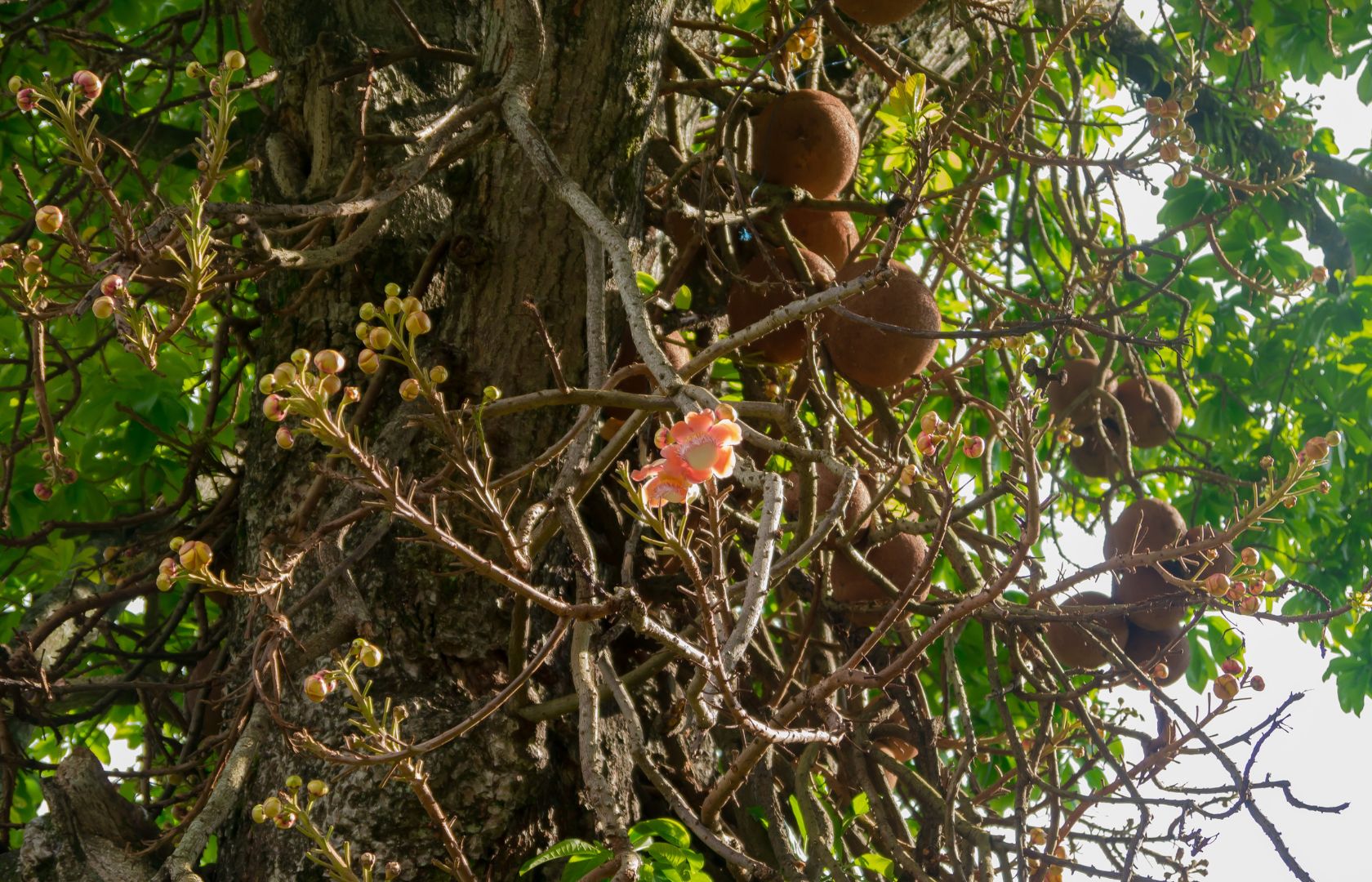
In the dense jungles of Tambopata, enormous Brazil nut trees stretch as high as 50 meters. These impressive giants, with dark, rugged trunks and umbrella-like canopies, produce hard, woody fruits the size of coconuts. Inside each fruit lies a trove of Brazil nuts encased in an ultra-hard shell. The harvest season starts in the wet season when the fruits, weighing nearly 500 grams, fall to the forest floor.
Local communities in Madre de Dios rely heavily on the annual Brazil nut harvest. For indigenous groups such as the Ese eja, the collection of these nuts provides not only essential nutrition but also a stable income. These nuts, rich in protein and essential amino acids, are central to their diets and serve as a sustainable economic resource.
Pollinators: The Unsung Heroes
Brazil nut trees have complex flowers with a unique structure that only certain large bees and bumblebees can access. These pollinators, primarily found in undisturbed forests, are crucial for successful Brazil nut production. Unlike crops that can be domesticated on farmland, Brazil nut trees require the biodiverse environment of the rainforest to thrive. Only in these natural habitats do the specialized pollinators necessary for fertilization flourish, underscoring the importance of preserving pristine forest ecosystems.
Harvesting and processing journey of Brazil nut
The process of bringing Brazil nuts from the jungle canopy to the global market is a labor-intensive journey. Local harvesters trek through the dense forest to gather the fallen fruits, using machetes to free the nuts from their capsules. Once collected, the nuts are transported to processing facilities, where they undergo drying, shelling, and quality checks. The drying process is particularly crucial, as it preserves the nuts' freshness and prevents mold. After drying, the nuts are graded by size and quality, packed, and sent to local warehouses or export hubs. They are packaged either in-shell or shelled, depending on market preferences, and prepared for export. Processing facilities near the forest provide jobs for local workers, contributing significantly to the economy and supporting sustainable practices within the community.
Sustainability and community support
Companies like Rita Farhi have embraced sustainable sourcing by obtaining Brazil nuts directly from wild forests. By choosing wild-harvested nuts, these companies support local Amazonian communities who rely on the rainforest for their livelihoods. The Brazil nut trade provides jobs for thousands of families across South America, lifting many out of poverty. Additionally, memberships in organizations like the Rainforest Alliance ensure that the nuts are sourced responsibly, helping to preserve the rainforest while benefiting the communities who protect it.
The nutritional power of Brazil Nuts
Brazil nuts aren't just any snack. They are incredibly nutrient-dense, offering a rich source of selenium, a mineral essential for metabolism and immune function. Just one nut contains more than 100% of the daily recommended selenium intake. Alongside selenium, Brazil nuts are packed with healthy fats, fiber, protein, and antioxidants. Regular consumption supports heart health, reduces inflammation, and boosts thyroid function, making Brazil nuts a powerful and nutritious food choice.
References:
Wired Amazon: make science happen
The Nutty Tale of Brazil Nuts: A Journey From Rainforests to Our Gift
Further reading
Cashew: A high Profitability Versatile Crop – Best Practices, Uses and Market
Harvesting, Drying, Curing, and Storage of Groundnut
Vulnerability and Risks for Female Producers in Shea Kernel Production
Groundnut: Plant Information, History, Uses and Nutrition Value