


Introduction
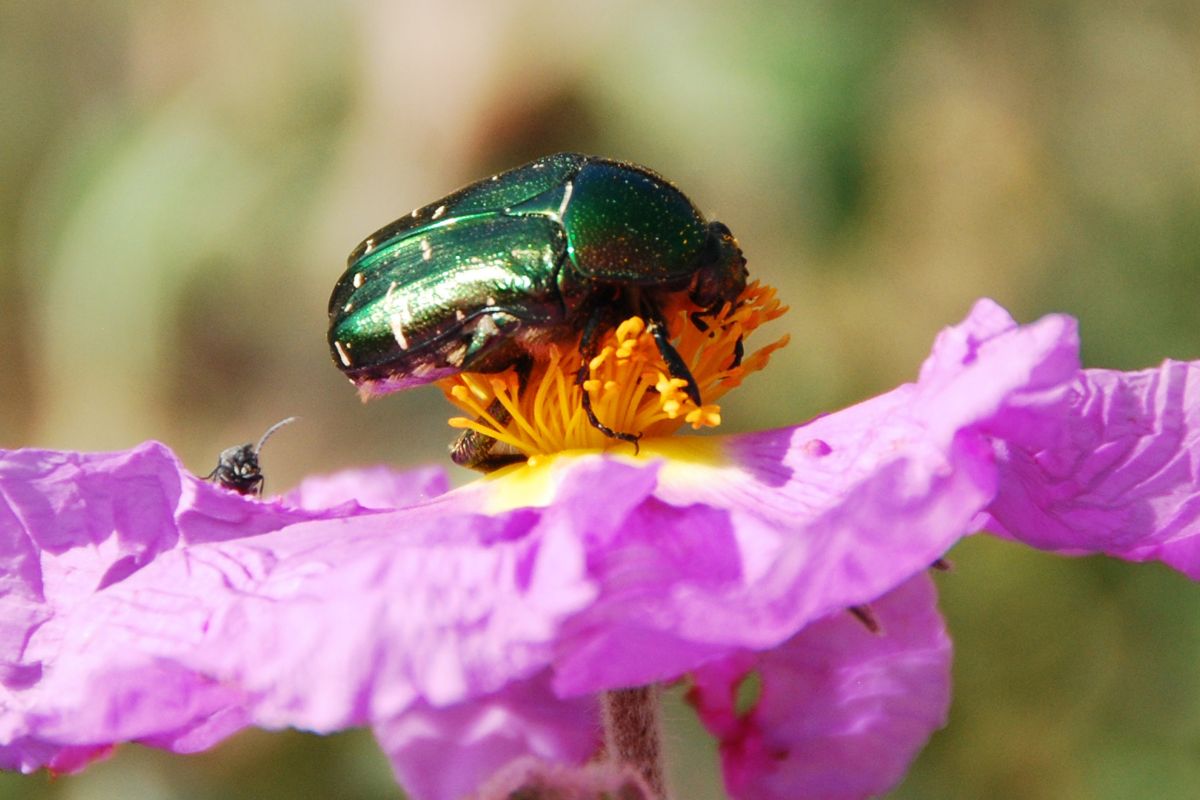
When most farmers think about pollination, honeybees immediately come to mind. However, native pollinators—including wild bees, butterflies, and other insects—are powerful, often overlooked allies that can significantly boost farm productivity and resilience. Understanding and supporting these native species is key to building a thriving, sustainable agricultural system.
The Reality About Native Pollinators
Native pollinators are the insects that evolved alongside the plants in your region long before European honeybees arrived. We’re talking about bumblebees, carpenter bees, sweat bees, leafcutter bees, plus butterflies, and flies. These aren’t just random bugs—they’re specialized workers that have spent thousands of years perfecting their pollination techniques.
Here’s what makes them different: while honeybees are excellent generalists that visit many flower types consistently, native pollinators often bring specialized skills to the table. Some are built for specific crops, others work in weather conditions that keep honeybees less active, and many complement honeybee activity with different pollination techniques.
Take bumblebees, for example. They can “buzz pollinate”—literally vibrating their flight muscles to shake pollen loose from flowers. This technique complements the steady, methodical work of honeybees, making bumblebees particularly valuable for crops like blueberries, tomatoes, and peppers, where buzz pollination improves fruit set.
Why Your Crops Need This Diversity
I’ve seen the data, and frankly, it changed how I think about farm management. Globally, 87% of major food crops depend on animal pollination. Together, these account for 35% of the world's food production volume (Klein et al., 2007). But here’s the kicker—it’s not just about having pollinators present. It’s about having the right mix.
Research consistently shows that farms with diverse pollinator communities—combining managed honeybees with native species—see:
- Higher fruit and seed set rates
- More uniform crop size and quality
- Better pollination resilience during challenging weather
- Reduced vulnerability when honeybee colonies are stressed
Wild pollinators enhance fruit set of crops regardless of honeybee abundance (Garibaldi et al., 2013), and this effect is particularly pronounced when native habitat is present near agricultural fields. This isn’t about replacing honeybees—it’s about giving them effective partners.
In my experience with blueberry and avocado growers, those who maintain native bee habitat alongside their honeybee hives consistently report better yields. Some specialist bees are more effective pollinators per flower visit than honeybees, resulting in several benefits for blueberry plants: increased fruit set and larger, more uniform fruit due to enhanced pollination (Klatt et al., 2014).
The same pattern holds for almonds, apples, and countless other crops. When wild bees work alongside managed honeybees, the combined effect produces better results than either group working alone (Garibaldi et al., 2013). Many successful growers I have worked with have started incorporating native habitat management into their site selection and management practices.
The Problem We’re Facing
Modern agriculture has created a challenging environment for native pollinators. Large-scale monocultures mean that when the crop isn’t blooming, there’s often nothing else around for these insects to eat. We’ve removed hedgerows, tilled up field margins, and simplified landscapes in ways that eliminate both food sources and nesting sites. Add the lack of use of Integrated Pest Management (IPM) and you’ve got a recipe for declining native pollinator populations. Recent studies confirm that this decline is accelerating due to multiple stressors including habitat loss and climate change (Nicholls et al., 2024).
But here’s what I tell every grower I work with: this isn’t irreversible. Small changes in how we manage our land can bring these beneficial insects back in impressive numbers.
Practical Steps That Actually Work
Plants for Continuous Bloom
The key is having something flowering from early spring through late fall. Native plants are your best bet because they’re adapted to local conditions and support the most diverse pollinator communities. Work with your local advisors or the native plant society to identify species that bloom at different times throughout your growing season.
Field borders, hedgerows, and even small patches scattered throughout larger fields can make a huge difference. I’ve seen as little as 2-3% of total farm area planted to native wildflowers result in dramatic increases in native bee activity.
Provide Nesting Habitat
This is where many well-intentioned efforts fall short. About 70% of native bees nest in the ground, so they need areas of bare or lightly vegetated soil that won’t be disturbed. Leave some field edges unplowed or simply designate small areas where you won’t be doing intensive management.
For the other 30% that nest in cavities, old fence posts, brush piles, or even purpose-built “bee hotels” can provide homes. The important thing is to avoid over-managing these areas—native bees need some messiness to thrive.
Time Your Crop Protection Products Strategically
I’m not suggesting you stop protecting your crops, but timing and application methods can make a huge difference for pollinator conservation. Apply pesticides during periods when pollinators aren’t active—early morning, late evening, or when target crops aren’t in bloom.
Consider Integrated Pest Management (IPM). This isn’t just good for the environment—it often reduces input costs over time.
Think at the Landscape Level
Individual farm efforts are great, but coordinating with neighbours multiplies the impact. I’ve worked with farmers to create pollinator corridors that connect habitat patches across properties. These collaborative efforts consistently show better results than isolated initiatives.
Building Pollination Insurance
Supporting native pollinators isn’t about replacing your existing pollination services—it’s about building resilience into your farming operation. Think of it as pollination insurance that also happens to improve your bottom line. Diverse pollinator communities provide backup when managed honeybee colonies face challenges, whether from seasonal stress, disease pressure, or transport delays. I’ve also seen farms with strong native pollinator populations develop more robust beneficial insect communities overall, supporting both pollination and natural pest control.
This approach complements good beekeeping practices rather than competing with them. Many beekeepers are finding that their colonies perform better when surrounded by diverse floral resources and reduced pesticide pressure.
The economic benefits compound over time. While habitat establishment requires some upfront investment, the ongoing pollination services are essentially free.
Moving Forward
The future of sustainable agriculture depends on working with natural systems rather than against them. Native pollinators represent one of our most underutilized resources—insects that are already adapted to our local conditions and ready to work if we give them what they need.
Start small if you need to. Pick one field border or unutilized corner and plant it with native wildflowers. Leave some areas less intensively managed. Implement an Integrated Pest Management (IPM) program. The pollinators are out there waiting. We just need to give them a reason to stick around.
References
-
Garibaldi, L. A., et al. (2013). Wild Pollinators Enhance Fruit Set of Crops Regardless of Honey Bee Abundance. *Science*, 339(6127), 1608-1611. Wild Pollinators Enhance Fruit Set of Crops Regardless of Honey Bee Abundance
-
Klein, A. M., et al. (2007). Importance of pollinators in changing landscapes for world crops. *Proceedings of the Royal Society B: Biological Sciences*, 274(1608), 303-313. Importance of pollinators in changing landscapes for world crops
-
Klatt, B. K., et al. (2014). Bee pollination improves crop quality, shelf life and commercial value. *Proceedings of the Royal Society B: Biological Sciences*, 281(1775), 20132440. Bee pollination improves crop quality, shelf life and commercial value | Proceedings B (The Royal Society)
-
Rader, R., et al. (2016). Non-bee insects are important contributors to global crop pollination. *Proceedings of the National Academy of Sciences*, 113(1), 146-151. Non-bee insects are important contributors to global crop pollination | PNAS
-
Potts, S. G., et al. (2016). Pollinators, Pollination and Food Production: Summary for Policymakers. *IPBES (Intergovernmental Science-Policy Platform on Biodiversity and Ecosystem Services)*. Spm Deliverable 3a Pollination (PDF) – Ipbes
-
FAO. (2018). Thematic Study on Pollination and Pollinators Associated with Food Production. Food and Agriculture Organization of the United Nations. FAO publication i9527en (PDF)
-
Nicholls, E., et al. (2024). What are the main reasons for the worldwide decline in pollinator populations? *CABI Reviews*, 2024(016). What are the main reasons for the worldwide decline in pollinator populations? | CABI Reviews
-
Ollerton, J., et al. (2016). Pollinators and Global Food Security: the Need for Holistic Global Stewardship. *Food Ethics*, 1(1), 75-91. Pollinators and Global Food Security: the Need for Holistic Global Stewardship
Further reading
Pollinators and pathogens: How insects and microbes interact during pollination
Natural Pollination in greenhouse crops using bumblebees and other beneficial insects
Wild Pollinators: Your Farm's Unsung Heroes
Protecting Pollinators: Safeguarding Nature's Essential Insect Workforce
The importance of a pollinator-friendly garden and how to create one
Field margin management to enhance wild pollinators in agroecosystems
Solitary Bees and Their Crucial Role in Urban Forestry and Agriculture