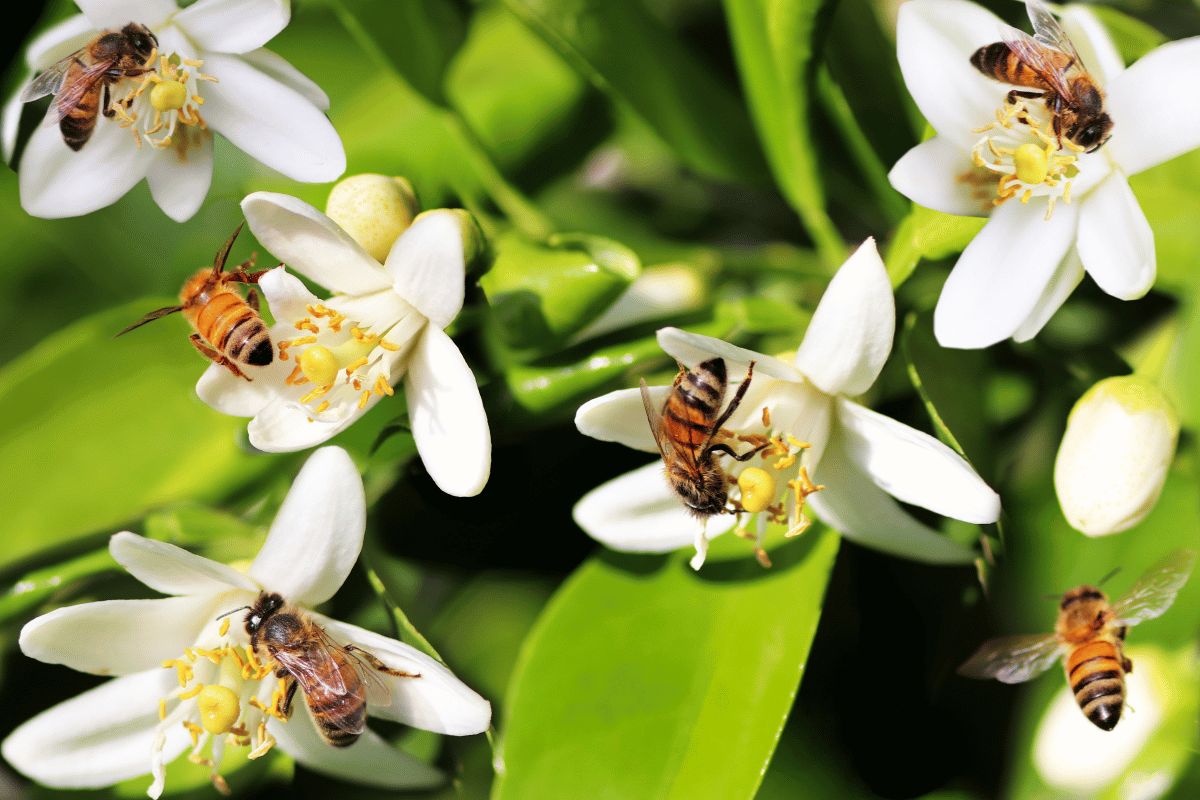
Insects such as bees, butterflies, flies, and beetles facilitate pollination, which is an essential ecological service. These insects help plants fertilize, which is necessary for the development of fruit and seeds, by transferring pollen from one flower to another. The relationship between pollinators, viruses, and bacteria can make pollination more difficult, even though it is necessary for plant reproduction. To ensure healthy pollinator populations and adequate crop pollination, it is essential to comprehend the interactions between insects and microorganisms during pollination.
In this topic, we'll examine the interactions between pollinators and plants, the effects of pathogens on both, and the function that microbes play in these intricate relationships. We will also discuss how these interactions affect agriculture and its ecological consequences.
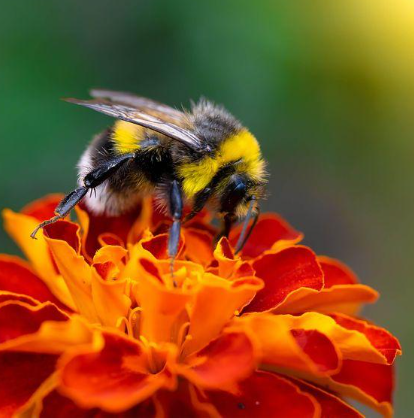
Figure 1. A bumblebee is visiting a flower.
Pollination process and role of pollinators
Insect pollinators visit flowers to obtain food from pollen and nectar, including carbohydrates and amino acids. During this encounter, they also come into contact with and pick up pathogens (viruses, fungi, or bacteria). Therefore, flowers serve as a medium for three-way interaction among microbes, pollinators, and themselves.
Although pollen and nectar have long been known to play a part in pollinators' diet and well-being, the function of nectar and pollen-associated microbiomes, the grouping of microorganisms in a particular environment, is still relatively new. There is growing evidence that these microbes have a variety of functions, as their effects on pollinators might vary depending on whether they are commensal, mutualistic, or pathogenic. Pollinators are exposed to microorganisms on pollen and in nectar throughout the resource acquisition process, and the flower is exposed to the pollinator's microbiome. This establishes a process that is more in line with exchanges than merely acquisition, which is a special kind of interaction. Microorganisms can spread both ways, from pollinator to flower, or vice versa.
Pathogens found on flowers and their impacts on pollinators
Numerous microorganisms on flowers are beneficial to plants and pollinators in certain situations and do not cause noticeable harm to them. Flowers are commonly home to bacteria and yeasts, which are more prevalent and often isolated after pollinators have visited a flower than when they have not, indicating that pollinators are important carriers. As pollinator bodies and flowers are different ecosystems with different food compositions, ambient circumstances, and lifespans, it is not surprising that microbial species seem to specialize on these variations.
The Ascomycete yeasts Metschnikowia reukaufii and M. gruessi, for instance, are found in low density on or in the bodies of bumble bees but attain high densities in flowers. On the other hand, Ascomycete yeasts belonging to the genus Debaryomyces and the Starmerella are found in small amounts on flowers but reach significant densities in the digestive tracts and honeypots of bumble bees.
Certain bacterial and fungal species that grow on flowers can help pollinators. In addition to promoting B. terrestris colony formation, consuming nectar-containing yeasts may offer pathogen protection. Bumble bees can use microbial volatiles as foraging cues, potentially improving resource acquisition or foraging efficiency. Nectar and pollen microbes can invade solitary bee supplies, where they can help preserve protein and sugar or nourish larvae in development. Numerous other insects may deposit microorganisms on floral surfaces or consume them at flowers, and microbes may have a variety of advantages for insects that consume them on flowers.
Pathogen burden on pollinators
Like all living things, pollinators are vulnerable to diseases brought on by various pathogens, such as bacteria, fungi, viruses, and protozoa. These diseases can have a direct impact on pollinator health, resulting in decreased foraging behavior, compromised immune systems, and occasionally even death. Among the prevalent diseases affecting pollinators are:
- Nosema: A microsporidian parasite that affects honeybees. It can cause digestive issues and weaken the bees' ability to forage and fight off other pathogens.
- Deformed Wing Virus (DWV): A virus that affects honeybees, causing deformed wings and weakened flight abilities.
- Varroa Mites: While not a pathogen in themselves, these parasitic mites carry viruses and bacteria, exacerbating the decline in pollinator health.
Impact of Pathogen-Pollinator-Plant Interaction on Agriculture
Reduced Pollinator Health and Efficiency
- Pathogen-infected pollinators may forage less effectively, resulting in poor pollination rates. This can reduce the production of fruits and seeds, leading to lower crop yields.
- The decline of pollinator populations, exacerbated by pathogens, poses a serious risk to food security, particularly for crops that are heavily reliant on insect pollination, such as fruits, nuts, and vegetables.
Microbial Disease Transmission
- The spread of plant diseases via pollinators can have devastating effects on agriculture. Insects can act as "flying syringes," introducing harmful microbes into plants during the pollination process, which could lead to widespread crop loss.
- For example, Cucumber mosaic virus can be transmitted by aphids and other pollinators, severely affecting cucumber and tomato crops.
Key Strategies to Enhance Pollinator and Plant Health
Reducing Pesticide Use
Pesticides not only kill pollinators directly but also disrupt their beneficial microbial communities. Organic farming practices and the adoption of biocontrol methods can help protect pollinators and maintain microbial balance.
Enhancing Pollinator Habitats
Providing diverse floral resources and minimizing monocultures can help pollinators thrive. Healthy, biodiverse habitats foster robust microbial communities that support pollinator health.
Monitoring Plant Pathogens
Early detection of plant pathogens can help prevent their spread by pollinators. Integrated pest management (IPM) approaches that combine biocontrol agents with cultural practices can reduce the reliance on harmful chemical treatments.
Supporting Research
Continued research into the role of microbes in pollinator health and the pollination process is essential to developing effective strategies for pest and disease management in agriculture.
Conclusion
In conclusion, plant health and agricultural productivity are greatly influenced by the complex relationships that exist between pollinators, microorganisms, and plants. Beneficial microorganisms can boost plant resistance and pollinator health, but diseases spread by pollinators can seriously endanger insect and crop populations. Maintaining healthy pollination processes and guaranteeing long-term food security require promoting ecological balance through habitat conservation, integrated pest management, and decreased pesticide use.
References
- Abhijith, R. L., Akash, A., Kumar, A. P., and Akhil, G. L. 2024. Insect-Microbe interactions: mutualism, pathogenesis and symbiosis. In CRC Press eBooks. pp. 233–247.
- Adler, L. S., Irwin, R. E., McArt, S. H., and Vannette, R. L. 2020. Floral traits affecting the transmission of beneficial and pathogenic pollinator-associated microbes. Current Opinion in Insect Science. 44:1–7.
- Lignon, V. A., Mas, F., Jones, E. E., Kaiser, C., and Dhami, M. K. 2024. The floral interface: a playground for interactions between insect pollinators, microbes, and plants. New Zealand Journal of Zoology. 1–20.
- Proesmans, W., Albrecht, M., Gajda, A., Neumann, P., Paxton, R. J., Pioz, M., Polzin, C., Schweiger, O., Settele, J., Szentgyörgyi, H., Thulke, H., and Vanbergen, A. J. 2021. Pathways for Novel Epidemiology: Plant–Pollinator–Pathogen networks and Global Change. Trends in Ecology & Evolution. 36: 623–636.