


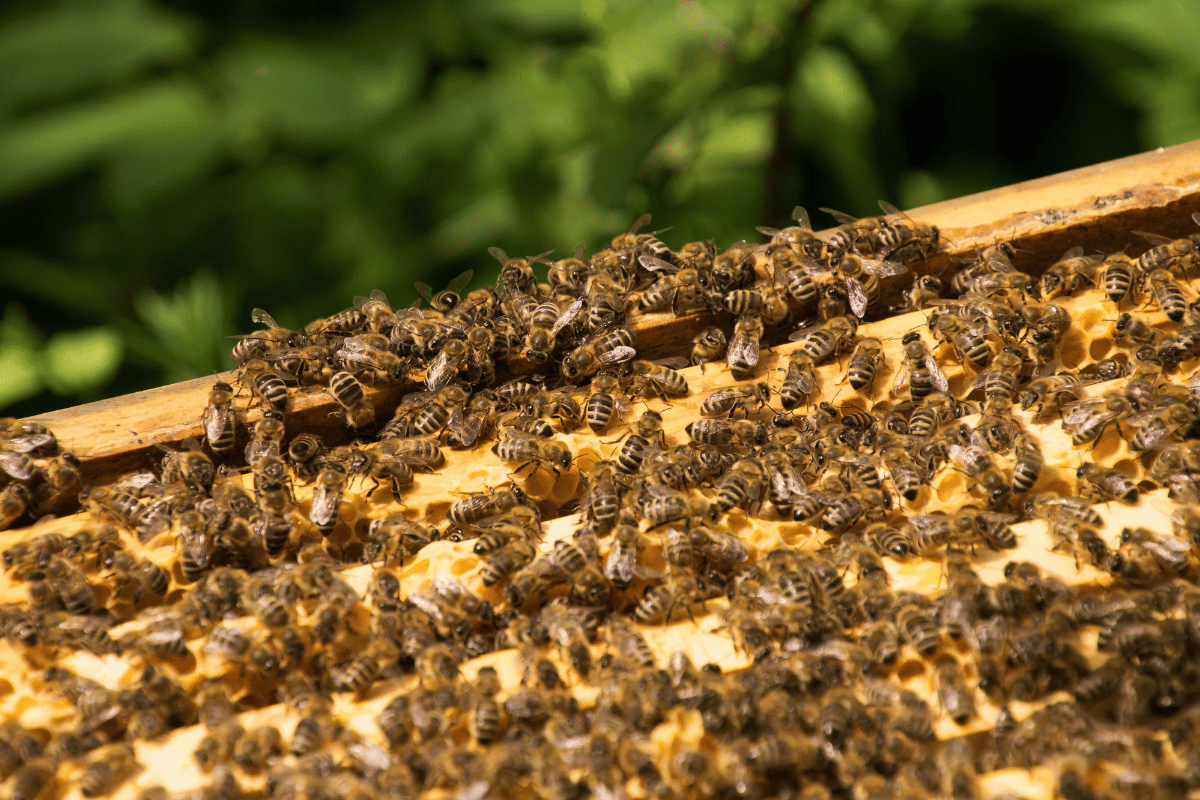
Beekeeping is one of the finest opportunities for Africa's youth, bringing both environmental and financial benefits. But nothing has only good days, and beekeeping has its hard moments too. One of the worst is absconding, when an entire colony abandons the hive. Few experiences are more disheartening for a beekeeper than opening a hive and finding that no bees are home.
When a colony absconds, the beekeeper's hopes of a honey harvest and a steady income go with it, and frustration sets in fast. The good news is that absconding can be reduced with good beekeeping practice. Before getting to that, it helps to understand why bees leave in the first place.
Why bees abscond
A few triggers come up again and again.
- Pests and predators: ants, wax moths, and the small hive beetle are persistent intruders. Constant harassment from these pests will push a colony to flee.
- Lack of forage: when nectar and pollen run short, especially during a prolonged dry season or drought, bees will leave to find a better food source.
- Environmental stress: excessive heat, smoke, or disturbance from human activity or bushfires will drive bees away.
- Poor hive conditions: a hive that runs too hot, is poorly ventilated, or has cracks and openings that let in light and pests is a common cause of absconding, and it often comes down to a badly made hive from an inexperienced carpenter.
Absconding is different from swarming, where only part of the colony leaves with a queen to start a new nest. In absconding, the whole colony walks out and leaves nothing behind.
How to prevent absconding
Most absconding can be prevented by addressing those triggers directly.
Manage the apiary environment
Site the apiary near a reliable source of clean water and away from noisy or high-traffic areas. Choose a sheltered spot that gets morning sun and some afternoon shade, so the hive stays within a comfortable temperature range through the day.
Keeping a year-round supply of pollen and nectar is the single most important thing you can do for a colony. Diverse forage supports colony health and resilience, strengthening the bees' ability to cope with stress. Planting flowering trees and shrubs that bloom in different seasons is one of the best long-term investments you can make in your apiary's stability.
Choose the right hive
Choose a hive type with a good track record in your area. In East Africa, the Tanzania Top Bar Hive, the Kenya Top Bar Hive, and the Langstroth hive all have a strong reputation for productivity. Details on these and their management are covered in the guide to managing beehives for healthy colonies.
There are trade-offs between standing and suspending a hive. Hives on stands are easier to inspect but are more exposed to ants and animals. Hives suspended in trees are safer from those threats but harder to manage. Choose what fits your situation, remembering that a hive which is easy to manage usually ends up better managed.
The hive itself has to suit the bees. A poorly designed or badly sealed hive will not hold a colony. The hive body should be clean, smooth on the inside, and free of gaps except for a single guarded entrance.
Adapt your management style
Successful beekeeping depends less on force and more on observation. Use a smoker with cool, dense smoke from dry grass or leaves to calm the bees before opening a hive. Inspect gently every 10 to 14 days during the active season to check for pests, disease, and the queen's condition. Regular inspection lets you catch small problems before they become big ones.
Stay ahead of pests. Check hive stands regularly, and apply a sticky barrier of grease to the legs to stop ants from climbing up. An ant moat, a small tin of water or oil around each stand leg set away from the hive body, works well too and avoids any contamination of the hive. Above all, a strong, healthy colony is its own best defence against pests like wax moths, so everything that keeps the colony strong also keeps pests at bay.
Absconding is a reality, but it is not inevitable
The best strategies work with the bees rather than against them. A safe, stable site with diverse forage, a sound hive, and gentle, regular management gives a colony every reason to stay. Handled that way, an apiary becomes a long-term source of honey, income, and pride, and the empty-hive morning becomes a rare exception instead of a recurring loss.