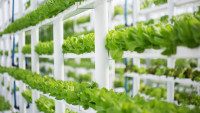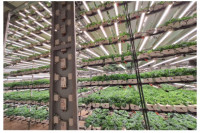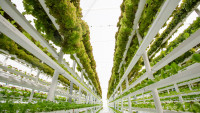
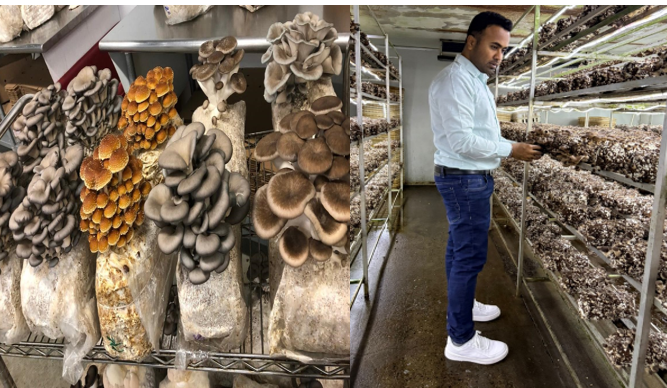
As global demand for nutritious, sustainable, and space-efficient food production increases, vertical farming is proving to be a game-changer—and mushrooms are no exception. Vertical mushroom farming is an innovative cultivation method that utilizes controlled indoor environments to grow mushrooms in stacked layers, maximizing yield per square meter.
Why Vertical Mushroom Farming?
Mushrooms are naturally suited for vertical farming due to their shade-loving nature and minimal light requirements. Unlike leafy greens or fruiting crops, mushrooms thrive in dark, humid environments—conditions that can be easily replicated in vertical systems using containers, grow rooms, or multi-layer shelving systems.
Optimal Use of Space and Resources
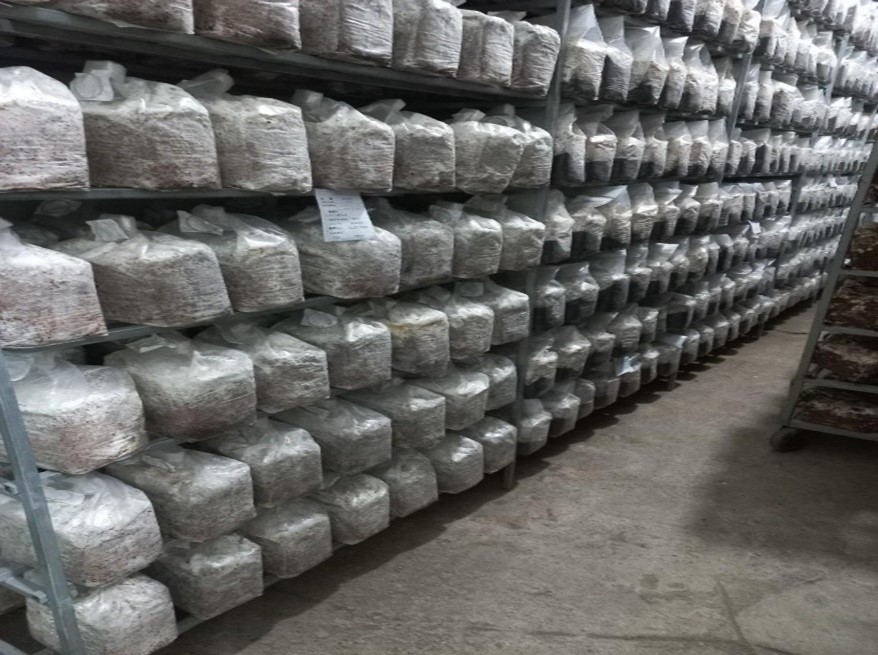
One of the major benefits of vertical mushroom farming is space optimization. In urban areas or places with limited arable land, farmers can grow mushrooms in shipping containers, warehouses, or even basements. This method allows year-round production with consistent quality and minimal dependence on external weather conditions.
Water use is also significantly lower compared to traditional farming, and since mushrooms are grown in controlled environments, pesticide use is negligible or entirely absent.
Ideal Mushrooms for Vertical Systems
Several mushroom varieties are perfectly suited for vertical cultivation, including:
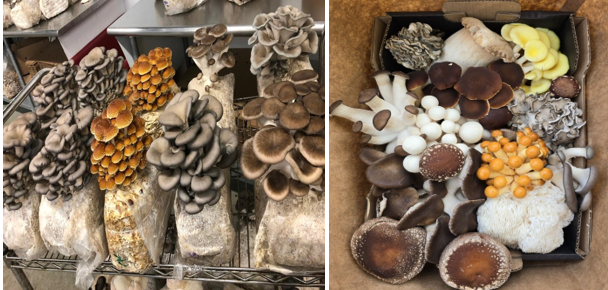
- Oyster Mushrooms (Pleurotus spp.) – Fast-growing, adaptable, and high-yielding.
- Shiitake (Lentinula edodes) – Grown on blocks or logs; a favorite for its rich flavor.
- Lion’s Mane (Hericium erinaceus) – Gaining popularity for its medicinal properties.
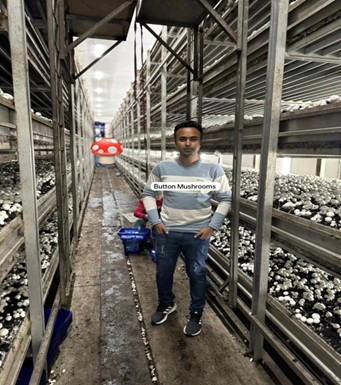
- Button Mushrooms (Agaricus bisporus) – Widely consumed and can be grown bags and multi-layer shelving systems.
The Vertical Setup: From Spawn to Harvest
A standard vertical mushroom farm includes:
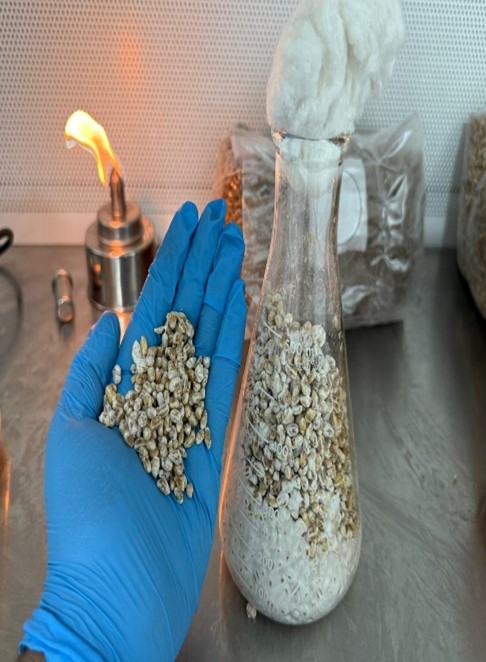
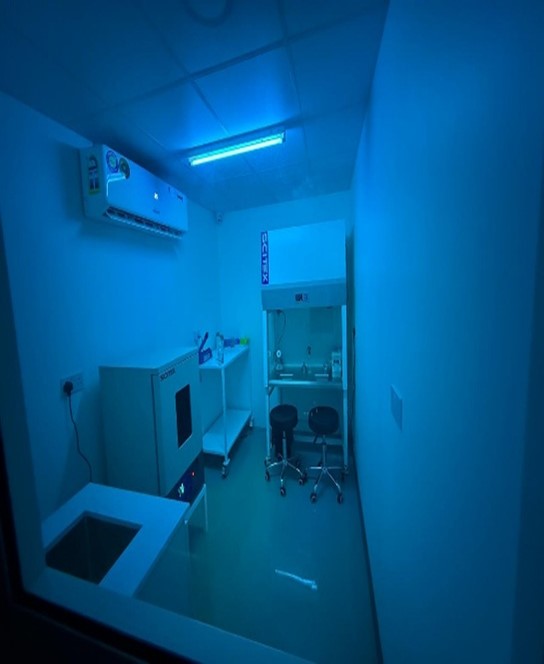
- Inoculation Room – Where spawn is mixed with substrate under sterile conditions.
- Incubation/Colonization Room – A dark space where mycelium colonizes the substrate.
- Fruiting Chambers – Temperature-, humidity-, and CO₂-controlled rooms where mushrooms develop.
Substrates can range from straw, sawdust and agricultural waste, depending on the variety being cultivated.
Controlled Environment Agriculture (CEA)
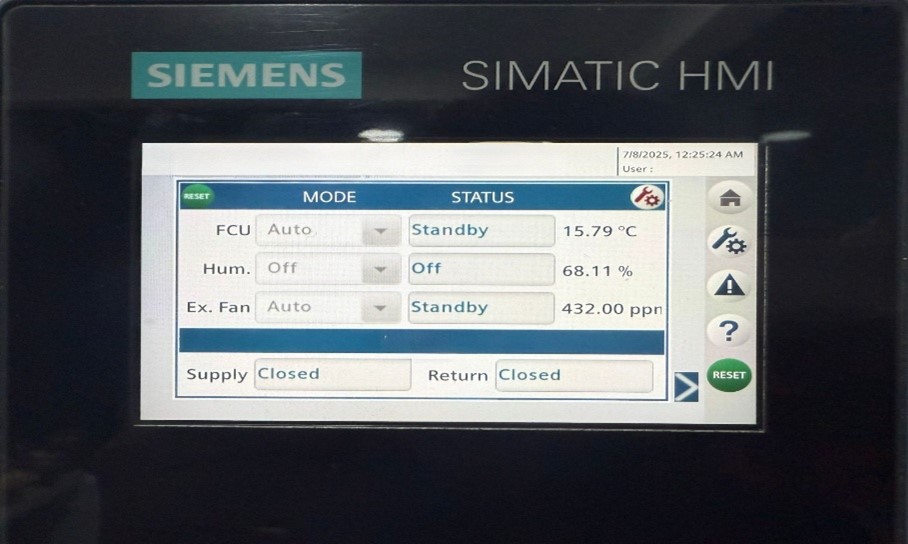
Modern vertical mushroom farms use automation, sensors, and climate control systems to maintain ideal growing conditions. CO₂ sensors, humidifiers, air filtration units, and timers ensure consistent and repeatable harvests. LED lighting, although minimal, may be used for specific species or to mimic natural cues.
Sustainability and Economic Potential
Mushrooms grow quickly and can be harvested in cycles as short as 25–30 days. Their high nutritional value, short growing period, and low environmental footprint make them a strong contender for future food systems.
With the rising demand for plant-based protein, functional foods, and medicinal fungi, vertical mushroom farming presents a highly scalable, profitable, and eco-friendly business opportunity.
Looking Ahead
From urban food security projects to high-end restaurants seeking fresh local mushrooms, the applications are expanding. Whether you're a startup grower or an established farmer diversifying into fungi, vertical mushroom farming offers a promising pathway into the future of agriculture.