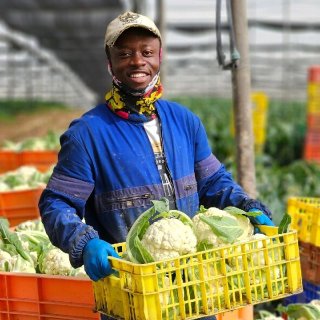
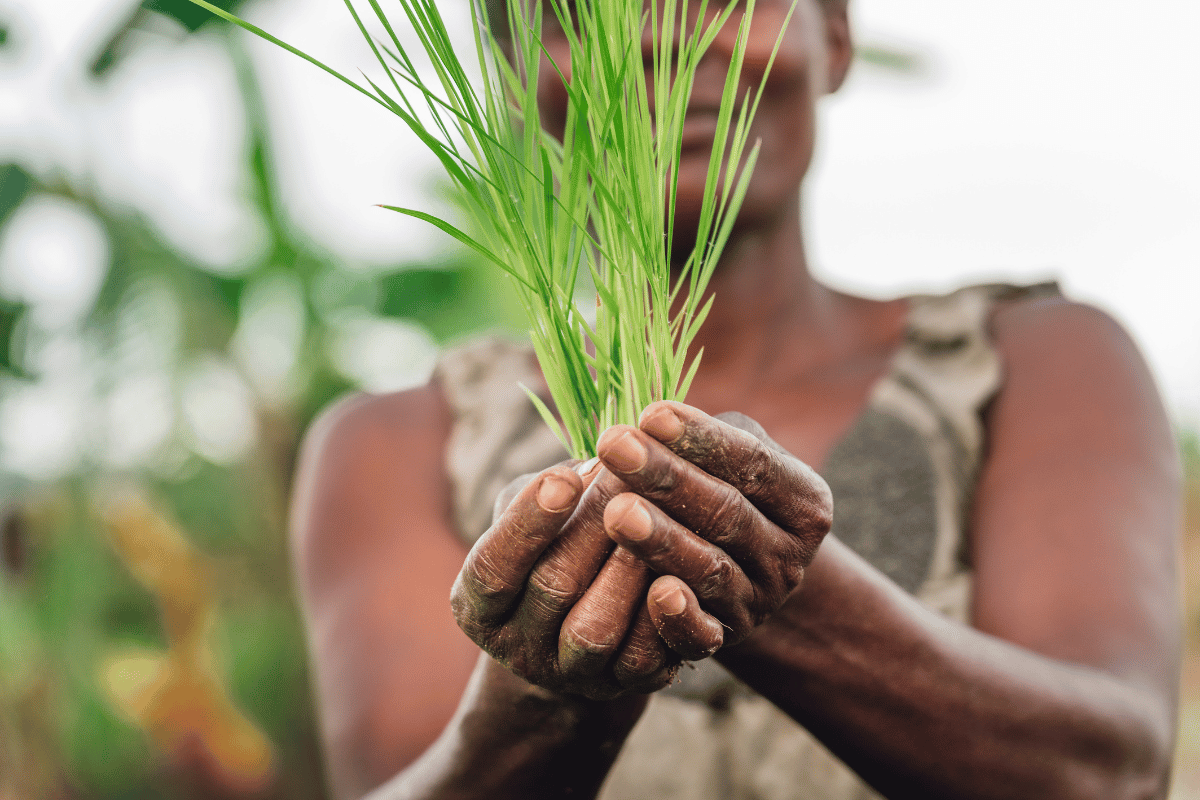
It's no surprise when Dr. Akinwumi Adesina, President of the African Development Bank (AfDB), stated, "Africa's next billionaires will be farmers" at the African Investment Forum in 2018. With projections placing the agricultural sector's growth at $1 trillion by 2030, much is being done to achieve this goal. This transformation is taking place in an integrated way, much like a well-functioning system. Below, I'll highlight the key areas driving Africa's agricultural revolution.
1. Production
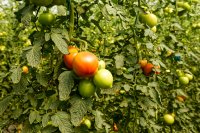
This area is about producing more food, both crops and livestock. Africa's innovative farmers are tackling production challenges through precision agriculture, breeding, soil science, and climate-smart agriculture. These approaches can be subdivided into sustainable farming practices, biochemistry, and biodiversity.
Precision Agriculture: Farmers, both large and small-scale, are using technology to optimize their operations. Precision tools, such as smart irrigation systems and advanced land preparation machinery, are reducing costs related to labor and time.
Breeding: Farmers are collaborating with breeders and seed suppliers to create stronger and more resilient crops and animals. The goal is to produce varieties that are stress-resistant (to diseases and environmental changes) while requiring fewer resources and yielding more.
Soil Science: Maintaining soil fertility is a primary focus, especially for crop farmers. Many are conducting soil tests and developing their own fertilizers, often with the help of fertilizer companies. For example, companies like FSG's Superfert Fertilizer and Nitrogen Chemicals of Zambia offer products tailored to specific crop needs. On top of this, farmers are installing boreholes and constructing dams to ensure continuous irrigation throughout the year.
Climate-Smart Agriculture: As the world’s climate changes, many farmers in Africa are adopting techniques to make their farming practices more sustainable. Climate-smart agriculture plays a vital role in helping farmers mitigate the adverse effects of climate change.
2. Management
Management is the backbone of agriculture, encompassing all bodies involved in the sector, both directly and indirectly. Africa is making great strides in integrating innovation and technology, with key players coming together to improve the agricultural landscape.
Collaboration Across Sectors: In Africa, governments, agro-companies, farmers, banks, media, youth, scientists, schools, and even lawyers are joining forces to push the agricultural agenda forward. Governments are offering political support for agricultural projects, while engineers are designing farming machinery and equipment. Schools encourage young people to pursue agricultural careers, and universities offer scholarships and exchange programs to foster collaboration with other countries.
This cross-sector collaboration is helping African nations leverage innovation to improve productivity, sustainability, and market access.
3. Market
The market is a critical area where Africa is becoming increasingly innovative. With better production methods, African countries are opening up more markets, particularly in North America, Europe, and Asia.
Improved Market Access: Many African countries are expanding their global reach by reducing taxes and engaging in vertical integration of agricultural products. Additionally, agro-tourism has gained traction, where farmers invite locals and international visitors to experience life on African farms.
Through these innovations, Africa is poised to become the breadbasket of the world, meeting global demand for food and agricultural products.
Africa's agricultural sector is evolving, driven by innovation in production, management, and market access. The continent is on track to become a global leader in sustainable food production with continued investment and collaboration.