


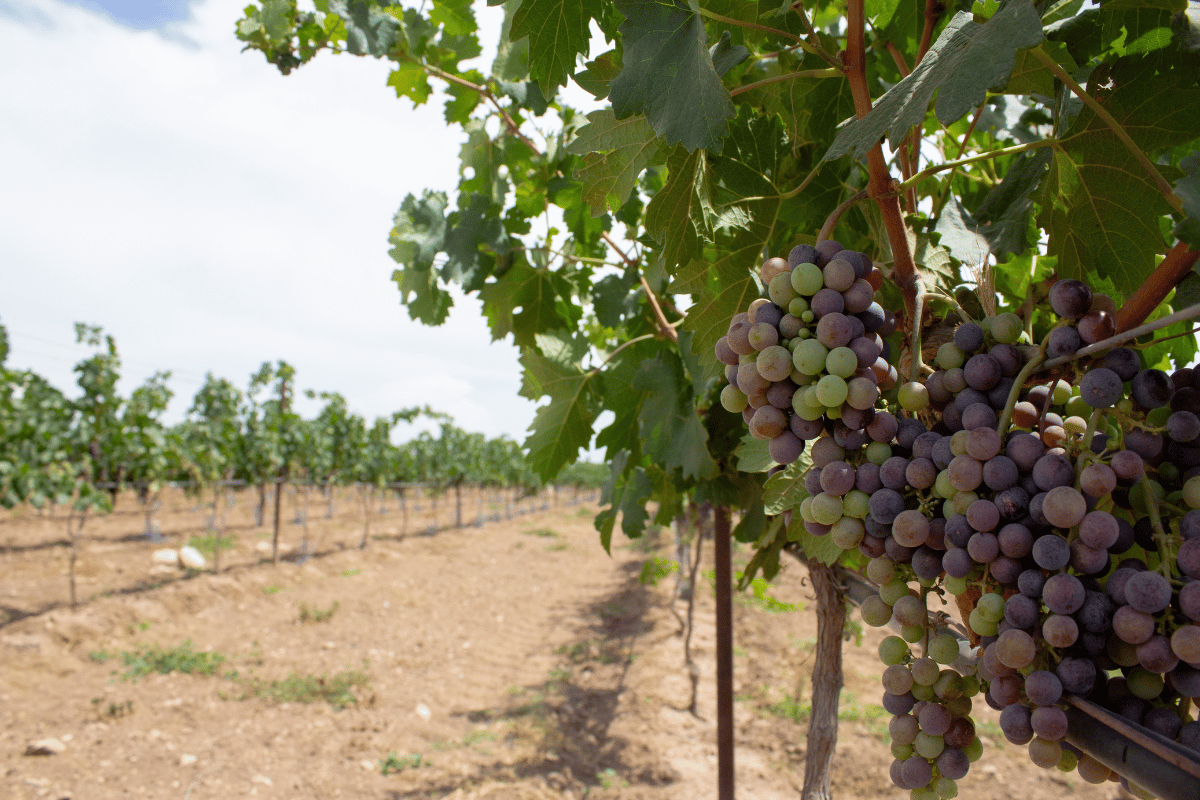
There is a quiet romance in planting a vineyard. The idea that a single vine, rooted in ancient soil, can produce something that travels the world and tells your story is intoxicating. But behind every great bottle is precision, patience, and strategy.
For those considering entering the world of wine farming, the journey is far more complex than planting vines and waiting for harvest. It is a long-term commitment to land, legacy, and leadership. And it is very much a global business.
Why terroir matters more than ambition
Every great wine begins with terroir, the combination of soil, climate, and geography that cannot be replicated. Regions like Bordeaux, Napa Valley, and Stellenbosch are not famous by accident. Their soils, slopes, and climates dictate what can be grown and how it will express itself.
Before planting a single vine, a farmer must understand the soil composition of their site, whether that is granite, shale, clay, or sandstone. Water availability and irrigation rights need to be secured early. Microclimates, wind patterns, altitude, and slope orientation all play a role in determining which grape varieties will thrive and which will struggle.
A poor site will cost you decades. A great site will build your legacy.
The timeline most new growers underestimate
Wine farming is not a short-term venture. Vines take 3 to 5 years to produce meaningful fruit. Premium quality often takes 10 years or more to develop. Brand equity takes decades. When asked how long it takes to build a successful wine brand, I offer a characteristically honest answer. "Fifty years, and at least one million rand a year in marketing."
This is generational wealth building, not a quick-return industry. The most successful wine farmers think like custodians, not entrepreneurs chasing fast profits.
Farming is only half the game
Many new entrants make the mistake of focusing only on production. In today's global grape market, making good wine is not enough. You must be able to sell it.
Wine is one of the most competitive luxury products in the world. You are not just competing with your neighbour. You are competing with France, Italy, the United States, Australia, and emerging regions across the southern hemisphere.
Understanding export markets is critical. China values prestige and gifting culture. The U.S. values brand storytelling. Europe values heritage and authenticity. Africa and other emerging markets value accessibility and growth potential. A modern wine farmer must be a marketer, exporter, and strategist in addition to being a grower.
Building a brand that outlasts you
The future of wine belongs to those who can tell a story. New models are already changing the industry. Direct-to-consumer e-commerce platforms allow producers to bypass traditional distribution. Custom-labelled wines for clients and collectors create personal connections with the product. Wine clubs and subscription models build recurring revenue. Digital storytelling, including augmented reality labels, is giving consumers new ways to engage with the origin of what they drink.
The next generation of wine businesses will not just be farms. They will be ecosystems that connect production, experience, and community.
Technology in the vineyard
We are entering an era where agriculture meets technology. Forward-thinking wine farmers are already exploring AI-powered vineyard management, data-driven harvesting decisions, and blockchain-backed wine authentication. There is also growing interest in the tokenization of wine assets, where investors can hold digital stakes in vineyard production or specific vintages.
These tools are still emerging, but they point to a future where wine farming becomes more accessible to global participation, opening doors that were traditionally reserved for a few.
Sustainability is no longer optional
The global consumer is changing. Today's buyer expects ethical farming practices, fair trade certification, responsible water and carbon management, and measurable social impact. Wine farmers who ignore sustainability will struggle to compete internationally. Those who embrace it will lead.
Why collaboration beats isolation
The days of isolated farms are fading. Collective models, where multiple producers come together under a unified vision, are becoming increasingly powerful. These structures allow shared marketing and export channels, increased bargaining power, and greater brand visibility in international markets.
In South Africa, the opportunity to unite family-owned producers into a global force is enormous. A commercial vineyard network can compete where individual farms cannot.
Think globally from day one
Too many wine farms think locally first and globally later. From your first bottle, you should be asking how it will sell in international markets, what your luxury positioning is, who your buyer is, and how you create scarcity and demand. The world is your market, but only if you build for it.
The opportunity exists for new world producers, especially from South Africa, to position their wines alongside established prestige brands. Limited production, vineyard-backed investment opportunities, and experiential ownership models like vine sponsorships and private labels are all paths into this space.
Wine is no longer just consumed. It is collected, traded, and invested in.
A final thought. Wine farming is often romanticized as a lifestyle, all rolling vineyards, beautiful sunsets, and bottles shared with friends. The truth is that it is one of the most demanding industries in the world. It requires patience beyond measure, financial resilience, deep agricultural knowledge, and global business intelligence. And yet, for those who succeed, the reward is unmatched. You do not just build a business. You build a legacy that can last for centuries.
From the vineyards of South Africa to the global stage, the future of wine belongs to those who dare to think differently, who combine tradition with innovation, and who understand that a single bottle can carry the story of a nation.