


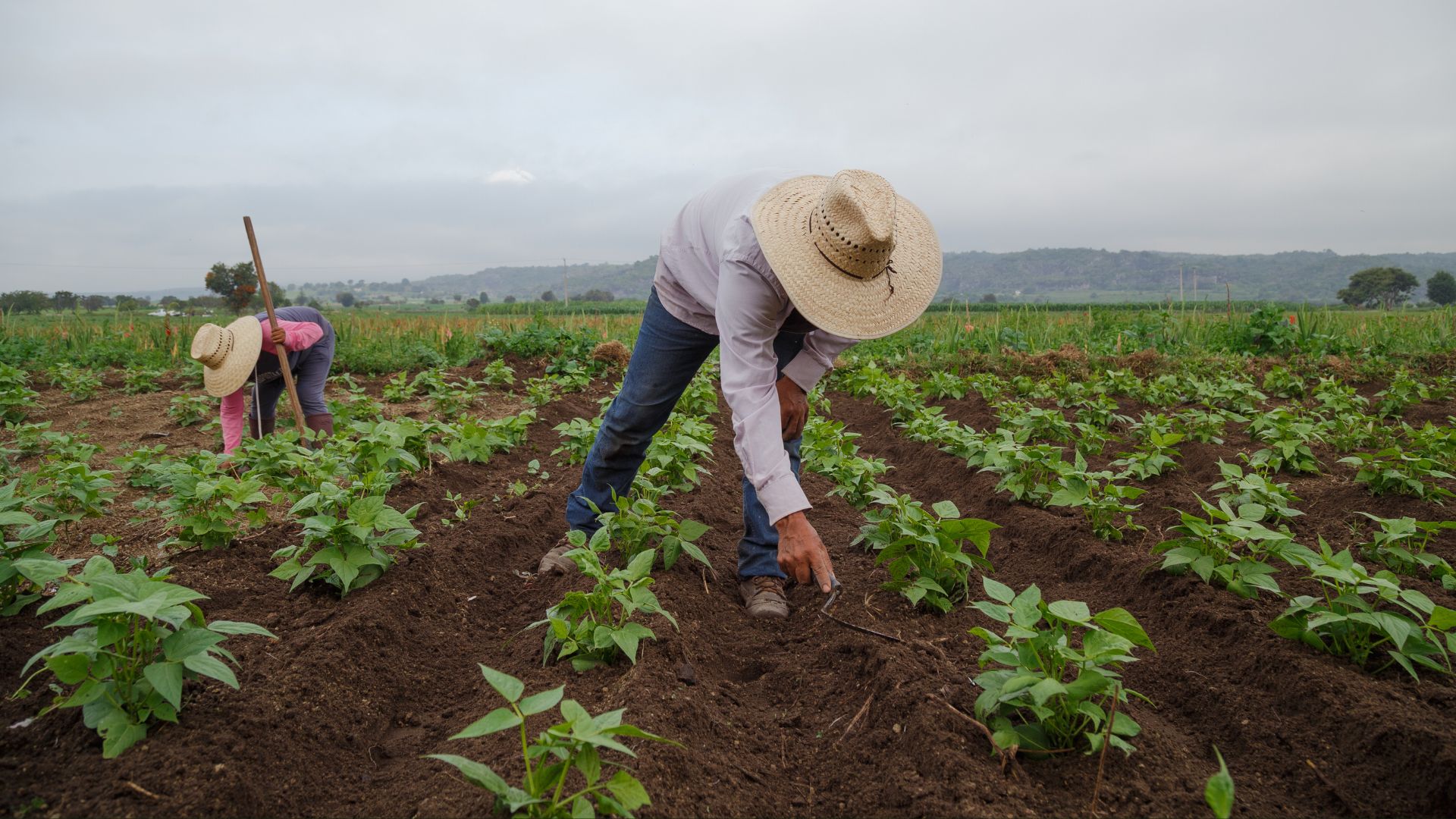
Wikifarmer had the pleasure to share valuable insights and engage in a discussion on the key challenges and opportunities in agriculture today, featured in the AgTalks series by AgriERP. This conversation explored critical topics such as climate change impacts, the gap between policy and practice, the role of technology and data in farming, and how AI and younger generations are shaping the future of agriculture.
Insights from Wikifarmer: Navigating Challenges and Opportunities in the Agrifood Sector
Wikifarmer, an open-access knowledge platform dedicated to empowering farmers with reliable, multilingual content, provides a unique vantage point on the evolving landscape of global agriculture. Drawing from years of experience in agricultural knowledge management and a strong foundation in plant sciences and breeding, Wikifarmer shares its perspective on the most pressing issues and promising solutions shaping the agrifood sector in 2025.
Key Challenges Facing Agriculture in 2025
The agriculture industry is confronted by a range of complex challenges, with climate change at the forefront. Its effects are no longer theoretical—farmers worldwide are experiencing the tangible impacts of droughts, unpredictable weather, and soil degradation. These environmental stresses threaten not only crop yields but also the long-term resilience of farming systems.
Another significant challenge is the disconnect between policymakers, researchers, and farmers. While there is growing interest in sustainable approaches such as regenerative agriculture, agroecology, and climate-smart farming, there remains a lack of consensus and clarity about these concepts. This ambiguity can leave farmers overwhelmed as they try to navigate new practices and make informed decisions.
Additionally, disruptions in food supply chains—driven by rising input costs, geopolitical tensions, and market volatility—add further uncertainty. These disruptions threaten both food security and the financial stability of farming communities.
Bridging the Gap: Solutions and Access
Wikifarmer emphasizes that many effective, sustainable agricultural practices already exist, often developed by farmers themselves well before the current focus on sustainability. The primary barrier is not the lack of solutions, but rather limited access to knowledge and support for implementation.
Projects like the Lighthouse Farms Network, led by Wageningen University, showcase real-world examples of innovative, sustainable practices—such as strip cropping and regenerative systems—with measurable success. The challenge lies in scaling these solutions and ensuring that farmers everywhere have the resources and guidance they need to adopt them.
Making Data and AgTech Work for Farmers
In an era dominated by big data, the agriculture sector faces the paradox of information overload. While vast amounts of data are available, the real need is for tools that translate complex information into simple, actionable insights. Practical technologies, such as field sensors that help optimize fertilizer or pesticide use, can deliver immediate value.
Wikifarmer highlights the importance of user-friendly software that distills data into clear recommendations. Expecting farmers to become data analysts is unrealistic; instead, technology should be intuitive, contextual, and designed to support decision-making without adding complexity.
Overcoming Barriers to Technology Adoption
Despite growing interest in digital tools like ERP and farm management platforms, adoption among farmers remains uneven. Key barriers include complexity, cost, and insufficient training. Given the already knowledge-intensive nature of farming—encompassing everything from crop management to finance and regulation—new technologies must simplify tasks, not add to the burden.
Wikifarmer advocates for a combination of targeted funding, accessible training, and better design to drive adoption. Demonstrating clear benefits—such as improved yields, time savings, or cost reductions—is essential for encouraging uptake.
The Role of Artificial Intelligence in Agriculture
Artificial intelligence is poised to play an increasingly important role in agriculture, not as a standalone solution, but as a coordinator that brings together diverse data sources and makes them actionable for farmers. AI can streamline interfaces, enable voice-based interactions, and automate decision-making processes.
However, Wikifarmer stresses the importance of data quality and relevance. AI tools must be grounded in expert knowledge from researchers and practitioners, ensuring that recommendations are both accurate and practical.
Empowerment Through Education and Collaboration
Wikifarmer’s mission centers on empowering farmers through education, making agricultural knowledge freely accessible in multiple languages. The platform believes that the sector does not necessarily need new solutions, but rather better access to existing ones, simplified implementation, and stronger connections between farmers, technology, and policy.
Ultimately, technology should make farming easier—not more complicated. By focusing on practical solutions, fostering collaboration, and prioritizing farmer-friendly tools, the agrifood sector can build resilience and drive sustainable growth in the years ahead.