


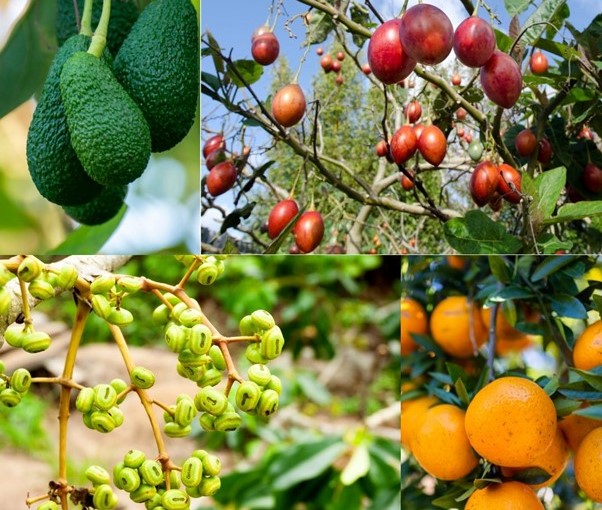
Safeguarding Tropical Fruit Tree Genetic Resources to Combat Climate Change and Preserve Biodiversity
Composed and edited by: Dr. Nagraani Mahaajan, Publication Director, Advanced Training in Plant Breeding (ATPBR), Maharashtra, India
In our ever-changing world, biodiversity is both a victim of climate change and a vital tool for mitigating its effects. The importance of Tropical Fruit Tree Genetic Resources (TFTGR), integral to larger biodiversity, cannot be overstated. They are essential not only for food production and nutritional benefits but also for maintaining our ecosystems and the environment.
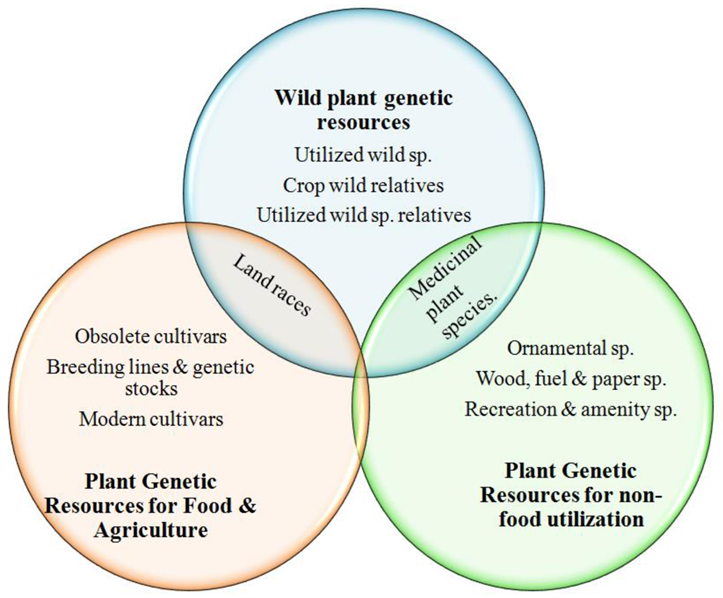
Photo 1. Understanding the Impact of Climate Change on Biodiversity, Source: Priyanka et al. 2021. Sustainability 13(12), 6743;
Climate change is causing significant shifts in the distribution of plant species, including our beloved tropical fruits. By using climate data and specialized software, researchers can predict how the different plant species will respond to these changes. This predictive power is crucial, as it helps us identify new areas for collecting and cultivating these vital crops. However, the shifting boundaries of where we can grow these crops present challenges. Some may face yield losses, while others might find new opportunities in areas that were once thought unsuitable.
The effects of climate change on agriculture are complex:
- Decreased Chilling Hours: Many fruit trees require a certain number of chilling hours for blooming and fruit set. Without this, farmers could see reduced yields.
- High Temperatures: Extreme heat (heat stress) during blooming or fruit ripening can negatively impact fruit set and quality.
- Water Deficits: Increased evapotranspiration rates can lead to water shortages, straining our resources.
- Changes in rainfall pattern: Increased chances of drought and flooding damaging resources
To tackle these challenges, evaluating TFTGR is crucial. We need to develop new cultivars that can tolerate high temperatures, resist (emerging) pests and diseases, and thrive under stress and low inputs. Although some initiatives are already in motion, a broader shift in strategy and implementation is necessary to address the looming threats of climate change effectively.
The Role of Tropical Fruit Tree Genetic Resources in Improving Tropical Fruit Crops
Research has shown that climate change is altering flowering times, fruit maturity, and harvesting seasons for various tropical fruit species. For example, when temperatures exceed 35°C (95°F), ethylene production can be disrupted, affecting the fruit's maturation. A loss of genetic diversity poses significant adaptation challenges, as seen in industries like grape cultivation for wine production. These shifts impact not only our fruit production systems but also how we manage field genebanks.
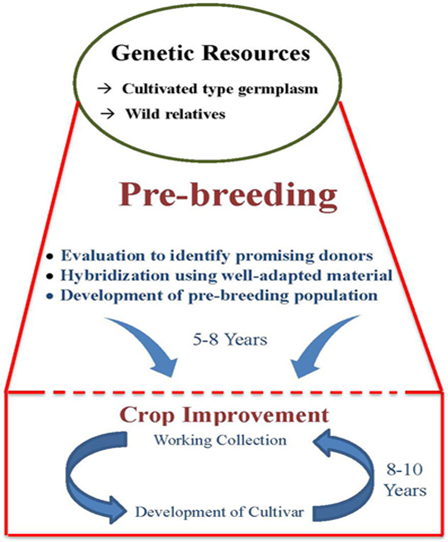
Photo 2. Collaboration is the key to effective biodiversity conservation.
Access to diversity (e.g., new genes) is essential for our efforts to adapt to and/or mitigate the negative effects of climate change. To adapt, we must carefully evaluate and screen our germplasm. Identifying and testing genetic materials is essential for crop improvement programs, ensuring food security and climate resilience.
The Human Dimension in Germplasm Management
At the heart of conservation efforts is the human element. The success of preserving and utilizing genetic resources heavily relies on understanding the needs, attitudes, and knowledge of the people involved—especially farmers, consumers and plant breeders. For conservation efforts to be successful, we must ensure that farming communities benefit and that these efforts keep pace with technological advancements.
However, the human aspect is often overlooked. Those managing germplasm (wild ancestors of crops, traditional varieties, landraces, etc.) need to grasp the diverse interests and needs of various stakeholders, including farmers, indigenous communities, and consumers. Finding a balance among these interests while keeping farmers' benefits at the forefront is essential for achieving sustainable, long-term goals.
Building Capacity for Conservation and Utilization of Genetic Diversity
Effectively managing TFTGR requires germplasm managers to possess a blend of agronomic, biological, and economic knowledge. As biodiversity conservation gains recognition, encouraging participation from a wide range of stakeholders—including students—is essential.
Scientific and technical personnel envolved in plant genetic resources management should not only be skilled scientists but also advocates for conservation. They must recognize the significance of conserving genetic diversity for both present and future generations. Engaging in fieldwork and collaborating actively with farmers and indigenous communities are critical components of successful germplasm management.
The Role of Policymakers and Collaboration
Policymakers play a pivotal role in facilitating effective biodiversity conservation. Raising awareness about agricultural biodiversity and ongoing efforts is crucial, but it's not enough for them to merely express commitment; they must also provide policy and funding support for conservation initiatives.
Collaboration among all stakeholders is key to managing genetic resources effectively. Individual custodian farmers have historically played a role in conserving genetic diversity within their fields, often working alongside others. Creating networks among these farmers can promote cooperation and continue their essential work.
Adopting the "3M approach"—a multidisciplinary, multi-institutional, and multisectoral strategy—can enhance genetic diversity management by ensuring that efforts are comprehensive and collaborative.
How Can Farmers Participate and Benefit?
Farmers have a unique and vital role in conserving tropical fruit tree genetic resources. Here are some practical ways they can get involved:
- Participate in Local Conservation Programs: Join or establish community-based conservation programs focusing on native fruit tree species. These initiatives can help maintain genetic diversity and empower farmers to protect their local ecosystems.
- Share Knowledge and Best Practices: Engage with agricultural extension services or local organizations to share experiences and knowledge about sustainable practices that enhance fruit tree diversity.
- Cultivate Native Varieties: Plant and cultivate native fruit tree varieties on their farms. This not only contributes to biodiversity but also ensures the resilience of their crops to changing climatic conditions.
- Collaborate with Researchers: Work with universities and research institutions to participate in breeding programs to develop climate-resilient fruit varieties.
- Attend Workshops and Training: Participate in workshops and training sessions focused on sustainable agriculture and biodiversity conservation. This can enhance their skills and knowledge, allowing them to contribute more effectively to conservation efforts.
- Advocate for Policies Supporting Biodiversity: Engage with policymakers to advocate for laws and regulations that support the conservation of agricultural biodiversity.
- Network with Other Farmers: Create networks with other farmers to exchange seeds, knowledge, and resources. Such collaboration can strengthen community resilience and promote sustainable practices.
Conclusion
No country is self-sufficient regarding the plant genetic resources necessary for agricultural success. The exchange of genetic materials has become increasingly complex due to evolving biodiversity conservation laws and regulations. Thus, developing effective strategies for conserving horticultural genetic resources is crucial, especially TFTGR.
Regions rich in tropical fruit trees, such as South and Southeast Asia, need special attention to unlock their economic and genetic potential. The multifaceted challenges of biodiversity conservation require the concerted efforts of all stakeholders—farmers, researchers, and policymakers. By addressing collection, exploration, on-farm conservation, and shifting mindsets, we can create a sustainable agricultural future that benefits both present and future generations.
Involving farmers in these efforts is not just beneficial; it's essential. By actively participating in conservation and utilizing TFTGR, farmers can enhance their resilience to climate change and contribute to a more sustainable and secure agricultural landscape. Together, we can ensure that our farming practices can withstand the pressures of climate change and evolving environmental conditions, paving the way for a thriving future.
Reference:
- Bhag Mal, V. Ramanatha Rao, R.K. Arora, Percy E. Sajise and B. R. Sthapit. 2011. Conservation and sustainable use of tropical fruit species diversity: Bioversity’s efforts in Asia, the Pacific and Oceania. Indian J. of Pl, Genetic Resources 24(1):1-22. http://tft.atbioversity.net/tiki-download_file.php?fileId=551
- Salma, I., Shariah, U., Pearlycia, B., Wong, W., Shukor, A., Norhayati, H. and Camellia, N. (2015) Community Contribution towards Conservation of Tropical Fruit Trees in Malaysia. Open Access Library Journal, 2, 1-7. doi: 10.4236/oalib.1101146.
- Sthapit, B., Ramanatha, R.V. and Sthapit, S. (2012) Tropical Fruit Tree Species and Climate Change. Bioversity International, New Delhi.
- Sthapit, B.R., Subedi, A., Gyawali, S., Jarvis, D. and Upadhaya, M.P. (2003) In Situ Conservation of Agricultural Biodiversity through Participatory Plant Breeding in Nepal. In: Conservation and Sustainable Use of Agricultural Biodiversity: A Source Book Vol II: Strengthening Local Management of Agricultural Biodiversity. International Potato Centre (CIP) and User's Perspectives with Agricultural Research and Development (UPWARD), Los Banos, 311-321.
- Sthapit BR, Hugo AH Lamers, V Ramanatha Rao and Arwen Bailey (eds). 2016. Tropical Fruit Tree Diversity Good Practices for In Situ and On-Farm Conservation. Routledge New York. 458 p.
- Bhuwon Sthapit, Vasudeva Ramesh, Parthasarathy Villupanoor, Shailendra Rajan, Idha Widi Arsanti, Salma Idris, Songpol Somsri, Hugo Lamers and V Ramanatha Rao. 2016. On-farm/In Situ Conservation of Tropical Fruit Tree Diversity: Emerging Concepts and Practices. Indian J. Plant Genet. Resour. 29(3): 285-288 (2016) DOI 10.5958/0976-1926.2016.00047.4
- Sankaran M. and Dinesh M.R. Biodiversity of Tropical Fruits and their Conservation in India. Journal of Horticultural Sciences, 15(2):107-126. Journal of Horticultural Sciences 15(2), 2020 — IIHR
- Shubham Jain, Harpal Singh, Manjunath Rathod, Rakesh Meena, Rutuja Narendra Deshmukh, Amrita Mohapatra, Rajat Sharma and Anushi. 2023. International Journal of Environment and Climate Change 13 (11): 4651-4661.
Further reading
Farm practices to increase biodiversity and enhance ecosystem services
What is biodiversity and why is it important?
What is Plant Propagation – Types and characteristics of Sexual and Asexual propagation material
The Role of Insects in Sustainable Agriculture: A Complete Guide