


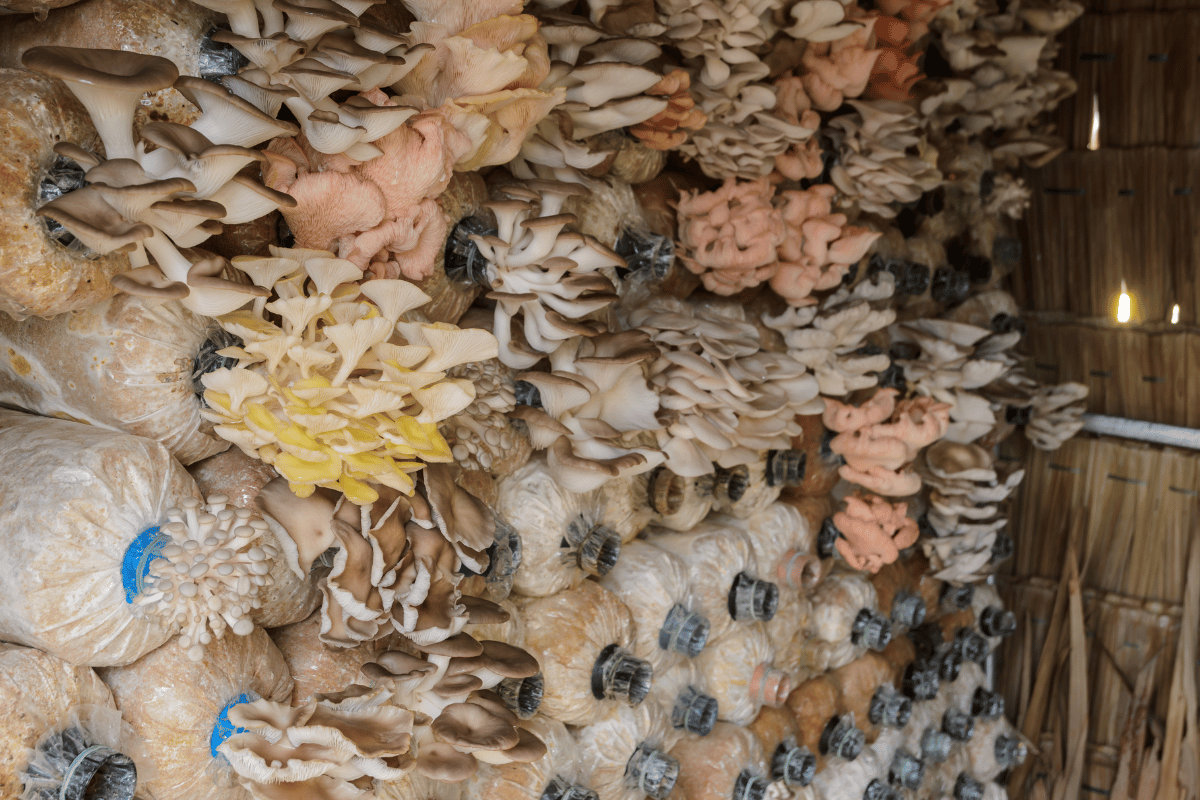
The revolution in Indian mushroom farming
The story of Indian farming is changing. Slowly, but surely.
Indian farming is changing, driven by rising input costs, fluctuating market prices, and a growing need for diversified income sources. Within this broader shift, mushroom cultivation has been expanding steadily, particularly among small and medium-scale farmers, self-help groups, and peri-urban producers.
India’s mushroom sector has grown over the past decade due to increasing domestic demand, changing dietary habits, and relatively low entry barriers compared to many field crops. Mushrooms require limited land, short production cycles, and controlled environments, making them suitable for farmers with space constraints or those looking to supplement existing income. However, profitability is often constrained by one key factor: fresh mushrooms are highly perishable, typically lasting only two to three days after harvest under ambient conditions.
This is where value addition and direct-to-consumer (D2C) models become relevant. Growers frequently point out that processing and direct sales help stabilize income, reduce waste, and create stronger links with buyers. Instead of relying solely on fresh produce sales, farmers who process mushrooms or sell directly to consumers are better positioned to manage price volatility and unsold stock.
What are value-added mushroom products?
Value-added mushroom products are those that extend shelf life, improve convenience, or target specific consumer needs beyond fresh consumption. Rather than selling mushrooms only as a raw product, farmers process them into forms that can be stored, transported, and sold at higher value per unit.
One common category is dried mushrooms and mushroom powders. Fresh mushrooms are cleaned, sliced, and dehydrated before being sold whole or ground into powder. These products are widely used in soups, curries, and seasoning mixes and are particularly attractive because they can be produced with simple equipment and stored for months.
Another important group includes condiments and ready mixes, such as mushroom soup powders, sauces, and pickles. These products combine mushrooms with spices, oil, or tomato-based ingredients, aligning well with Indian cooking habits. They serve urban consumers seeking convenience while still offering a familiar flavor profile. When prepared under hygienic conditions and properly packaged, these products can achieve longer shelf life and consistent demand.
Snack products, such as mushroom chips or baked mushroom snacks, target health-conscious consumers looking for alternatives to conventional fried snacks. These products often use thinly sliced mushrooms that are dried or lightly fried, turning a low-value raw product into a premium snack item.
A growing niche involves functional and medicinal mushroom products, including powders and teas made from species such as reishi or lion’s mane, where regulations permit. While these require more technical knowledge and careful labeling, they are a long-term diversification option rather than an entry-level product.
Finally, DIY mushroom grow kits represent a different form of value addition. By packaging substrate, spawn, and instructions, farmers sell knowledge and experience alongside the product itself. These kits are popular in urban areas, schools, and among hobby growers, especially in markets where interest in home food production is increasing.
Benefits of value addition for farmers and consumers
Value-added products provide growers with new markets and higher returns while giving consumers more choices and nutritional options.
For Farmers and Producers
Reduces Post-Harvest Waste – By utilizing surplus or unsellable mushrooms that would otherwise spoil, value addition transforms losses into revenue. According to NABCONS study data, mushrooms exhibit 12.5% overall post-harvest losses, with 11% occurring at farm operations. Processing these mushrooms prevents total loss and generates income from what would be discarded.
Generates Employment – Processing and distribution create jobs through the entire value chain, particularly benefiting rural women and self-help groups. Successful examples include women-led mushroom enterprises in Rajasthan that have created employment for hundreds while establishing ₹1 crore+ businesses. Training programs across India, from ICAR institutions to state agricultural universities, equip entrepreneurs with cultivation and processing skills, further expanding employment opportunities.
Enhances Storage and Transportability – Dried and processed mushrooms can be stored for months to a year, enabling exports and off-season sales. This overcomes the major limitation of fresh mushrooms, which have only 3-7 days shelf life even under refrigeration. Extended shelf life allows farmers to hold inventory and sell strategically when prices are favorable.
Higher Profit Margins – Value-added products command premium prices. For example, mushroom pickle production shows a benefit-cost ratio of 1.9, with net profit of ₹190 per kg when selling at ₹400/kg versus production cost of ₹210/kg. Fresh mushrooms might sell for ₹200-300/kg, but processed products fetch ₹600-1,200/kg depending on the product category.
Market Expansion Beyond Local Boundaries – Processed products withstand transportation better than fresh mushrooms, opening regional, national, and even export markets. Farmers are no longer confined to local sales within a few kilometers of their farms.
For Consumers
Offers Convenient, Nutrient-Rich Food Forms – Soups, snacks, and instant mixes provide easy ways to incorporate mushroom nutrition into daily diets. Busy urban consumers appreciate ready-to-use products that maintain nutritional value while saving preparation time.
Promotes Mushroom as a Functional Food with Health Benefits – Mushrooms are rich in protein (26.6% dry weight), B-complex vitamins, vitamin C, and essential minerals. When exposed to UV light, mushrooms produce significant amounts of vitamin D₂, with UV-exposed button mushrooms providing over 100% of daily vitamin D requirements per 75g serving. Mushroom vitamin D₂ content remains stable during refrigeration for 7-10 days and retains 62-88% during cooking. This makes mushroom products particularly valuable for vegetarian populations at risk of vitamin D deficiency.
Addresses Food Safety Concerns – Properly processed and packaged mushroom products undergo quality control that fresh mushrooms may lack in informal markets. FSSAI-certified processors must meet food safety standards, giving consumers confidence.
Year-Round Availability – While fresh mushroom production may be seasonal or weather-dependent, processed products remain available throughout the year, ensuring consistent supply to consumers.
Processing techniques for value-added mushrooms: simple and profitable steps
Among the various processing methods, drying and dehydration remain the most widely adopted by small-scale producers. Drying significantly extends shelf life and forms the basis for many other products. Experienced growers emphasize practical steps such as cleaning mushrooms without washing, slicing them evenly, and ensuring complete drying before storage to prevent spoilage.
Drying can be done using sun drying in suitable climates or through controlled methods such as ovens or small dehydrators. Once dried, mushrooms must be stored in airtight containers in dry, dark conditions to maintain quality over time.
Mushroom powder production builds directly on drying. Dried mushrooms are ground into fine powder and either sold as-is or used as an ingredient in soups, bakery items, or seasoning blends. This approach allows farmers to utilize broken or irregular dried pieces that might otherwise have lower market value.
Traditional processing methods such as pickling and chutney preparation also play an important role, especially for home-based units and self-help groups. These products rely on well-established culinary practices, but success depends on consistency, hygiene, and proper storage.
A recurring principle shared by experienced growers is simple: when fresh mushrooms do not sell on time, they are processed the same day. This mindset helps ensure that little to no produce is wasted.
Direct-to-consumer (D2C) sales models: how to sell mushrooms straight to buyers
Direct-to-consumer models allow farmers to sell mushrooms and mushroom-based products without relying entirely on intermediaries. Rather than being limited to wholesale prices, producers can engage directly with households, restaurants, and small retailers.
In practice, many farmers begin with basic tools such as WhatsApp groups or social media pages to take orders and share product updates. Others gradually expand to online marketplaces or subscription-based delivery systems for urban customers. Farm-gate sales and local delivery remain especially relevant for fresh mushrooms, where proximity reduces spoilage risk.
While D2C requires additional effort in packaging, communication, and logistics, it also provides valuable feedback from buyers. Farmers often note that direct interaction helps them adjust product sizes, packaging formats, and processing methods based on real consumer preferences.
As consumers increasingly value transparency and traceability, D2C models create a more personal connection between producers and buyers, reinforcing trust and long-term demand.
Closing perspective
Mushroom value addition and direct-to-consumer models represent genuine opportunities for Indian farmers, rural entrepreneurs, and small businesses. The convergence of several favorable factors creates compelling conditions for success: growing health consciousness driving demand for nutritious foods, rising incomes and urbanization supporting premium product purchases, government support through training programs and financial assistance, technology enabling direct farmer-consumer connections, and established processing methods suitable for small-scale operations.
Further Resources
For comprehensive technical guidance and ongoing support, explore Wikifarmer's mushroom cultivation library: