



Unlocking the Potential of Jamun: A Fruit with Multifaceted Benefit and Nutritional Value
India, with its rich biodiversity and varied agro-climatic conditions, is home to a plethora of fruits that have been an integral part of its culture and cuisine for centuries. Among these, Jamun (Syzygium cumini), also known as Java plum or black plum, stands out not only for its unique taste and nutritional benefits but also for its potential to significantly impact the economy and health of the nation. Despite its numerous advantages, Jamun remains an underutilized fruit, often overshadowed by more commercially promoted fruits like apples. This article aims to shed light on the multifaceted benefits of Jamun, comparing it with apples and discussing ways to unlock its potential for the benefit of Indian farmers, consumers, and the economy at large.
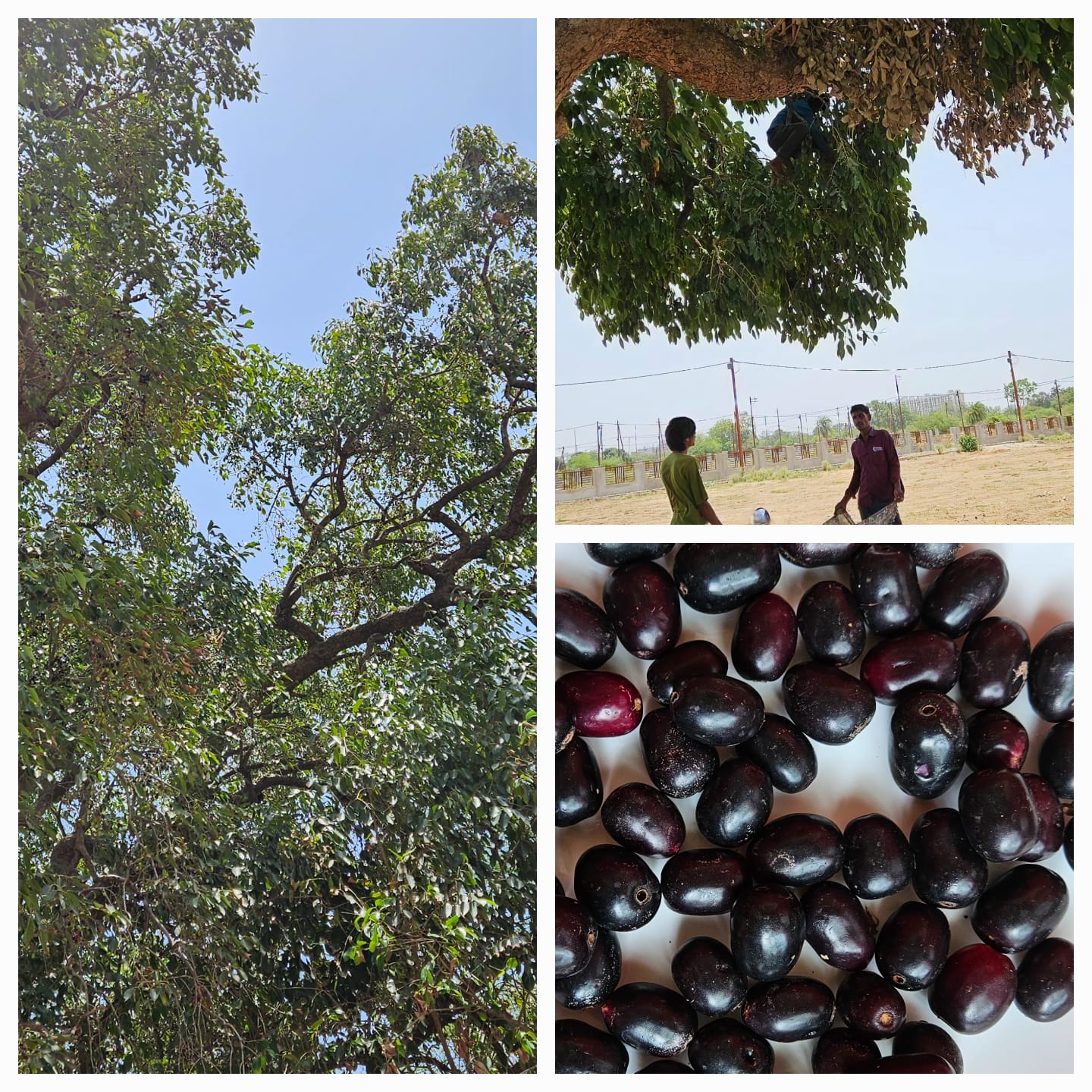
Nutritional and Health Benefits of Jamun
Jamun is a powerhouse of nutrients, including vitamins A and C, potassium, magnesium, and iron. It is particularly known for its high antioxidant content and low glycemic index, making it an excellent fruit for managing blood sugar levels. The fruit's pulp, seeds, and leaves have been used in traditional medicine for various ailments, including diabetes, digestive issues, and skin problems. The scientific community has begun to validate these traditional uses, with studies highlighting Jamun's potential in controlling diabetes, reducing inflammation, and exhibiting antioxidant properties.
Comparing Jamun with Apples
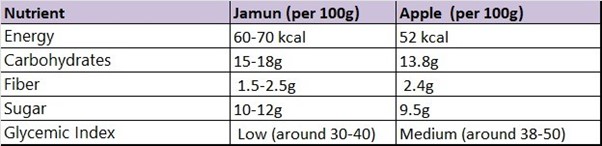
Apples are one of the most consumed fruits globally, and in India, they are imported in large quantities. While apples have significant nutritional benefits, Jamun offers a similar, if not superior, nutritional profile with the added advantage of being locally grown and more suited to the Indian climate. A comparison of the two fruits reveals that Jamun has a slightly higher fiber content and a lower glycemic index than apples, making it a better choice for those looking to manage their blood sugar levels.
Nutritional Comparison: Jamun vs. Apple
Economic Benefits of Promoting Jamun
Promoting Jamun can have significant economic benefits for India. By increasing the cultivation and consumption of Jamun, the country can reduce its dependence on imported fruits like apples, thereby saving foreign exchange. Additionally, Jamun cultivation can provide a sustainable source of income for farmers, especially in rural areas where it is commonly grown. The fruit's potential for value addition through products like jam, jelly, juice, and powder can further enhance its economic viability.
Challenges in Jamun Cultivation and Marketing
Despite its potential, Jamun faces several challenges, including perishability, lack of standardized cultivation and marketing practices, and limited awareness about its benefits. The fruit's short shelf life necessitates quick consumption or processing, which can be a challenge for farmers and traders. Moreover, the lack of a well-organized supply chain and marketing infrastructure hampers the fruit's reach to wider markets.

Unlocking Jamun's Potential: Recommendations
To unlock the potential of Jamun, several steps can be taken:
- Research and Development: Investing in research to improve cultivation practices, develop new products, and enhance the shelf life of Jamun can significantly boost its marketability and consumption.
- Awareness and Promotion: Campaigns and promotional activities that create awareness about Jamun's nutritional and health benefits can increase its demand and encourage more farmers to cultivate it.
- Value Addition: Developing a range of Jamun-based products can increase the fruit's shelf life and provide consumers with convenient and nutritious options.
- Support to Farmers: Providing support to farmers in terms of training, inputs, and market access can encourage more farmers to take up Jamun cultivation, thereby increasing its production and availability.
- Policy Support: Government policies that support Jamun cultivation, processing, and marketing can play a crucial role in promoting the fruit and realizing its economic potential.
Conclusion
Jamun is a fruit with multifaceted benefits, ranging from its nutritional and health advantages to its economic potential. By promoting Jamun cultivation, improving its marketing, and developing value-added products, India can enhance the livelihoods of its farmers and contribute to the health and well-being of its citizens. Unlocking Jamun's potential requires a concerted effort from all stakeholders, including farmers, researchers, policymakers, and consumers. With the right approach, Jamun can become a significant contributor to India's agricultural economy and a symbol of sustainable and healthy living.