


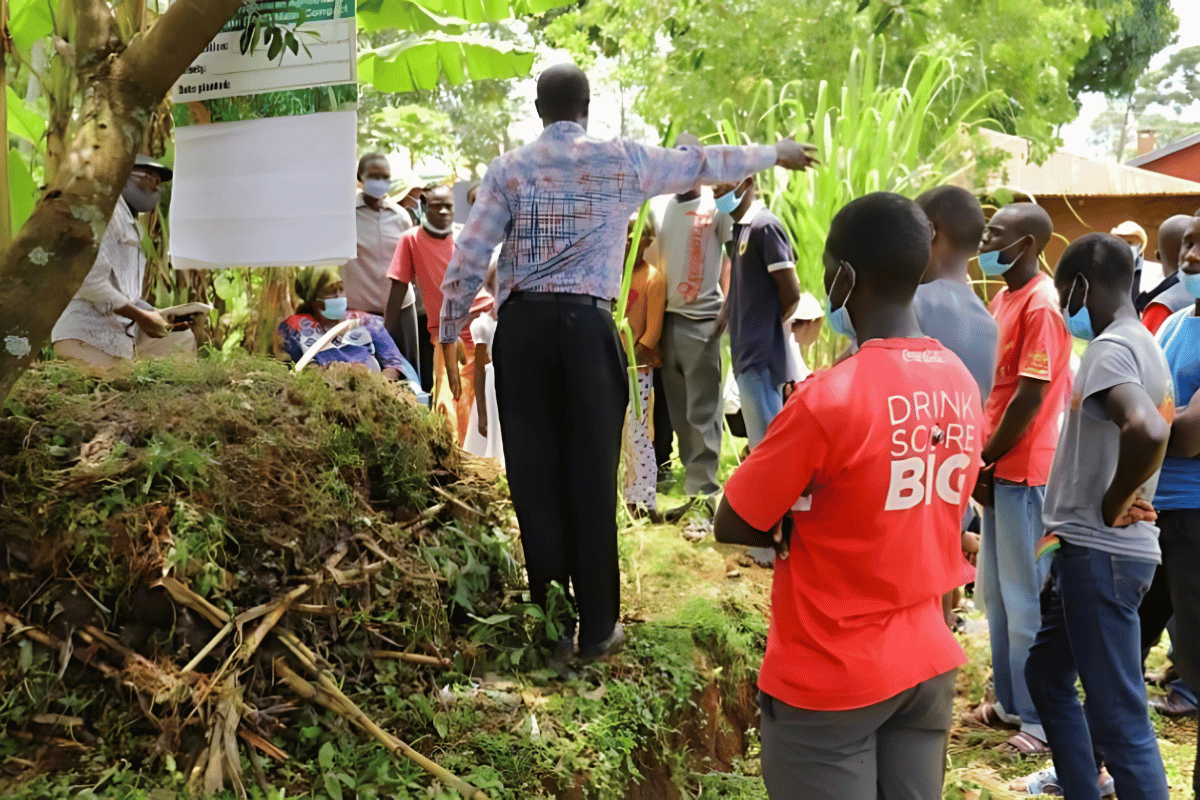
Introduction: A nation at a crossroads
Kenya is experiencing an escalating food and nutrition crisis. Over 4.35 million people face hunger and malnutrition, according to the National Drought Management Authority (NDMA). Farmers are increasingly unable to meet the country’s food demands as they contend with unpredictable weather patterns, declining soil fertility, limited extension support, pest outbreaks, and volatile markets. These conditions are not isolated they are symptoms of a deeper systemic vulnerability in the country’s agricultural model, particularly in arid and semi-arid regions.
The challenges facing Kenya’s food systems are layered and interdependent: degraded soils, biodiversity loss, rising input costs, shrinking water availability, and rural unemployment. While short-term interventions have provided temporary relief, they have not addressed the structural drivers of vulnerability. Without a shift in how land is managed, how knowledge is delivered to farmers, and how climate risks are absorbed at the local level, Kenya risks recurring crises each more intense and costly than the last. This is not just an agricultural issue; it is a national development concern with implications for public health, economic stability, and environmental integrity.
Regenerative agriculture (RA) has emerged as a compelling alternative. Its potential lies in its systems- based approach restoring soil health, improving water retention, increasing biodiversity, and building climate resilience at both farm and landscape levels. In contexts like Kenya, where the intersection of climate stress, youth unemployment, and food insecurity is becoming more acute, RA offers a way to reverse degradation while enabling sustainable productivity. It is not a silver bullet, but the evidence increasingly shows that without large-scale regenerative solutions, food systems in vulnerable geographies may not withstand the pressures ahead.
Three actionable ways to scale regenerative agriculture in Kenya
Scaling regenerative agriculture in Kenya requires action across multiple fronts. Here are three interconnected levers that can drive systemic change:
1. Increase private sector investment
One of the biggest barriers to scaling regenerative agriculture is the labor intensity of practices like composting and cover cropping. Critics argue these practices are hard to scale beyond subsistence farming.
To overcome this:
- The government should subsidize regenerative product manufacturing costs.
- Private companies should improve last-mile distribution to remote areas.
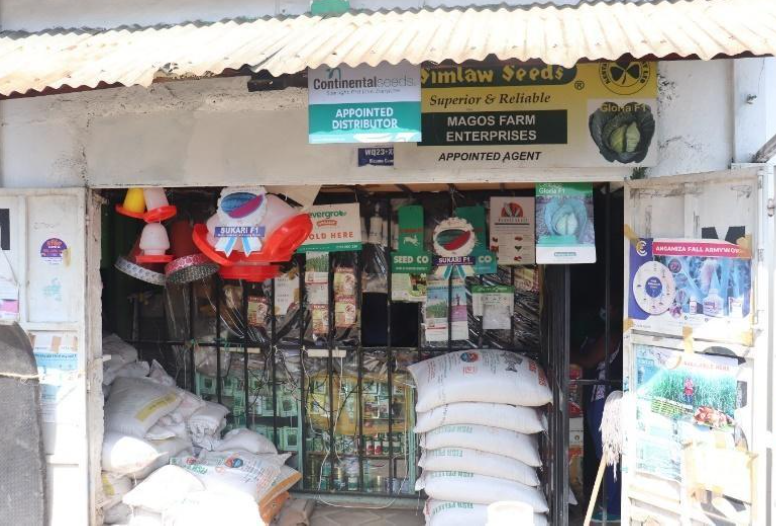
Inputs can be delivered through:
- Local agrovets
- Village-based advisors
- Farmer cooperatives
When private and public sectors work together, scaling regenerative solutions becomes possible.
2. Expand government commitment and policy support
Both national and county governments in Kenya need to embed regenerative agriculture into agricultural planning, budgets, and training programs.
What counties can do:
- Subsidize regenerative farming inputs.
- Include and invest in regenerative agriculture in County Integrated Development Plans (CIDPs) and Climate Action Plans.
- Equip agricultural officers with training and tools to educate farmers on regenerative methods.
This approach ensures policies move from paper to practice, directly benefiting farmers.
3. Strengthen agricultural extension and knowledge sharing
Even with inputs available, farmers must understand how to use them effectively. That’s where extension
services come in.
To bridge the gap between innovation and adoption:
- Use ward agricultural officers and village-based advisors to conduct trainings.
- Leverage mobile tools, SMS platforms, and farmer apps to spread information.
- Support research institutions in identifying the best combinations of regenerative practices tailored to local conditions.
Without extension and education, good policies won’t reach the soil.
AGRA's Work: Regeneration on the Ground
The Alliance for a Green Revolution in Africa (AGRA) is currently implementing a regenerative agriculture project in Machakos, Kitui, Embu, and Tharaka Nithi, with support from the IKEA Foundation. This project aims to create climate-resilient farming models that reflect Kenya’s ecological and cultural diversity. To date, over 102,000 farmers have been trained in regenerative practices, supported by 629 active Village- Based Advisors (VBAs). The impact is clear: 91% of farmers reported increased crop yields, 54% observed improved water retention, and 52% noted better soil health. Additionally, 45% experienced reduced soil erosion, while 32% achieved cost savings. The project has also driven policy engagement, with counties developing regenerative agriculture policy documents and studies assessing subsidy impacts. By combining farmer training, local entrepreneurship, and policy alignment, the STRAK project is building resilient food systems rooted in ecological health and inclusive growth.
The FOLU approach: A national vision for regeneration
The Food and Land Use Coalition (FOLU) Kenya recognizes regenerative agriculture as a key pathway to achieve Food and nutritional security. FOLU Kenya is working with the government and partners to promote a shared national understanding of regenerative agriculture and to unify fragmented efforts. It is a national priority that is key to restoring degraded land, cutting carbon emissions, and achieving food and nutrition security. By working with government, researchers, and local actors, FOLU is driving a unified vision that includes regeneration into policy, investment, and planning frameworks. Its approach focuses on aligning fragmented efforts, scaling what works, and creating pathways for inclusive growth proving that regeneration can deliver for people, climate, and nature at once.
Call to Action now
The time for pilot projects and isolated efforts is over. Kenya needs:
- Coordinated action between government, private sector, researchers, and farmers
- Clear strategies aligned with climate, nutrition, and land goals
- Smart investments that prioritize both people and t he planet
The era of small-scale pilot projects and fragmented interventions is no longer sufficient. The scale and complexity of the challenges facing Kenya’s food system require decisive, collective, and sustained action. Addressing soil degradation, climate vulnerability, malnutrition, and rural unemployment cannot be done in silos. What is needed now is a whole-of-system response that brings together government leadership, private sector innovation, research expertise, and farmer knowledge working in synergy rather than in parallel.
This moment calls for bold national and county-level strategies that embed regenerative agriculture into agricultural policies, investment frameworks, and climate action plans. Kenya must move beyond rhetoric and ensure that regenerative practices are mainstreamed in extension programs, subsidy schemes, and
value chain development efforts. The potential for transformation is huge especially if investments are directed toward youth-led enterprises, localized input systems, and decentralized knowledge-sharing platforms. These are not just agricultural shifts they are pathways to job creation, climate resilience, and sustainable economic growth.
There is still time, but the window is closing. Every season lost to soil erosion, climate disruption, and market failure pushes Kenya closer to an irreversible tipping point. Regenerating Kenya’s soils is not just about increasing yields it is about safeguarding the health, dignity, and resilience of millions of households. Regeneration must begin now not as a trend, but as a national imperative that redefines how Kenya feeds its people and sustains its landscapes for generations to come. Regeneration of our soils, our systems, and our shared future should start today.