
Adapting to Change: How Telangana Farmers are Embracing Oil Palm Cultivation
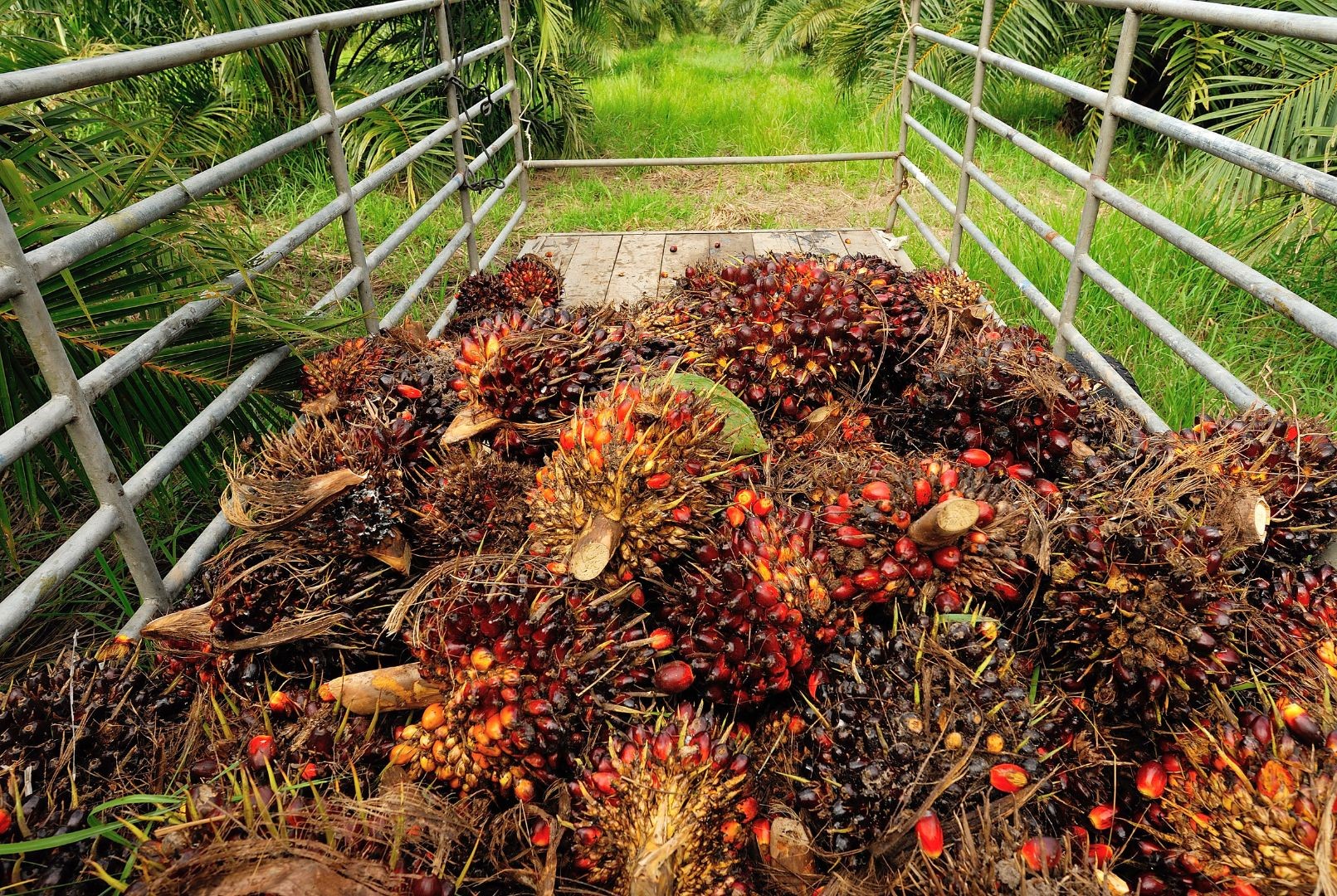
Palm oil is extracted from the fleshy mesocarp of the fruit of the palm tree, which contains about 45-55% oil and is rich in antioxidants and vitamins, including vitamin E, essential for maintaining a healthy immune system. Palm Kernel Oil, obtained from the seed's kernel, is a valuable source of lauric oil. Both of these oils have significant edible value and are highly sought after.
Due to its low cost, consumers widely use palm oil as a cooking medium. It serves as an excellent raw material for producing oleochemicals used in manufacturing soaps, candles, and plasticizers. Its applications span from edible oil to cosmetics, pharmaceuticals, biofuel, and biolubricants.
Globally, palm oil is a leading edible oil, accounting for 35% (75.50 MMT) of the world's edible oil production in 2021-22. It is utilized for both food (72%) and non-food (28%) purposes. A significant portion of India's edible oil needs is met by importing palm oil from Indonesia and Malaysia, with palm oil constituting over 70% of our (India's) total vegetable oil imports.
To lessen reliance on imports, the federal government initiated the Palm Oil Mission, allocating a budget of 110 billion rupees to expand the cultivation area across 17 states.
Telangana Farmers' Perspectives on Oil Palm Cultivation
In the past few years, farmers in Telangana State have been moving towards Palm oil cultivation. Before the introduction of palm oil cultivation, Telangana extensively practiced paddy farming. However, decreasing demand for rice in states such as Jharkhand, Tamil Nadu, and Kerala made both the state and federal governments hesitant to purchase the excess rice stock from Telangana farmers.
With water availability from irrigation projects, the lands of Telangana have become ideal for oil palm cultivation. As a result, the Government of Telangana is vigorously promoting oil palm farming. The state now ranks:
- 6th in area under cultivation,
- 2nd in production, and
- 1st in oil extraction
The State Government is encouraging oil palm cultivation to increase farmers' income and achieve self-sufficiency in edible oil production, reducing dependence on imported edible oil and saving valuable foreign exchange.
What factors are driving the shift to Palm Oil cultivation?
- Agricultural Labour Shortages
Many farmers are experiencing difficulty in finding farm workers for traditional crops like cotton and paddy. These crops require intensive manual labor for activities such as planting, weeding, and harvesting.
Oil palm cultivation is less labor-intensive than field crops. Once the palms are established, the maintenance and harvesting process requires significantly less manual labor, making it an attractive option for farmers facing labor shortages.
- Minimal Marketing Efforts
Unlike vegetables and fruits, which often require significant marketing efforts to sell perishable goods quickly, palm oil has a stable and growing market. This reduces the pressure on farmers to find buyers and negotiate prices. Many farmers engage in contract farming for oil palm, where agreements with processing companies ensure a guaranteed market for their produce, minimizing the need for individual marketing efforts.
- Buy-Back Guarantee a Security for Farmers
Processing companies provide a buy-back guarantee for oil palm produce, ensuring farmers have a secure and stable market. This arrangement mitigates market risks, offering farmers a consistent income and predictable cash flow. It also instills confidence in farmers to invest in oil palm cultivation, knowing their produce will be purchased at a fair price.
- Ageing Generation of Farmers
Many farmers in Telangana are aging, and younger generations are less inclined to take up labor-intensive farming. With lower labor requirements, oil palm cultivation is more appealing to older farmers who may find traditional farming physically demanding.
- Less Intensive Management
After the initial planting and establishment phase, oil palm requires less day-to-day management than other field crops. This reduction in daily farm work allows farmers to focus on other activities or manage larger land areas.
- Year-Round Harvest
Oil palm trees produce fruit throughout the year, leading to a more consistent workload and income stream, contrasting with traditional crops' seasonal peaks and troughs.
- Utilization of Land
Oil palm can be cultivated on marginal or less fertile lands where traditional crops might not thrive. This allows farmers to make productive use of land that was previously underutilized.
- Income Diversification
With the steady income from oil palm, farmers can diversify their income sources, reducing dependency on one crop and improving financial stability.
- Government Support
Continuous government support in the form of subsidies, technical assistance, and favorable policies for oil palm cultivation provides a secure environment for farmers to switch from traditional crops.
Incentives and support from the Government
- Subsidy for Nursery Plants
Oil-producing companies in the state operate nurseries that cultivate saplings and supply them to farmers at subsidized rates. Currently, the state boasts 30 nurseries, the highest number in the country.
- Irrigation Subsidy
Farmers receive an 80% subsidy for drip irrigation systems used in oil palm cultivation, significantly lowering their input costs. Additionally, providing free electricity for irrigation further reduces expenses, supporting farmers in optimizing their resources.
- Intercropping Assistance
The government provides ₹10,500 per hectare annually to assist farmers with management and inputs for intercropping during the four-year gestation period of oil palm cultivation.
- Training and Extension Services
The State Agriculture Department is pivotal in supporting farmers by offering knowledge transfer, training, and problem-solving assistance. The department helps farmers implement best practices in oil palm cultivation through regular field visits and hands-on guidance.
References
African Oil Palm - SourceWatch. https://ftp.sourcewatch.org/index.php?title=African_Oil_Palm
Kumar, M. (2022, December 11). Telangana’s big push to cultivate paddy and palm oil may lead to a water crisis. Scroll.in. https://scroll.in/article/1039296/telanganas-big-push-to-cultivate-paddy-and-palm-oil-may-lead-to-a-water-crisis
Login Consent – Money Control. (n.d.). https://www.moneycontrol.com/ms/earth-360/news/environment/despite-challenges-telangana-plans-to-expand-oil-palm-plantation-area-by-22-times-9644051.html
National Bank for Agriculture and Rural Development (NABARD). (2023). Policy Initiatives.https://www.nabard.org/auth/writereaddata/careernotices/0702235548Policy%20Initiatives.pdf
Abburi, B. S. (2022, October 30). Telangana’s ambitious palm oil strategy to help India reduce import. https://www.bbc.com/news/world-asia-india-63212557
:: Telangana Oil Palm Mission :: (n.d.). https://opm.telangana.gov.in/common/loginpage.tshcoilpalm
Department of Agriculture & Farmers Welfare. (2022). National Mission on Edible Oils - Oil Palm (NMEO-OP) Operational Guidelines (2021-22 to 2025-26) [Report]. https://nmeo.dac.gov.in/nmeodoc/NMEO-OPGUIEDELINES.pdf
Pandey, K. (2022, December 12). Despite challenges, Telangana plans to go big on palm oil plantations. Mongabay-India. https://india.mongabay.com/2022/12/despite-challenges-telangana-plans-to-expand-oil-palm-plantation-area-by-22-times/
Further reading
Paddy Processing: A Complete Guide
Empowering Oil Palm Farmers: Sustainable Solutions for Yield, Profitability, and Food Security
Oyster Mushroom Cultivation using Oil Palm Empty Fruit Bunches Fibre