


What is beekeeping?
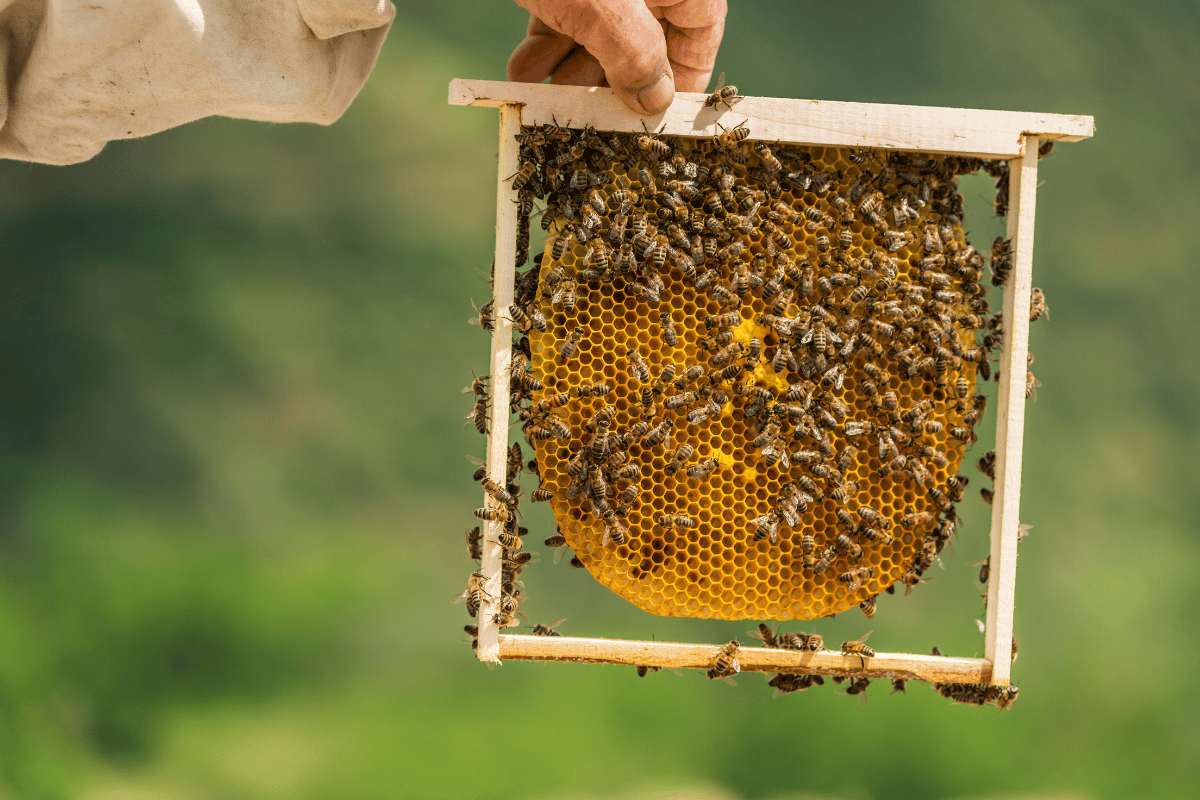
Beekeeping, scientifically known as apiculture (from the Latin Apis meaning "bee"), is the practice of maintaining and managing honeybee colonies, typically in artificial hives, for the production of honey, beeswax, and other valuable hive products and for providing essential pollination services to agriculture. This ancient practice, with archaeological evidence dating back to at least 3,100 BCE in Egypt, has evolved from simple honey hunting into a sophisticated agricultural branch that plays a critical role in global food security and ecosystem health.
What does a beekeeper actually do?
A beekeeper, or apiarist, manages bee colonies housed in structures called apiaries or "bee yards". The practice involves far more than simply collecting honey. Modern beekeepers monitor colony health, manage seasonal behaviors like swarming, control pests and diseases, ensure adequate nutrition through diverse forage, maintain optimal hive conditions, and carefully intervene throughout the year.
The work follows the natural lifecycle of bees. During spring, beekeepers check colonies every two weeks to prevent swarming, add frames or honey supers to reduce congestion, and may create splits to increase colony numbers. In summer, they monitor for adequate space and harvest honey. As autumn approaches, they prepare colonies for winter by ensuring adequate food stores. Throughout winter, maintaining proper hive temperatures becomes crucial for colony survival.
The Economic value of bee pollination
Bees rank among Earth's most important pollinators. While foraging for nectar, they transfer pollen between flowering plants, enabling reproduction of countless plant species and agricultural crops. The numbers tell a compelling story: bee pollination increases cotton yields in sub-Saharan Africa from 37% to 62%. In Kenya's smallholder farming systems, pollination by bees accounts for nearly 40% of annual crop production across vegetables, legumes, and fruits.
Globally, pollination services rendered by all insects exceed $100 billion annually, with bees providing the lion's share. In the United States alone, wild bees and honeybees produce over $1.5 billion in annual pollination value for seven major crops, with honeybees contributing approximately $6.4 billion across these crops. Perhaps most striking, the value of additional yield obtained through bee pollination alone is estimated at 15-20 times more than the value of all hive products combined.
Without adequate bee pollination, biodiversity and food production would decline dramatically. More than 50% of seed-propagated plant species depend on insects for adequate pollination, with bees responsible for approximately 65% of this critical service.
What makes beekeeping important for sustainable development?
Beekeeping requires minimal startup capital, as hives and equipment can be made from locally available materials. The global apiculture market, valued at approximately $10-14 billion in 2024, is projected to reach $12-27 billion by 2030-2032, demonstrating robust growth potential.
For rural communities, beekeeping creates employment throughout the value chain, from hive construction and maintenance to honey extraction, processing, packaging, and marketing. In areas with limited formal employment, beekeeping offers viable livelihood options, particularly for women and youth. Beekeeping's flexibility allows it to complement other agricultural activities without requiring constant attention, as bees largely feed and manage themselves.
In India, where 50 million hectares are under bee-dependent cultivation, honey production reached 133,200 metric tons in 2021-22, with exports worth approximately ₹1,221 crores (roughly $146 million). This demonstrates beekeeping's economic importance for national economies.
Environmental Sustainability
Beekeeping aligns closely with sustainable development goals. It supports environmental protection, creates rural jobs, and contributes to the transition toward more responsible agriculture. The practice requires no land that could be used for farming, making it an ideal complementary activity. Beekeeping helps maintain biodiversity through pollination services while providing income from multiple products, a true example of regenerative agriculture.
Why beekeeping matters today
Beekeeping is more than a hobby or agricultural activity; it embodies the interconnection between human prosperity and environmental health. From its ancient origins to today's smart, sensor-equipped hives on urban rooftops, apiculture has continually adapted while maintaining its core purpose: partnering with bees to sustain both human communities and natural ecosystems.
References
Honey Bee Management Throughout the Seasons
BEEKEEPING: An Effective Means To Eradicate Poverty
Overview of Bee Pollination and Its Economic Value for Crop Production
Bee pollination outperforms pesticides for oilseed crop production and profitability